

Indonesia: Mobile Eye Clinic
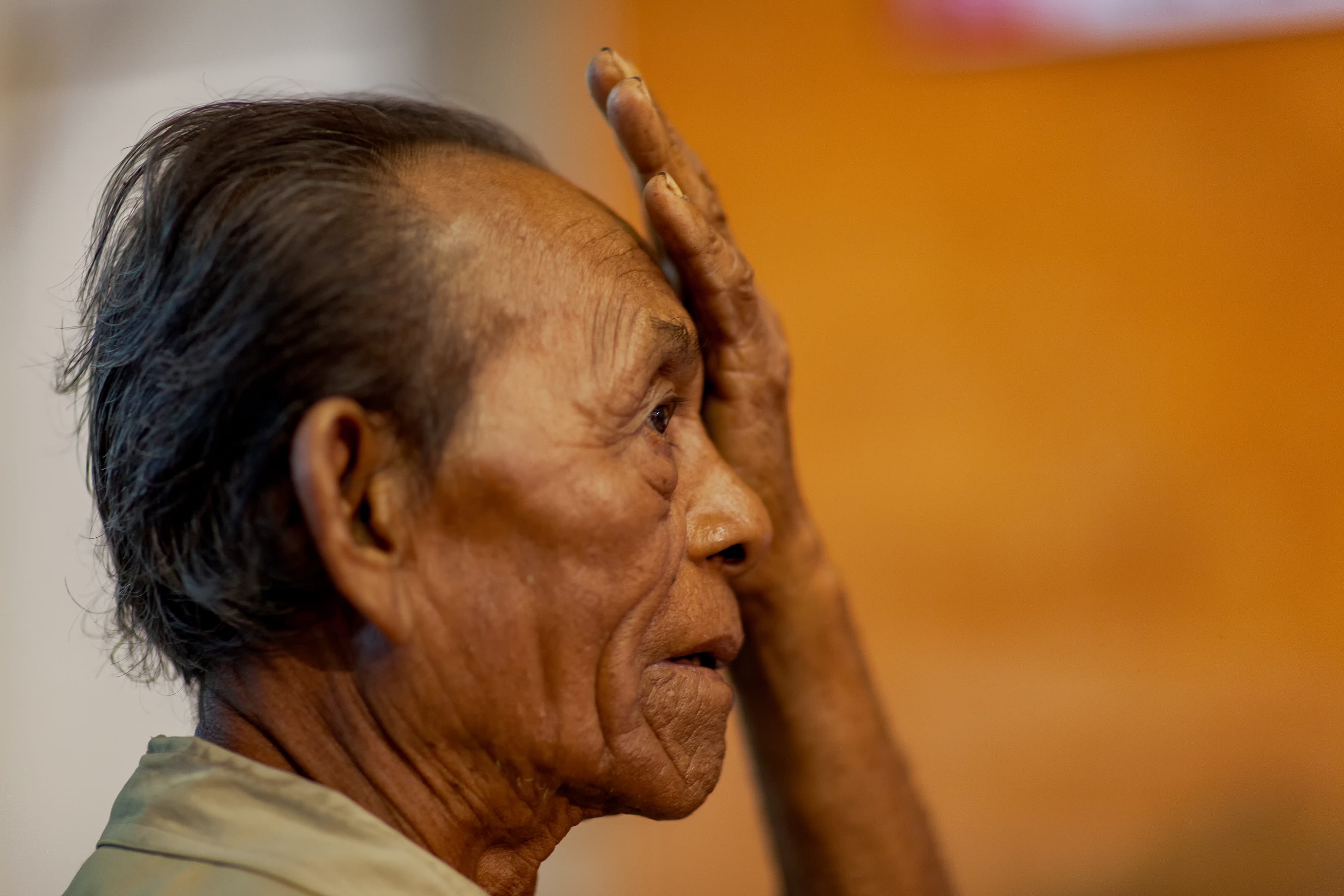
In Indonesia, an Australian not-for-profit has restored sight to almost 4,000 cataract sufferers in 2025. The John Fawcett Foundation has also provided free eye health screening to 39,000 Indonesians this year.
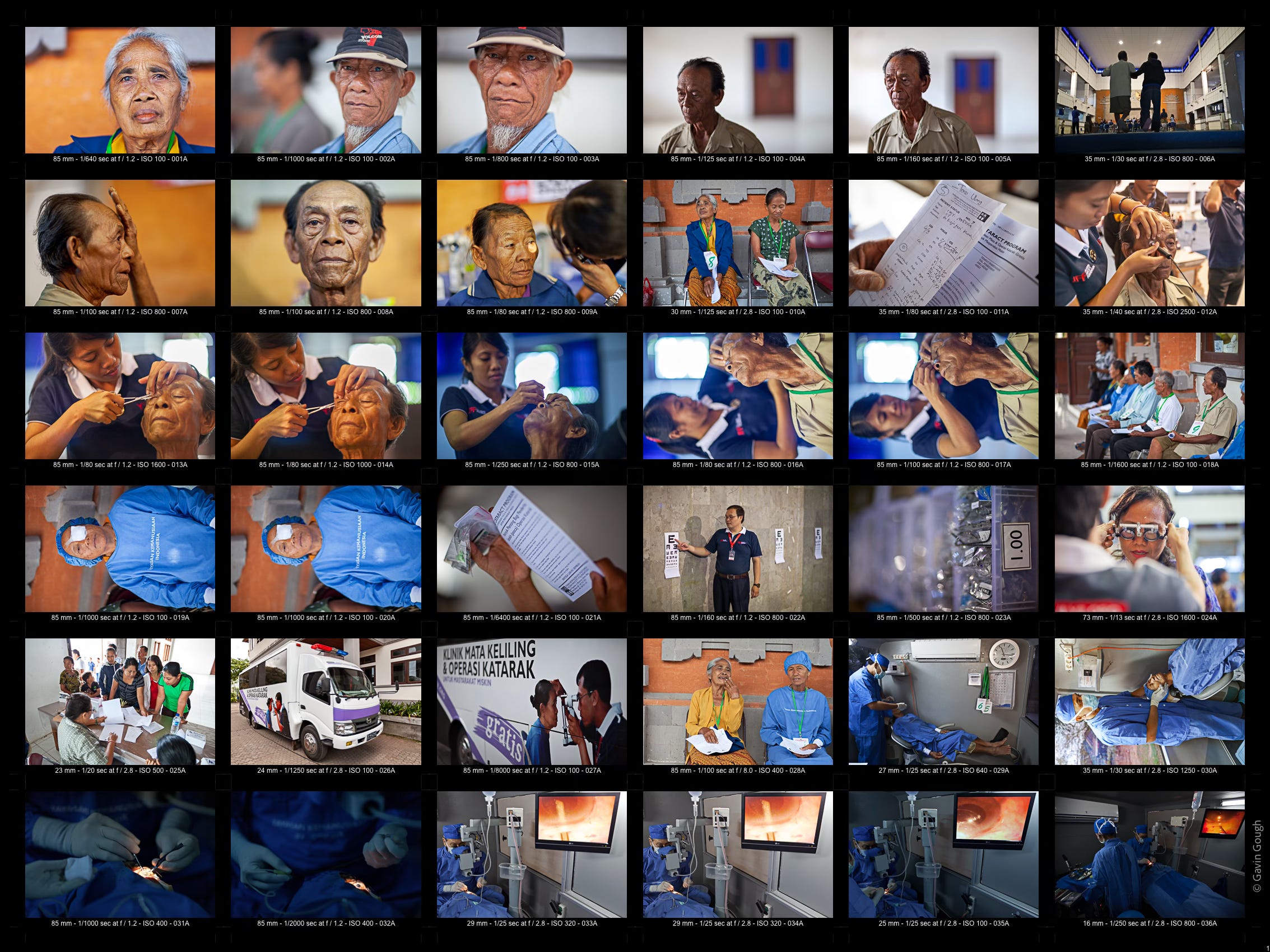
In this edition I share some of the photos made when I had an opportunity to join a mobile screening and treatment programme.
A Winter’s Tale
Many years ago – in a different millennium, in fact – at the very start of my photographic career, I joined a group of wizened old photojournalists in a snow-covered Cornish pub for what was advertised as the monthly meeting of a Photographers’ Alliance.
There were 6 photographers in the group, plus me, lucky number 7.
Fresh-faced and eager to learn, I arrived with a long list of questions. I quickly learned that the unspoken ratio of answers to drinks from the bar was 3:1. By the time three of my questions had been answered, all pint glasses had been emptied and it was my round again.
My money ran out long before my questions.
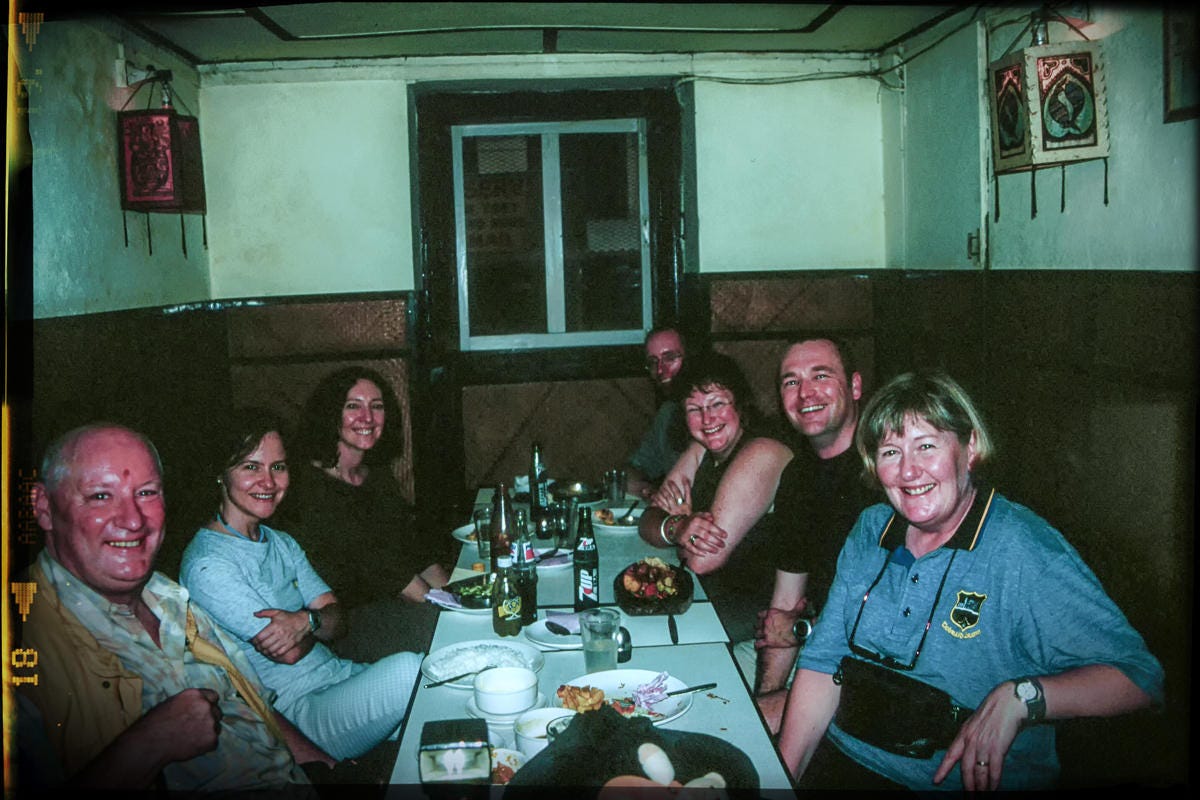
Looking back, I see that the advice I gleaned in that pub has proved to be worth every penny. I’ve been thinking about one piece of advice which has possibly opened more doors for me than any other. It’s the simple but effective piggy-back assignment strategy.
Like all the most effective strategies, it’s beautifully simple but ever so productive.
The Piggy-back Assignment
This is how it works: A client with a reasonable budget assigns a photographer to complete an assignment on location. Perhaps it’s a well-known magazine or a global brand, they want images to accompany a long-form article or to promote a product launch.
The assignment includes several days on location. Travel and accommodation expenses are covered and the photographer is paid an appropriate daily rate. Local guides, drivers and translators are employed, models may be booked, along with make-up artists and stylists.
Locations are chosen, a schedule is prepared. Hopefully, everything comes together as planned; the images are made; the Art Director signs off and everybody heads home to prepare for their next project.
But, almost invariably, there will also be NGO projects in the neighbourhood, regardless of where in the world the assignment takes place. It might be a large educational programme run by a global charity, a clean water installation funded by a regional NGO, or maybe a simple renovation project run by local community volunteers.
These projects aren’t blessed with the same deep pockets as the global fashion brands and glossy magazine titles. There’s probably very little in their budget for promotion and marketing. Every penny has to be accounted for and a photographer’s typical daily rate is a luxury that most would struggle to justify.
In my experience, they welcome an offer to piggy-back with enthusiasm.
Vanity Fair in Indonesia
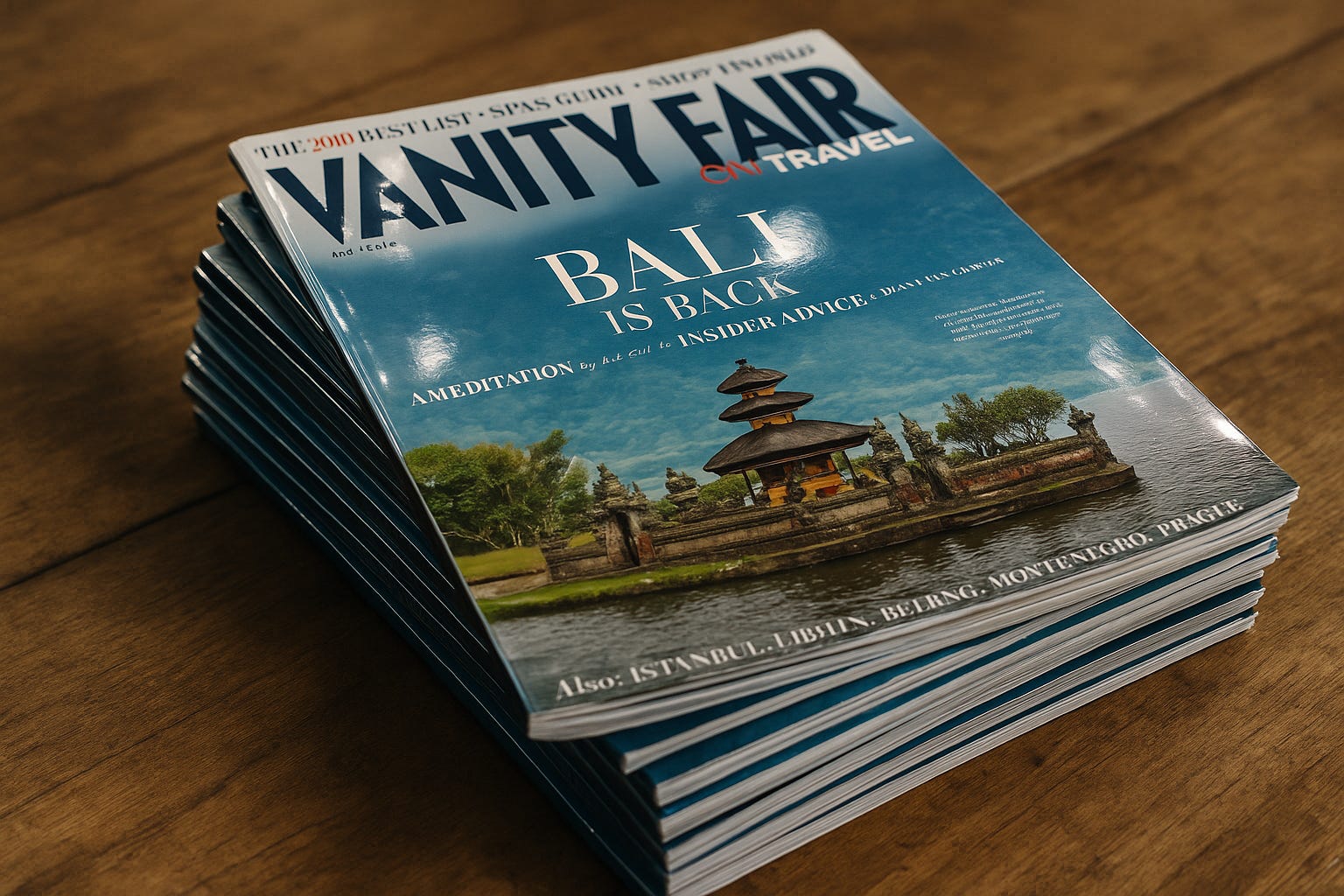
This is an example of how it worked when I was assigned by Vanity Fair to make a series of images in Indonesia for the magazine’s annual travel supplement. Once the brief was set and the booking confirmed, I contacted the John Fawcett Foundation, whose work I was familiar with, and asked if they could use me for a day - with no fee or expenses.
It’s very much a win-win for all concerned. I always ask the paying client if they’re willing to cover an extra day’s expenses so that I can offer some pro-bono time to an NGO. So far no clients have rejected the suggestion. The client can enjoy a sense that they’re contributing to something worthwhile, the NGO gets a self-sufficient pro photographer for a day or two, and I get to discover a project that I might otherwise never have seen – and where I’ll invariably meet impressive people engaged in fascinating work.
Some self-imposed rules for piggy-back assignments
I always let the paying client know what I’m planning and invite them to contribute as a partner.
I make sure that the paying client knows that their job will always be my main priority. It’s not uncommon to book additional days on location to allow for unforeseen delays. I’ll sometimes suggest that these days be given over to pro-bono work if all has gone to plan.
Once I’ve started work, I treat the pro-bono project exactly the same as a paid assignment, giving it the same level of attention and care.
I retain copyright on my images – which I always do whether I’m being paid or not – but give processed image files to the NGO with an exclusive, unrestricted, royalty-free license so they’re free to use photos in marketing material, websites, emails and other promotional materials.
I do my best to ensure that my offer doesn’t make additional demands on the NGO. If I need a driver or translator, I’ll hire one rather than take a staff member away from their work.
John Fawcett Foundation
Since 1991, the John Fawcett Foundation has been restoring the sight of people in disadvantaged communities in Indonesia.
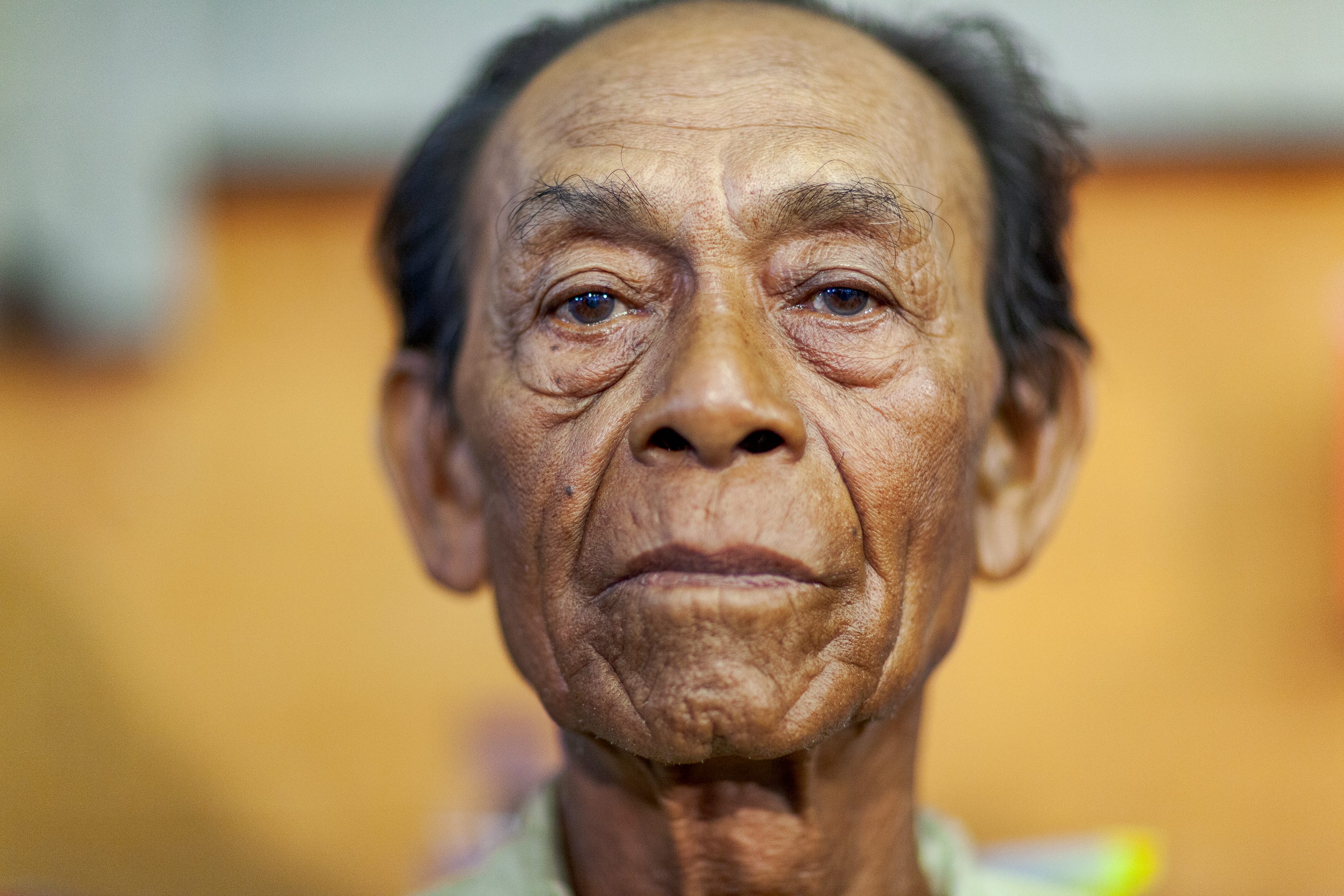
The NGO’s mobile eye clinic is able to reach remote islands, where residents have no access to ophthalmic services. During a typical two-day visit, up to 500 people can be screened, spectacles are provided to more than 300, about 250 people will be treated for painful eye infections and a dozen or more cataract sufferers will have their sight restored.
It’s an impressive programme just on the numbers alone. Seeing it first-hand was an extraordinary experience.
The Mobile Eye Clinic

In my time with the JFF mobile clinic, medical staff were able to screen, treat, and perform cataract removal operations on more than a dozen elderly patients.
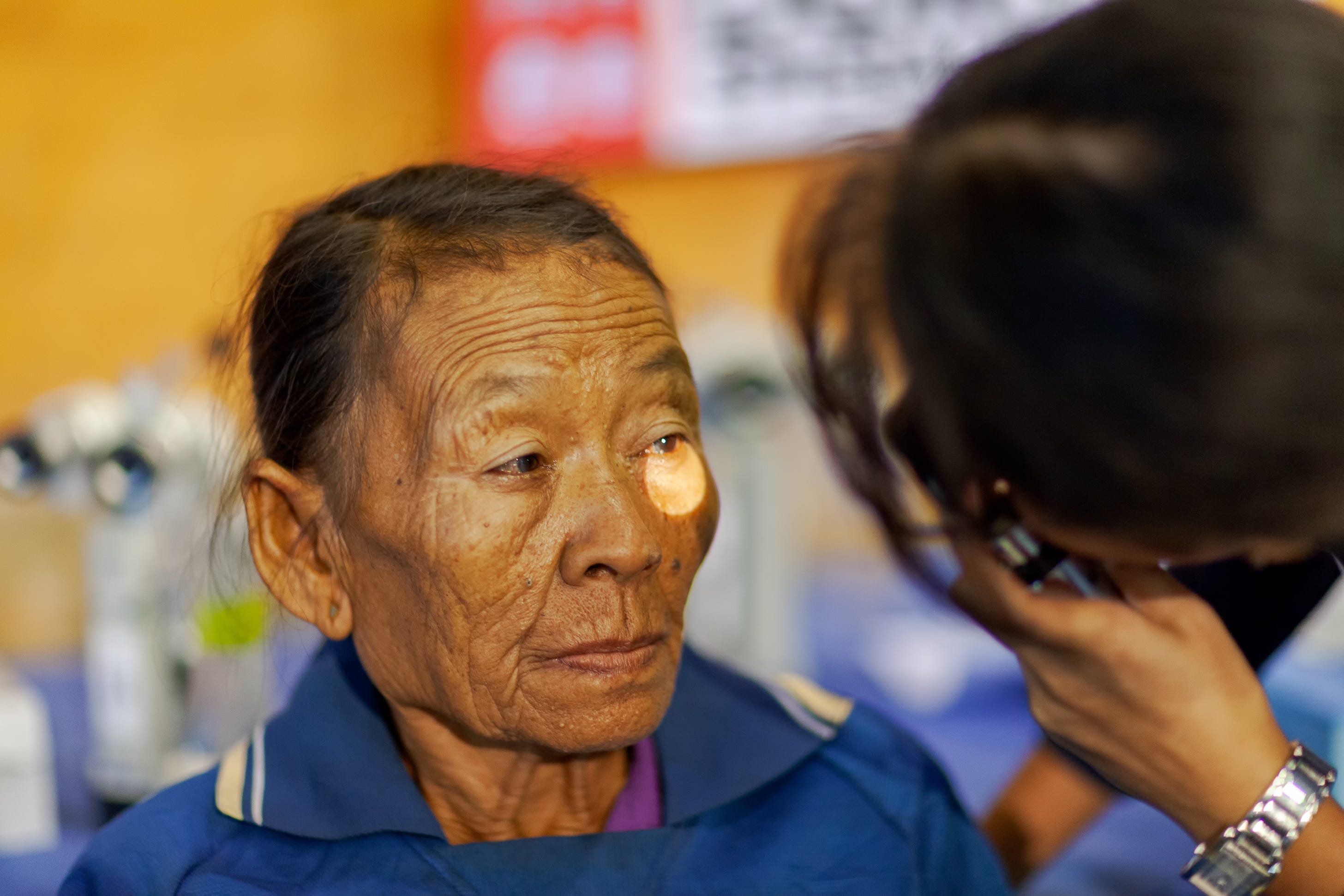
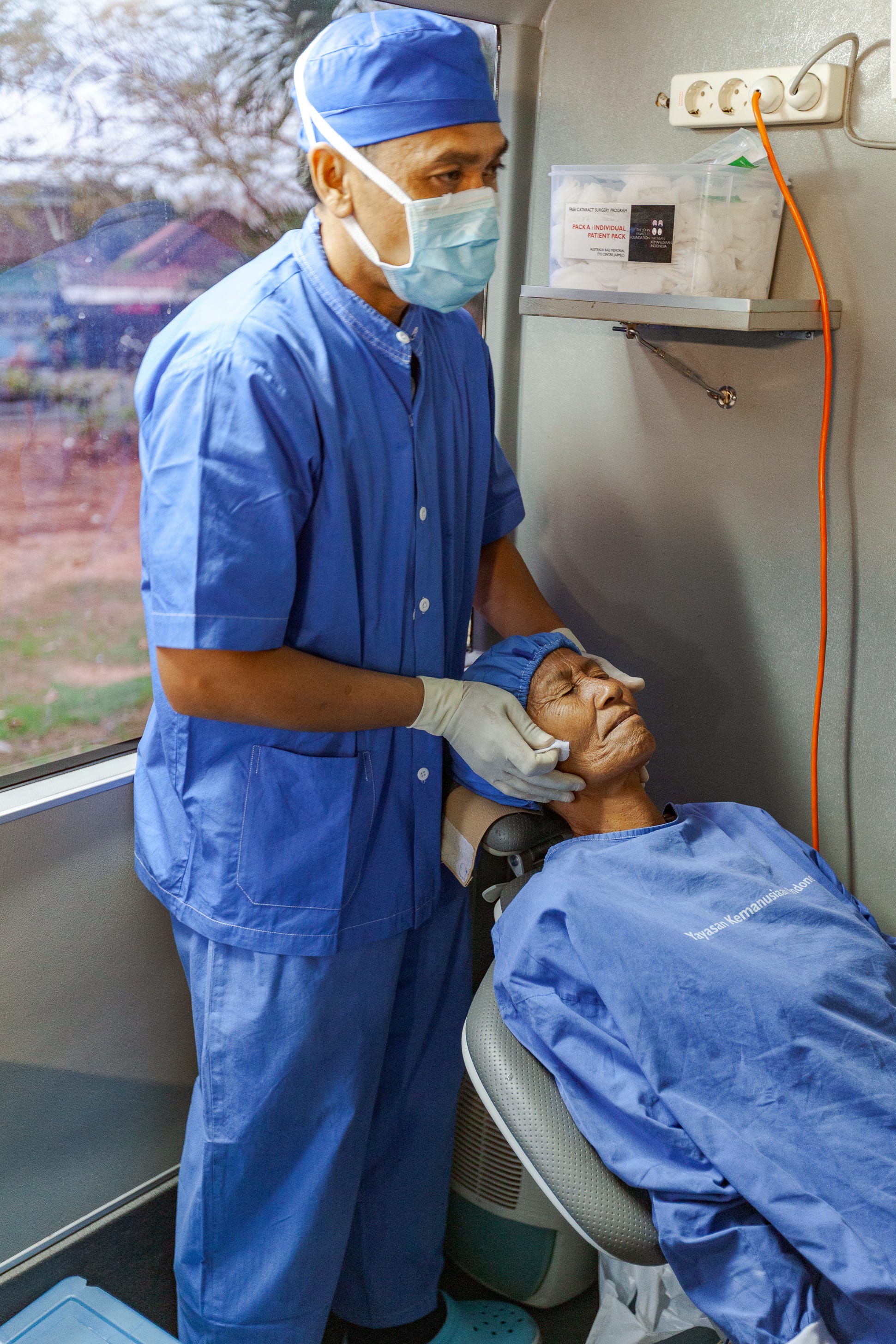
The procedure is quick but unhurried. To the surgeon who has performed literally thousands of cataract removals it might seem like another day at the office. To me, watching the magnified image of a patient’s eye on a TV screen, it was humbling.
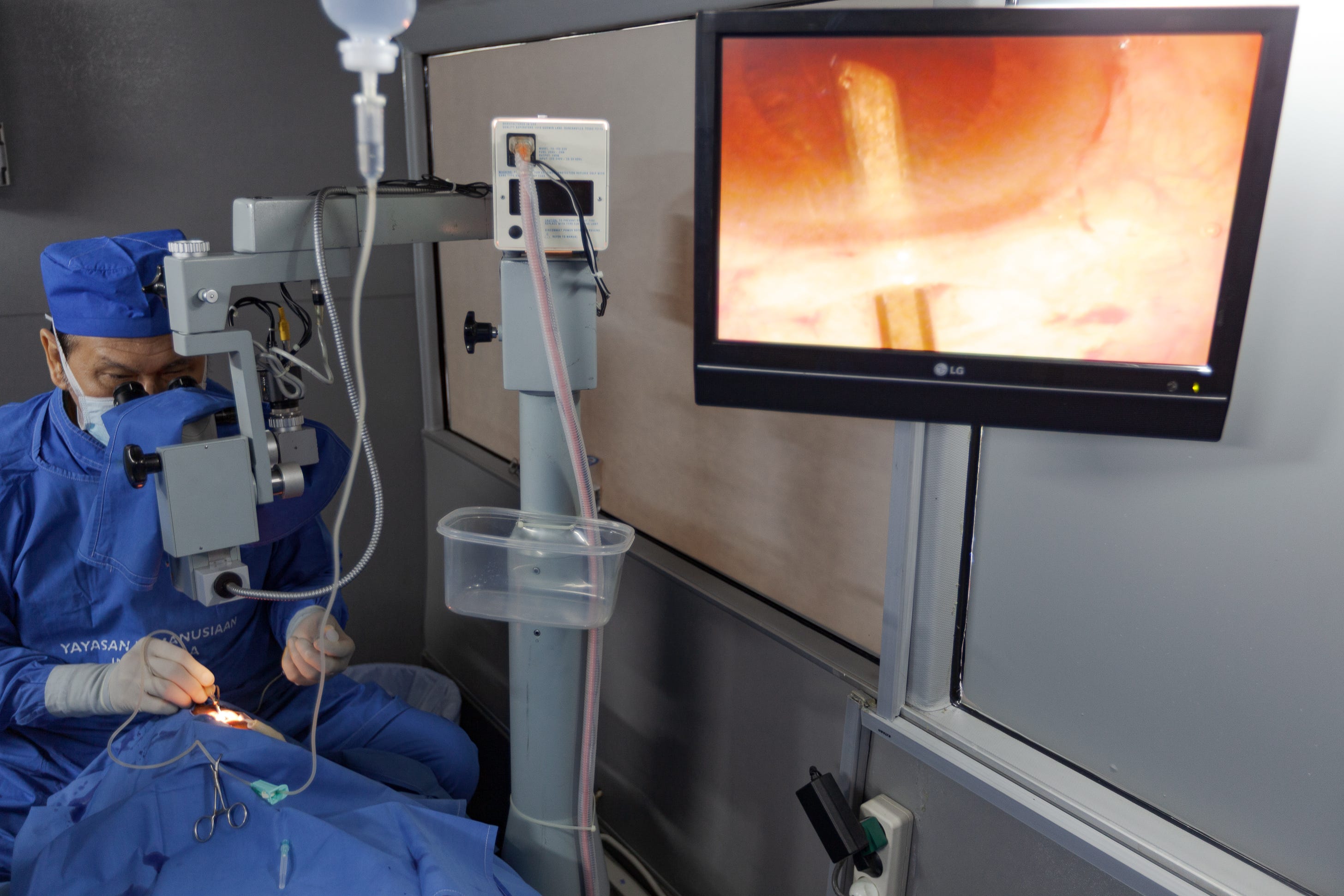
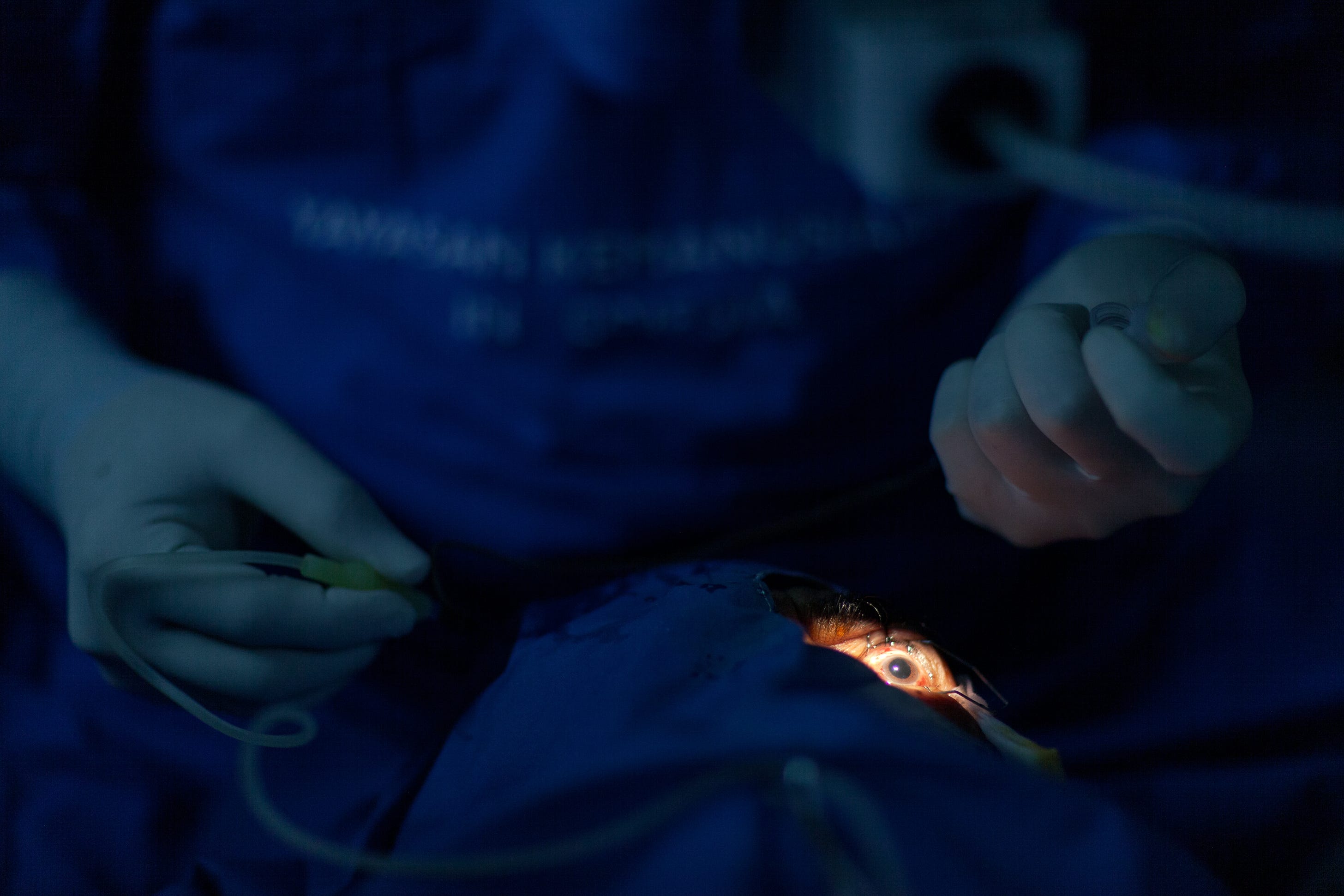
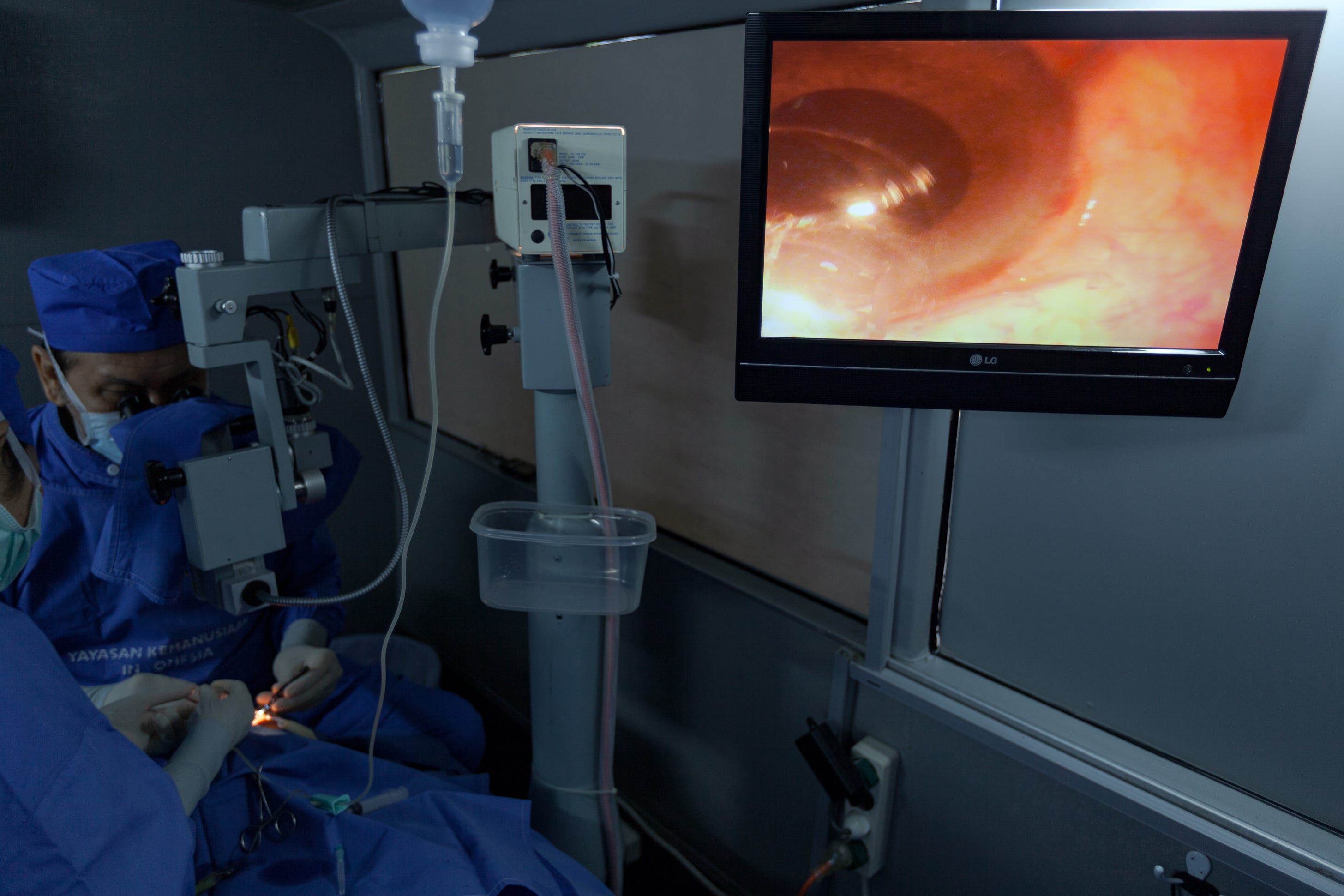
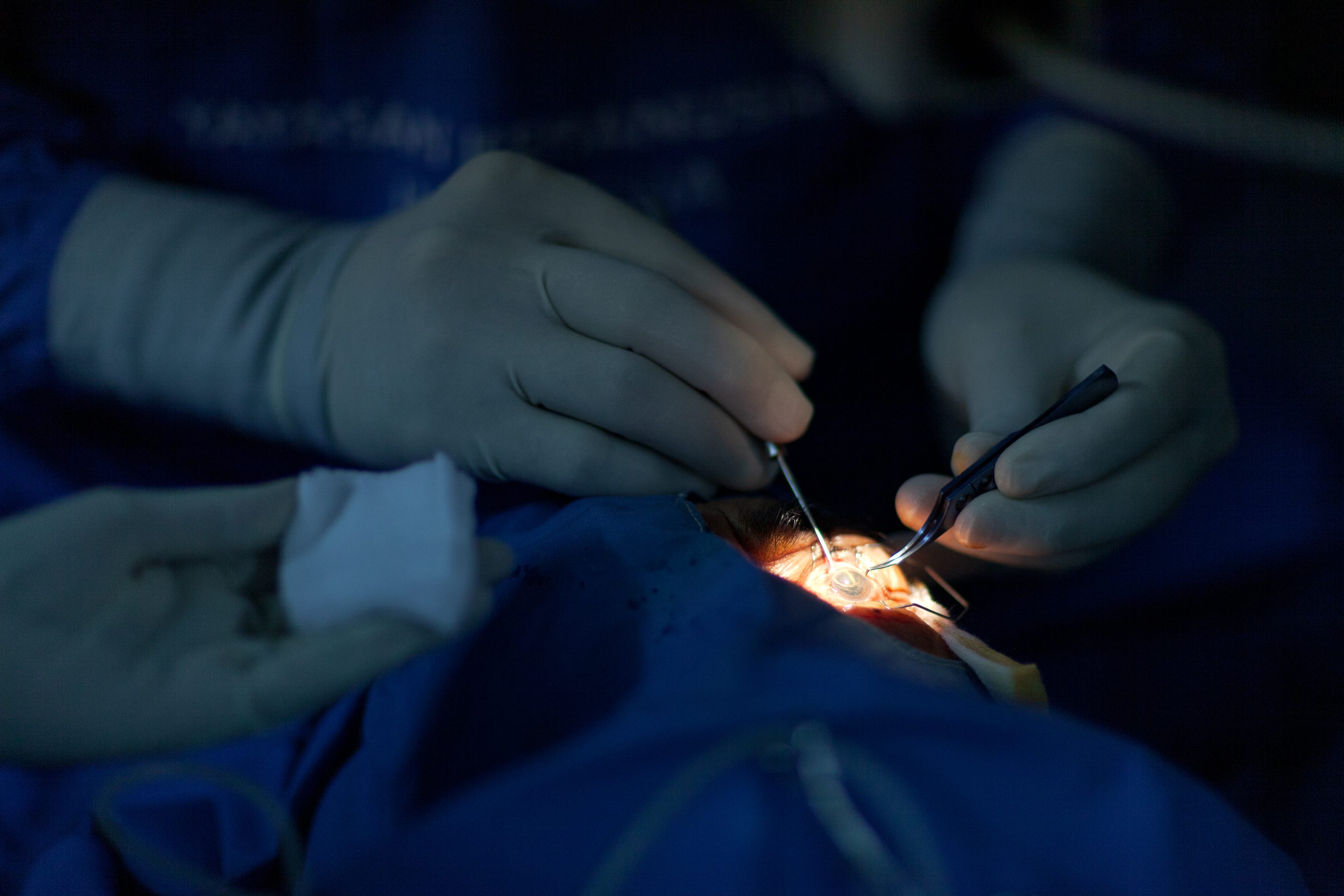
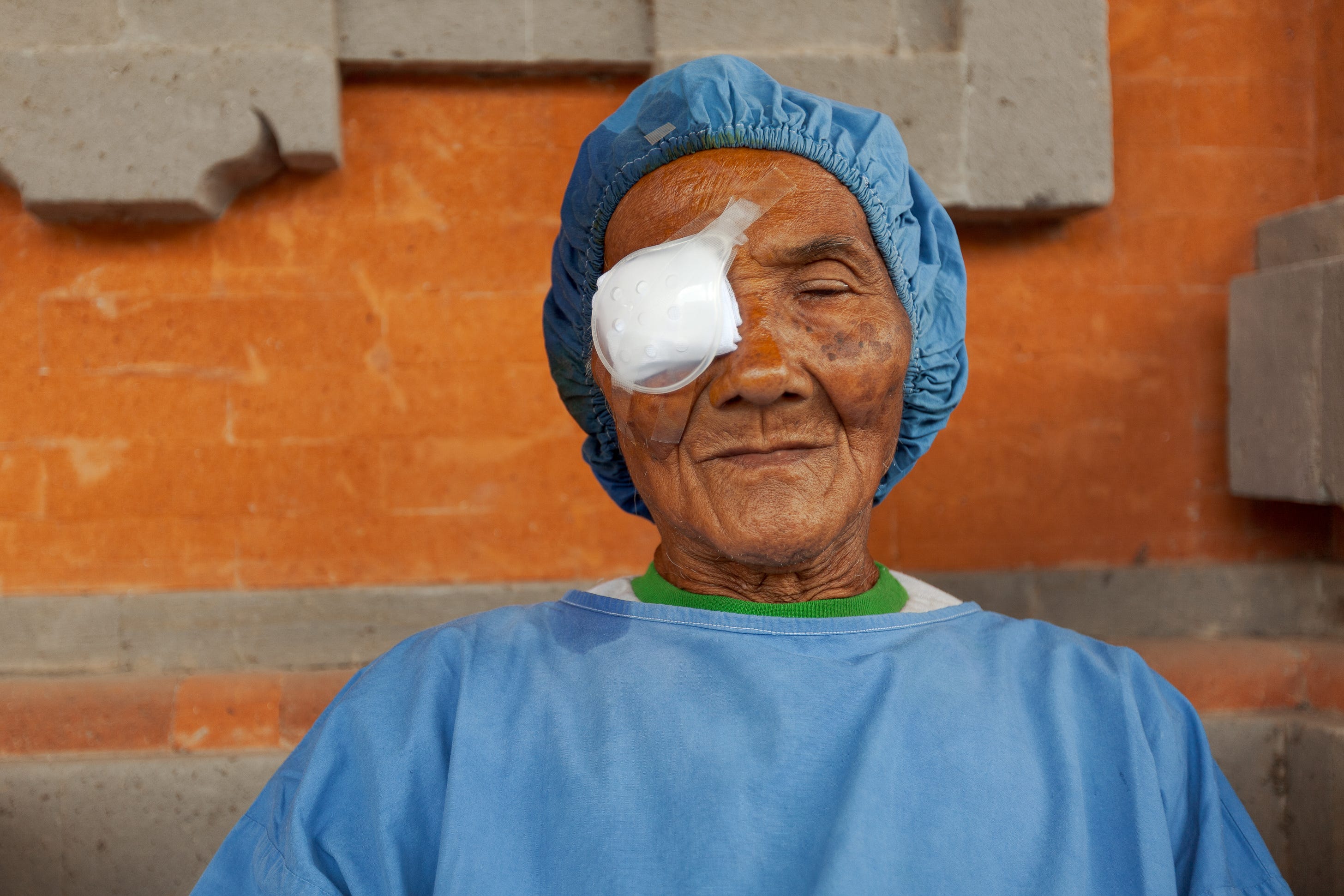
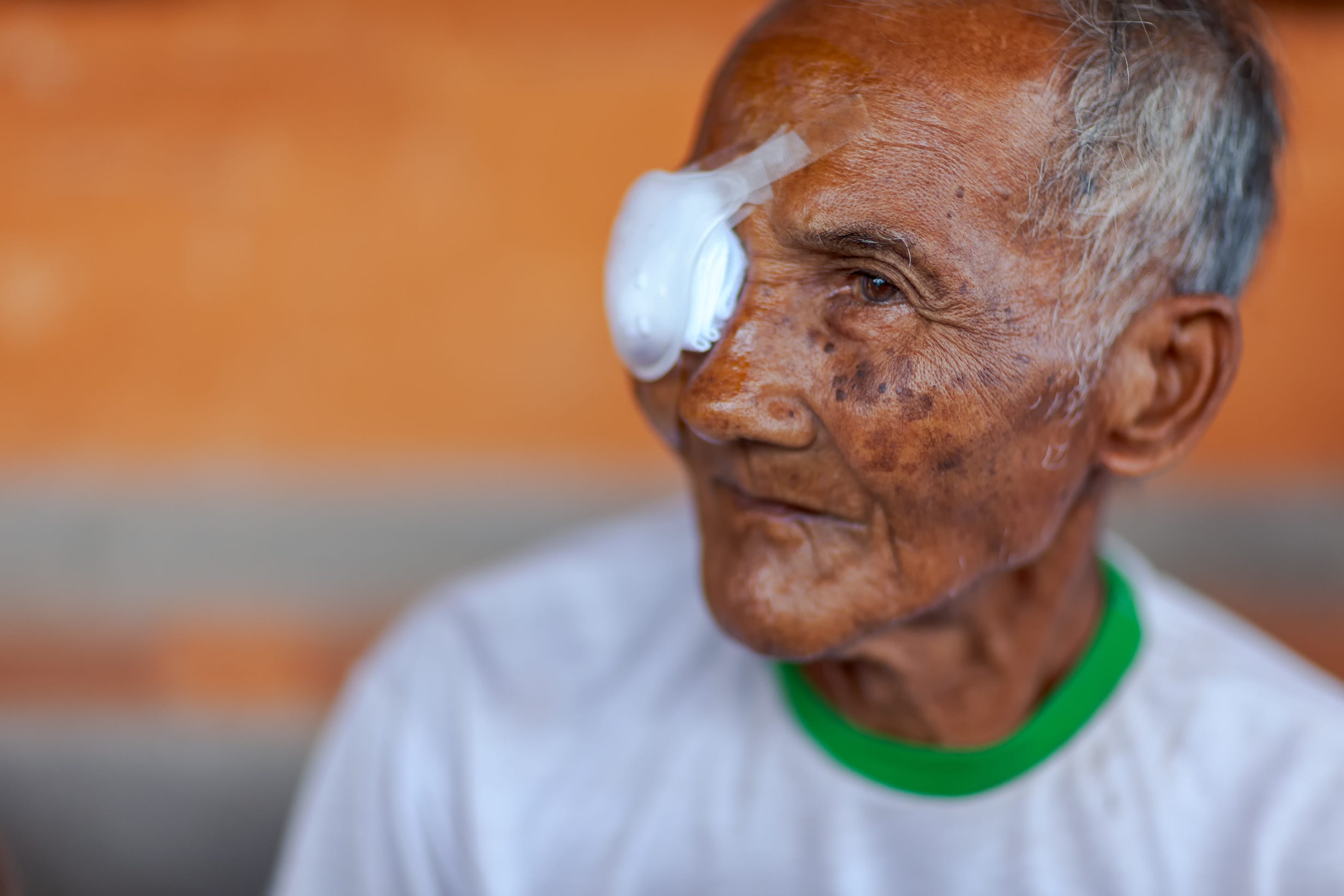
A precise incision is made, the cataract removed, a new lens inserted, and sutures are applied. After a few days the bandages are removed and grandparents will regain their sight. Several who’d previously had one eye treated described seeing their grandchildren for the first time. The tears in their eyes were not a result of the surgery.
Sponsorship
It costs about €1,400 (USD $1,660) for JFF to deploy a two-day screening and treatment programme. When you consider that ten people who are blinded by cataracts could have their sight restored, that’s incredibly good value for money. Not forgetting the hundreds who will be screened, receive free spectacles or receive treatment for infections.
If you are looking for a Christmas gift this holiday season and, like me, your imagination tends to run out after “socks?”, perhaps consider making a donation to JFF on behalf of your loved one. Posh chocolates will get eaten, fancy soaps are destined to go down the plug-hole, restoring a person’s sight seems like a pretty good alternative.
Reflection
The opportunity to witness the work of JFF staff was a wonderful privilege. I’m aware that I might never have found that opportunity without the generosity of a group of photographers in an English pub more than two decades ago.
They were willing to share their knowledge and experience with me, even knowing that I would soon be competing with them for the same work opportunities.
If I ever meet them again, I’ll gladly buy them another round of drinks.
While there is perhaps a province in which the photograph can tell us
nothing more than what we see with our own eyes,
there is another in which it proves to us
how little our eyes permit us to see.
– Dorothea Lange
Remembering Martin Parr (1952–2025)
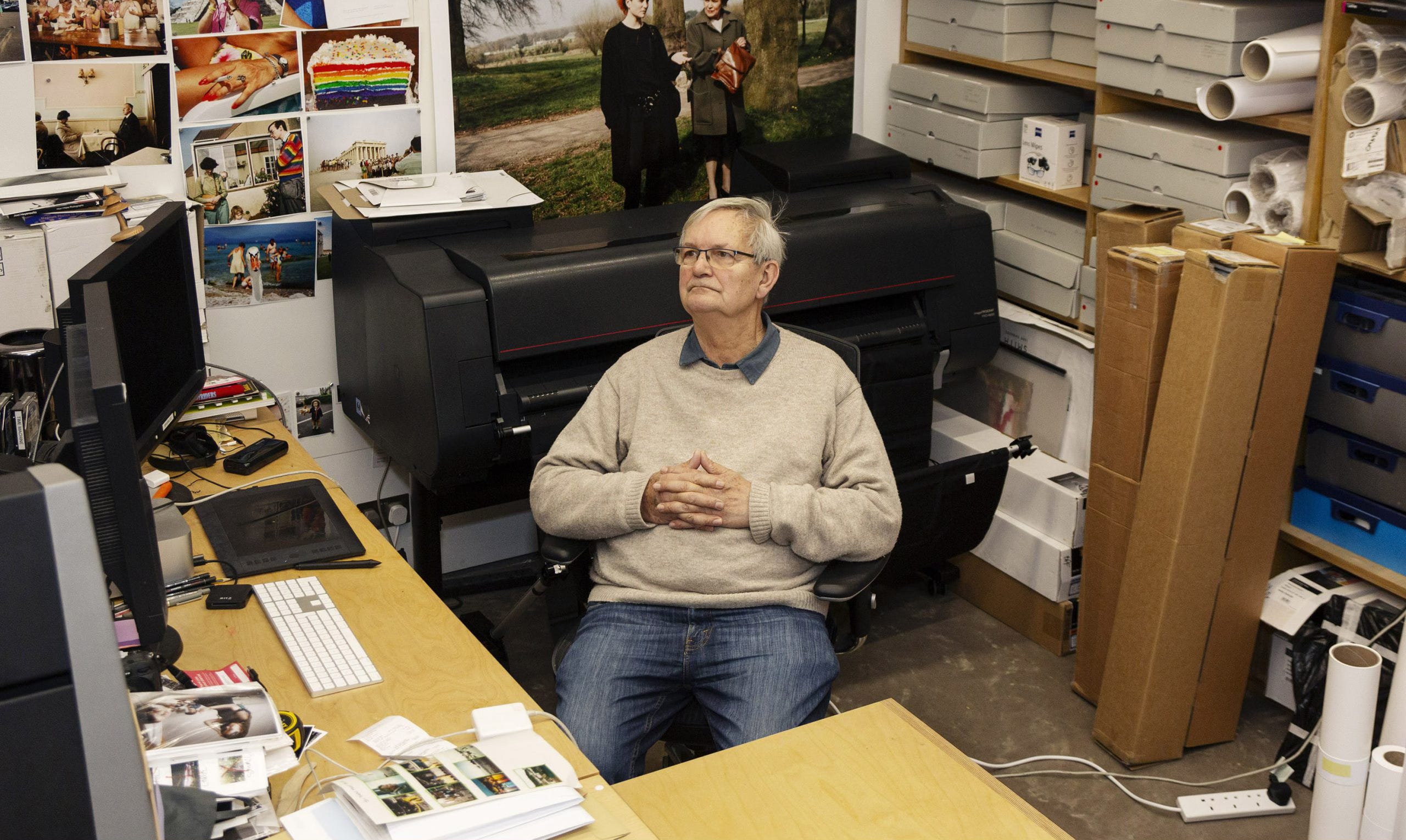
I was sorry to learn of the death of Martin Parr this week. Best known for his quirky, colour-soaked depictions of everyday life, particularly at the British seaside, his wry observations made the mundane mesmerising.
Beyond his sharply satirical eye, he was widely respected in the photographic community, particularly for establishing the Martin Parr Foundation and his championing of “emerging, established and overlooked photographers”.
This short video, made in association with the Tate, gives a sense of the man and his humble but sincere approach to photography.
Beyond the Frame Recommendations
Articles, documentaries, exhibitions, podcasts and more.
This week’s recommendations all feature Martin Parr. Whether you’re encountering his work for the first time or returning to familiar images, there’s much to appreciate.
☆ Read

The Magnum Photo Agency, where Martin Parr once served as President, have compiled a touching tribute and reflection upon his life and work. Obituaries in the New York Times and The Guardian are also characteristically affectionate.
◉ Listen
Martin Parr’s Desert Island Pics

In 2013, inspired by the BBC’s long-running radio show, Desert Island Discs, Martin Parr discussed some of his favourite images within the context of his life and career.
I was interested to find this seven minute clip, given my admiration for Desert Island Discs, but I haven’t been able to find a video or the full audio interview.
And so, a challenge for you:
Can you identify the image Martin Parr is discussing in this short section?
If you discover the full interview, will you let me know? I’ve written to the nice people at Photoworks and will share whatever they can point me to.
▶︎ Watch
Martin Parr – My Life in (Motion) Picture

Martin Parr’s images of British seaside holidaymakers are, perhaps, gently mocking, but made with an affectionate gaze. Whilst Parr had a loyal following in his home country, he also found an appreciative audience in France, where the opportunity to titter at eccentric Brits is always met with relish – or perhaps a chutney d’oignon?
Here he is in 2015, giving a talk at and sharing stories at the Les Rencontres d’Arles photo festival.
❖ See
Martin Parr – Arles Media Library

Also from Les Rencontres d’Arles, here’s a collection of short interviews made at the festival between 2011 and 2015.
Parr’s collaboration with musician Matthieu Chedid is an especially interesting demonstration of how music plus images can create something greater than the sum of the parts.
✤ Create
A series of creative prompts, inspired by Brian Eno’s Oblique Strategies, and designed with photographers in mind.
Read more about the concept and learn how to use my Oblique Strategies for Photographers.
And finally…
If time permits, I hope to compile a “Best of 2025” list before Christmas (Spoiler: highly unlikely). Best Documentary, Best Album, Best Photographic Moment, that sort of thing.
But in case I don’t find the time (Spoiler: see above), I really must recommend a film that I saw this week.
I Swear is closely based on the life of John Davidson, a campaigner and advocate for people with Tourette syndrome.
I don’t recall seeing a better film this year.

Robert Aramayo is a brilliant, believable lead – and a long way from his roles in Game of Thrones and Lord of the Rings.
You might not know British actors Maxine Peake, Shirley Henderson and Peter Mullan but they’re all exceptional in this film.
I’d happily watch Maxine Peake read a phone book for 90 minutes so I was already a fan. Whoever’s responsible for casting these roles deserves an Oscar nomination.
I Swear is available on Apple TV and Amazon Prime and I really hope it finds a large audience. Films like this deserve to be widely seen.
Speaking of being widely seen, do me a favour before you go? If you have a friend or colleague who might appreciate Beyond the Frame, would you share a link? I’m trying to reach 12,000 subscribers before the end of the year. Thank you.
Until next time, go well.

Directory: Beyond the Frame newsletter archive.
Resources: Recommended books, films, gear, media etc.
Beyond the Frame 78/

A creative photography exercise in New York City. Time’s Top 100 Photos of 2025. Plus recommendations for informative and inspiring things to read, see, and hear.
Another excellent post. Love the idea of the piggy back strategy - something I will be trying in the future. Thank you.