

Nepal by candlelight
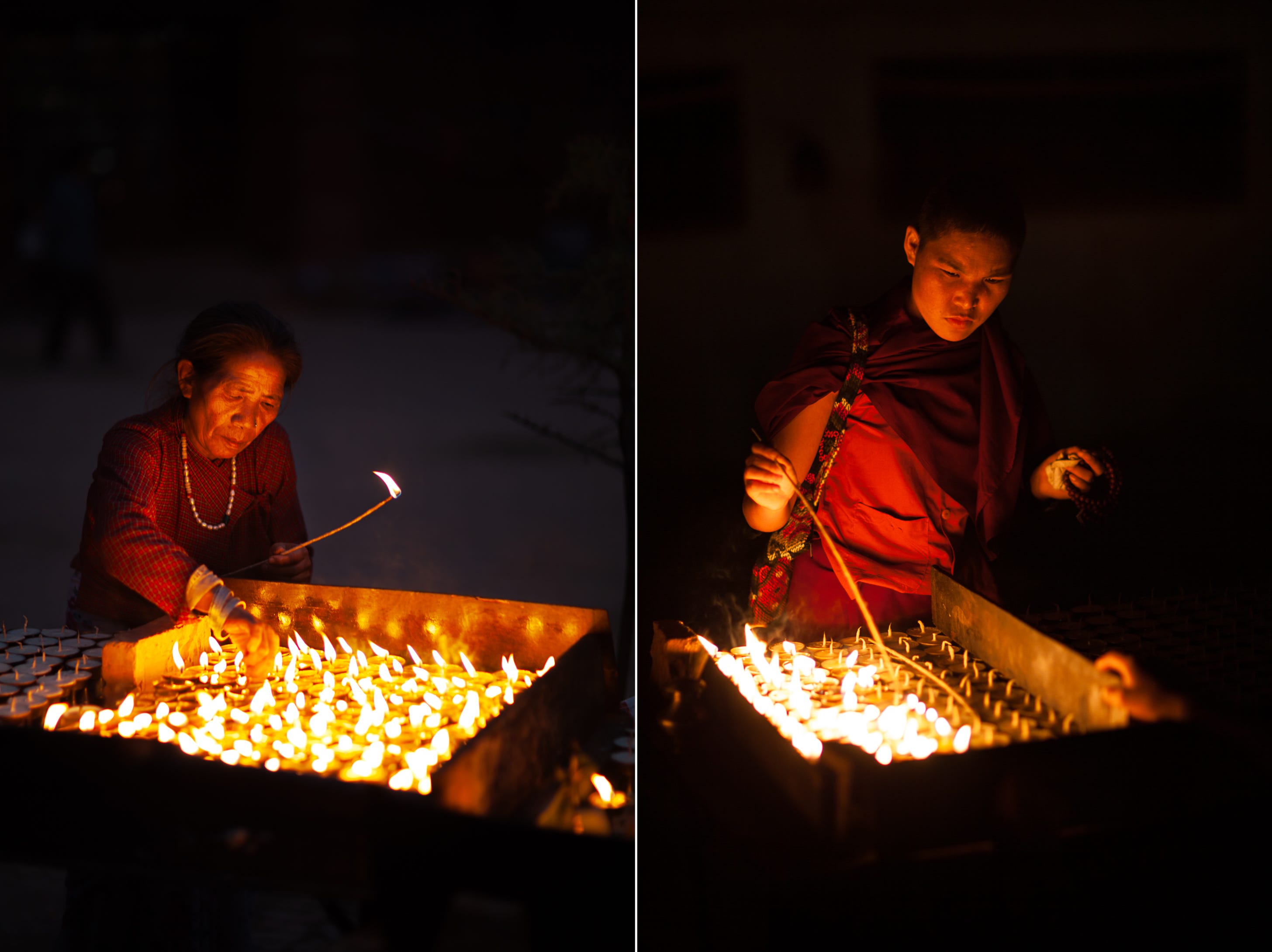
The square around the giant Boudhanath stupa near Kathmandu is filled with Buddhist devotees. As the blue hour sky slowly fades to black the square glows with the light from a hundred thousand candles. The smell of melting butter and incense rises in the cool air. People move through the light and shadow, their faces lit briefly in an amber glow before dissolving back into the dark.
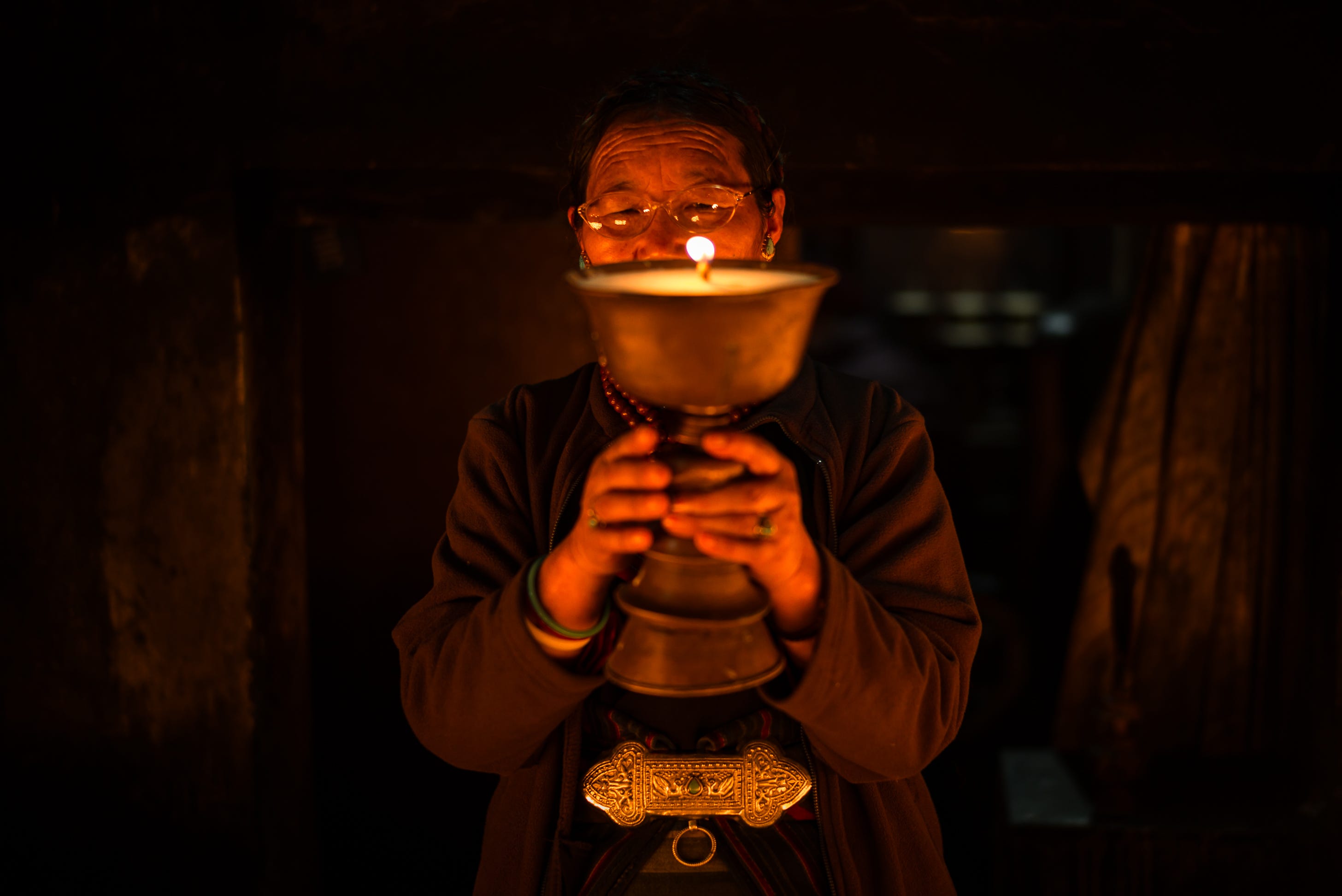
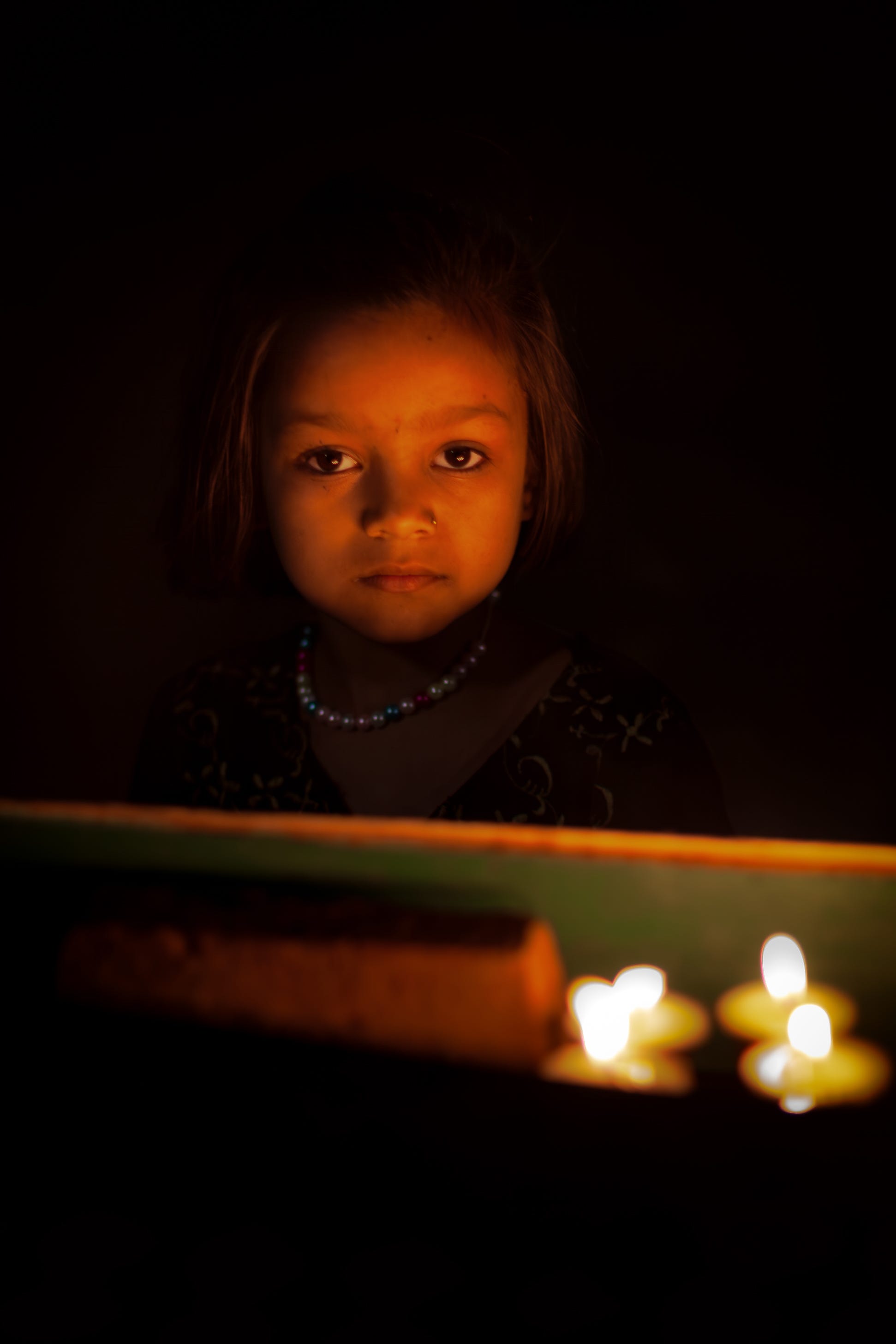
A woman carries a large butter lamp towards a shrine, a girl watches the flickering flames with an expression of absolute stillness, a novice monk carefully lights row after row of candles. Candlelit acts of devotion are quiet, thoughtful, methodical, never a performance.
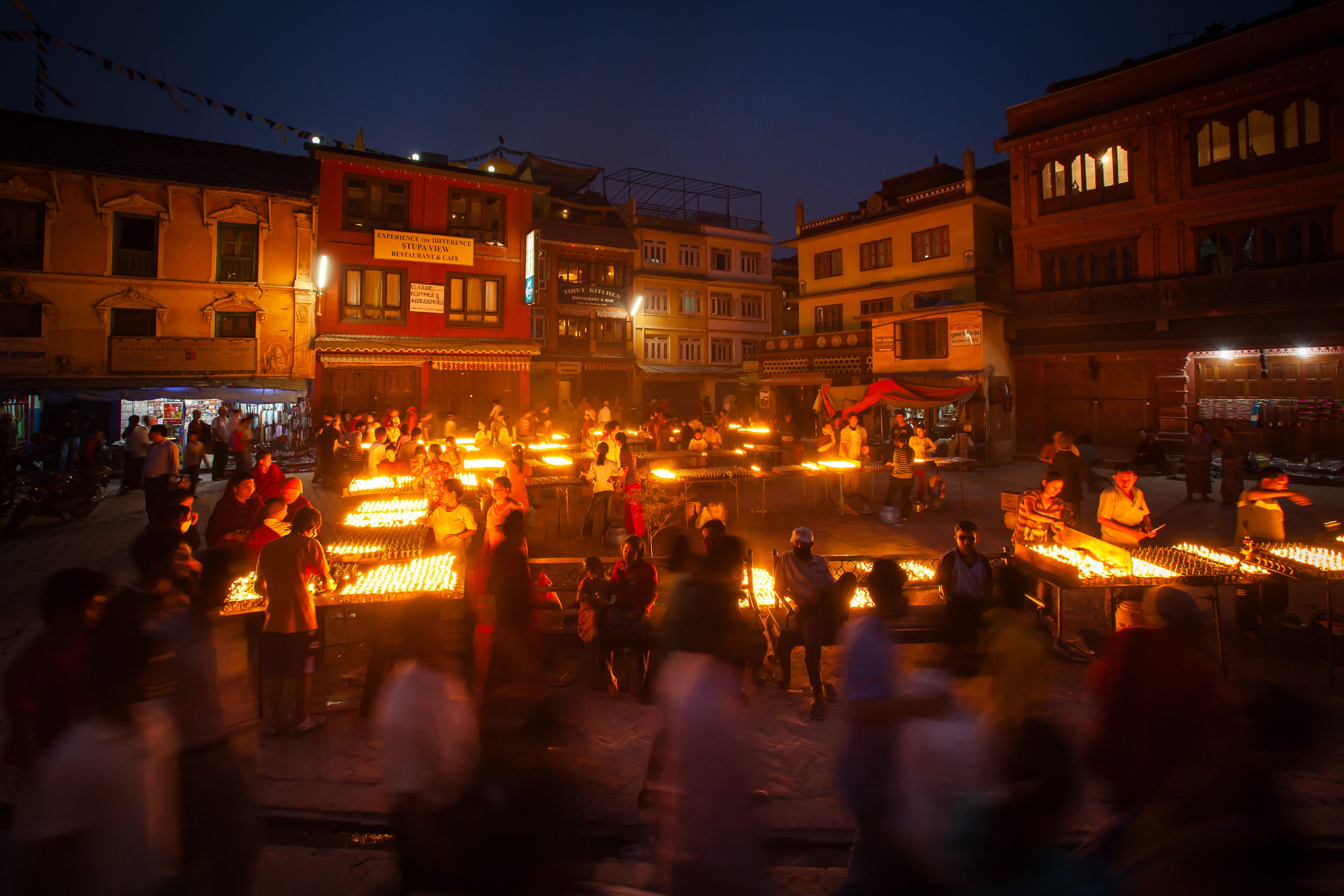
Photographing by candlelight requires a different kind of attention. The light is a living thing, always dancing – not the consistent, predictable sunlight that shines on the stupa during the day. Making photos in this light requires the same kind of thoughtful attention shown by the devotees. It’s a peaceful, meditative way of working. The process slows, the movement of people and light has to be anticipated and each click of the shutter considered.
The challenge, and the pleasure, of working in such low light is that the camera is being asked to record something that the eye can handle effortlessly. Our eyes naturally adapt to a wide dynamic range, camera sensors need assistance. Managing that gap – between what is visible and what the camera records – is where interesting technical decisions are made. The dynamic range between candle flames and shadows is often too great for a sensor to capture. The ‘correct’ exposure is rarely the one the camera suggests if left on ‘Auto’ mode. Getting it right means taking control.
Automatic v Manual exposure
Scenes like the ones found around Boudha stupa at night benefit from manual exposure settings. Wide apertures, ƒ1.2 or ƒ2.8 if possible, will allow the most light into the camera. Shutter speeds are relatively slow, 1/100th or 1/60th, but fast enough to reduce motion blur. Then the ISO level can be moved up or down to balance exposures, leaving the aperture and shutter speed fixed.
However, it is possible to work on Auto or Aperture Priority modes if necessary by setting an exposure compensation value. I’ve found that a setting of -1⅓ seems to be the sweet spot for balancing out most cameras’ auto modes – assuming the camera is metering light from the whole scene.
It’s not perfect but for a quick and hassle-free approach, dialling the exposure compensation down by -1⅓ stops can produce more hits than misses.
Histogram
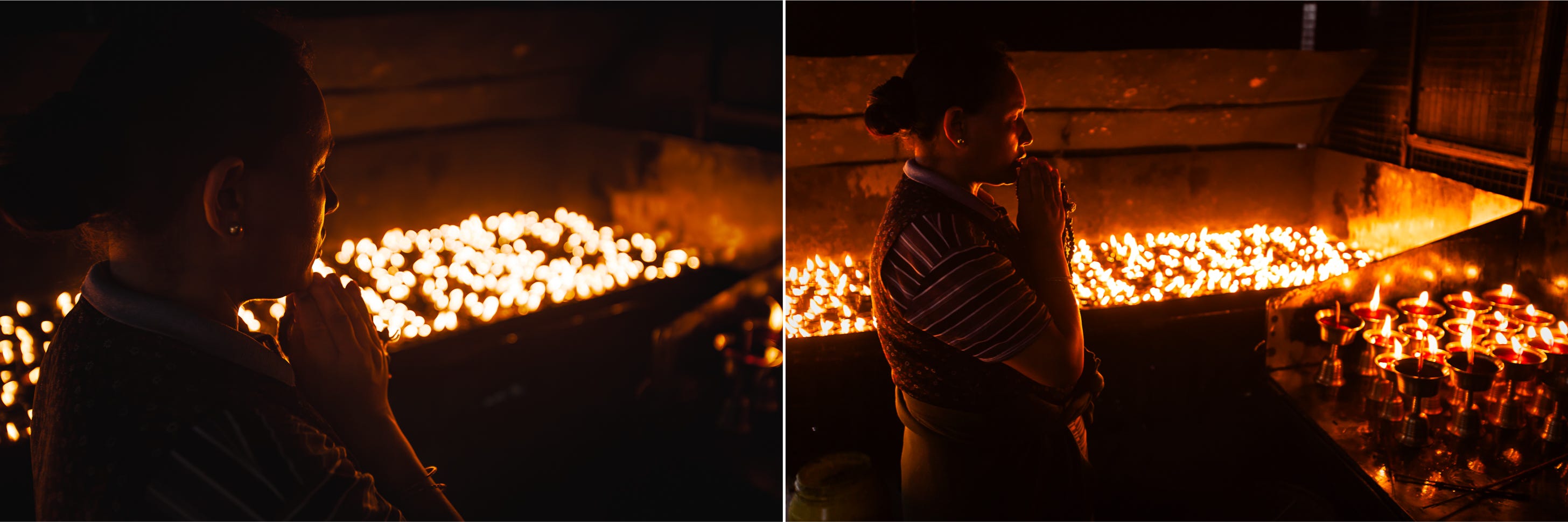
Working in changeable, low light is one situation where a histogram can be informative. Checking the histogram graph in a camera’s LCD screen will reveal where the shadow and highlight information is residing. Black shadows will display a peak on the left-hand side, blown highlights will appear on the right.
But there’s no right or wrong. A histogram can only confirm if the camera has recorded what you wanted. For a silhouette, shadows will be black or near-black. Candle flames are almost inevitably blown out. Even the most sophisticated camera can’t record the full dynamic range in scenes like this.
That’s really the pleasure of photographing low-light scenes. The creative decisions are in the hands of the photographer. We don’t often find the same opportunities in well-lit, daytime scenes.


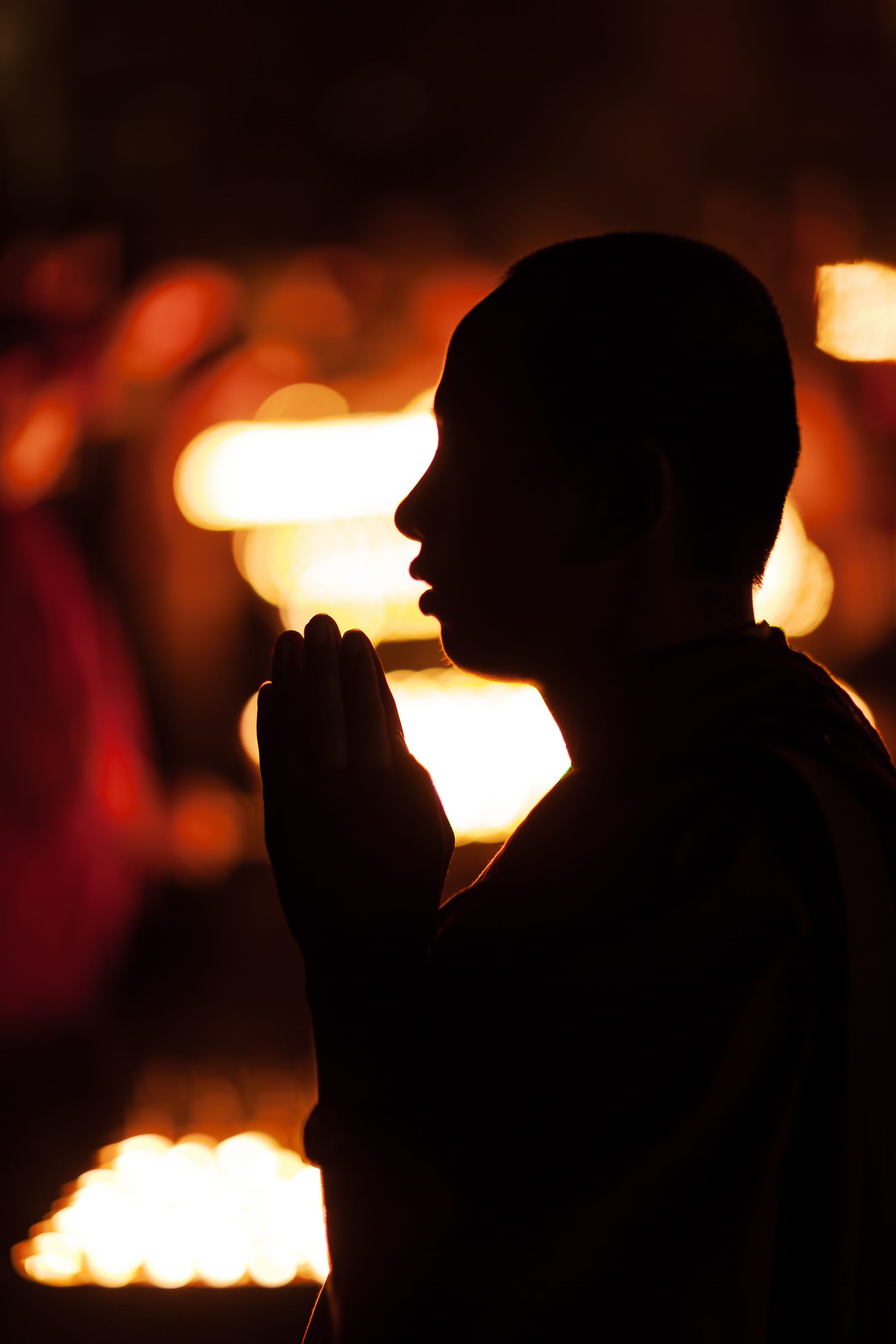
Some locations offer themselves to the camera generously. Boudhanath at night is one. The candlelight glow is warm, always shifting, and not diluted by artificial street lights. A photographer’s job is to get out of its way.
Whatever the photographic outcome, the real pleasure is simply being there, at that hour, in that light, amongst people for whom this is not a spectacle but a quiet act of devotion.

Remembering Raghu Rai
One of the great documentary photographers of the twentieth century died in April. Raghu Rai was 83.
He leaves an impressive legacy: six decades of work, more than eighteen books and a body of work that tracked the life of a nation with a depth that few photographers have managed elsewhere.
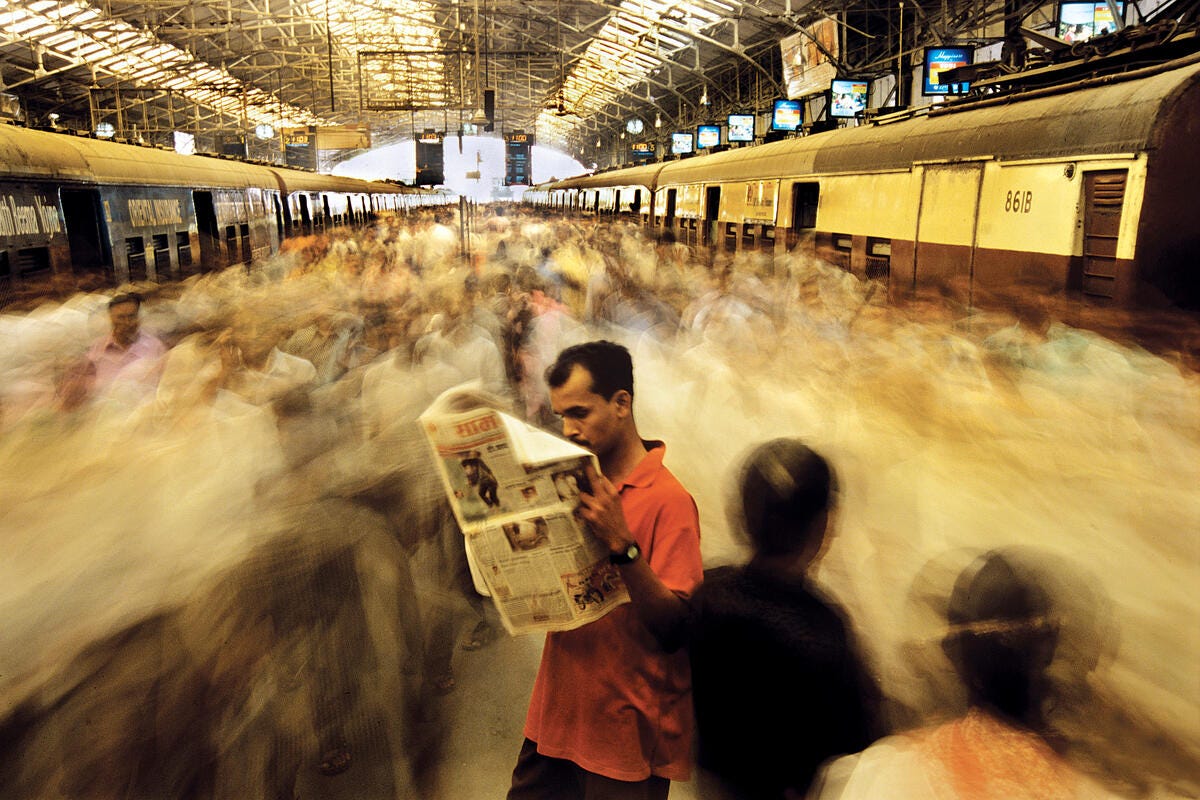
Rai became a photographer almost by accident. Born in 1942 in a small village in what is now Pakistan, he was working as a civil engineer when he borrowed a camera from his brother during a trip to Delhi. One of his first photographs was of a baby donkey.
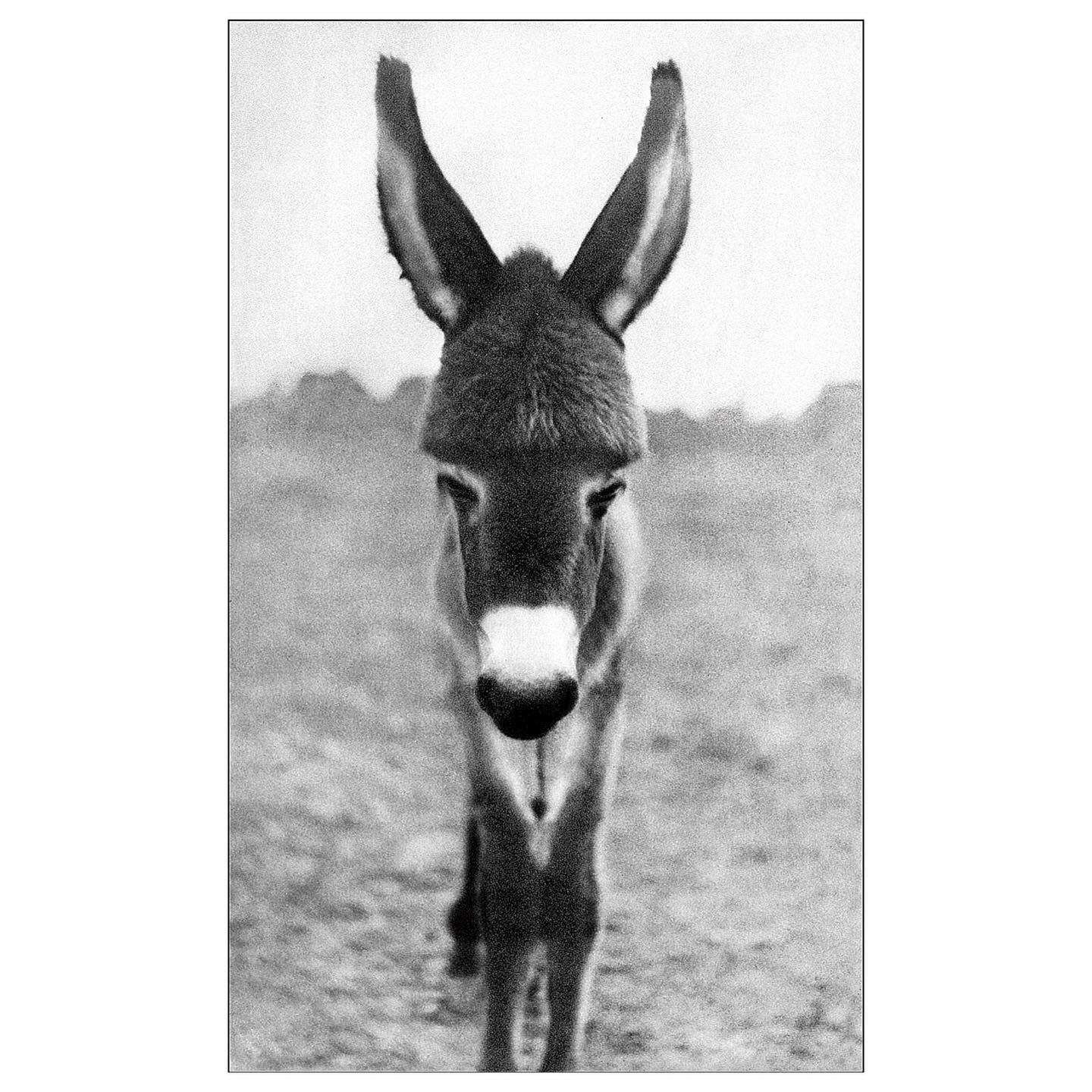
“When the film was processed, my brother saw it and said: ‘Oh, very good picture.’ So he took the picture and sent it to The Times, London. They used to carry a weekend picture, half page, of something funny, something strange, something unique. So my first picture was published in The Times.”
– Raghu Rai
His brother’s small act of generosity changed the trajectory of Rai’s life, revealing his vocation. As Rai explained in a 2018 TEDx talk, “Photography is not my profession. Photography is my dharma, my religion.”
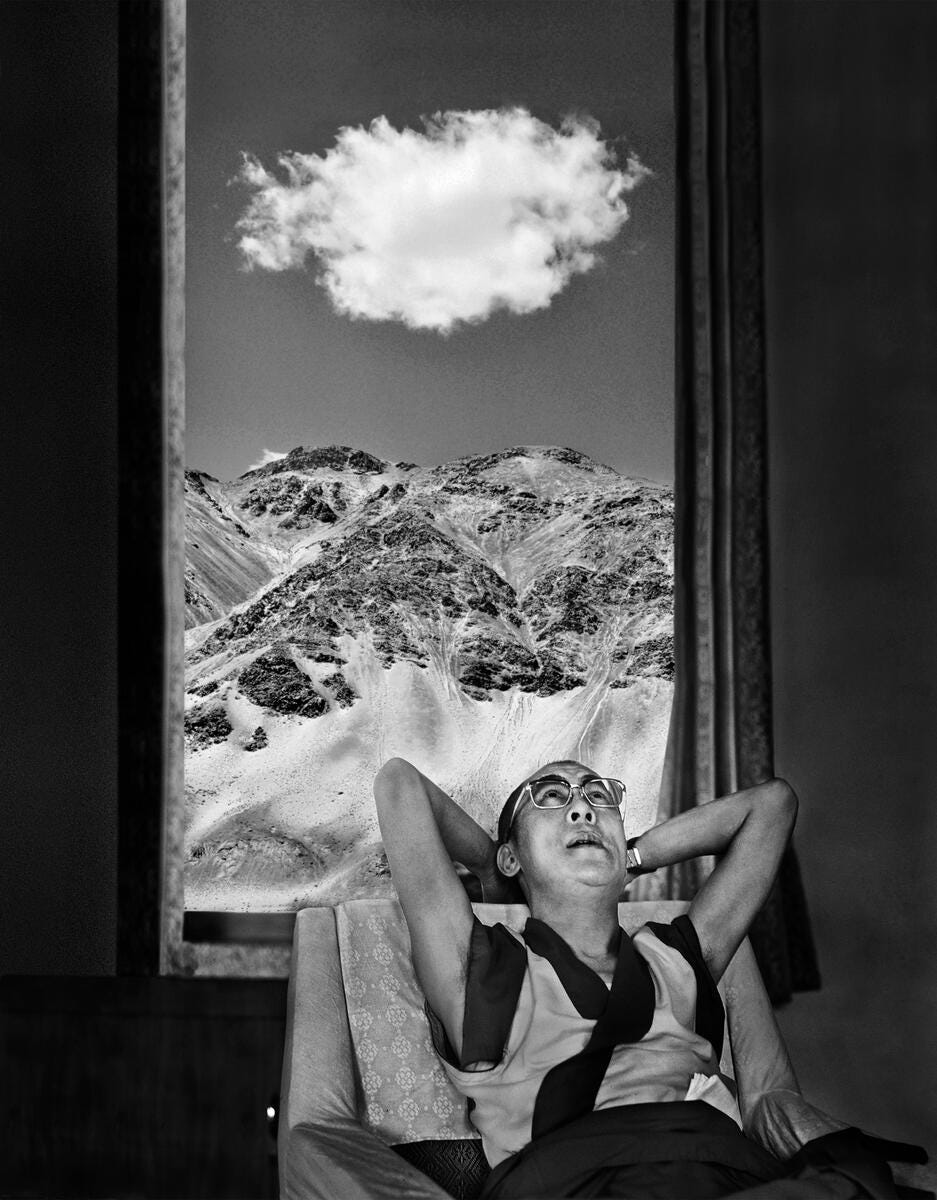
Rai met Henri Cartier-Bresson in Paris in 1972. Cartier-Bresson was so impressed with Rai’s photos of the Bangladesh Liberation War that he nominated Rai for membership of Magnum Photos. Rai, by his own account, was so overwhelmed by the invitation that he didn’t reply for half a decade.
Rai spent the majority of his career photographing India. “India is my whole world,” he said. “The variety of subjects are endless.”
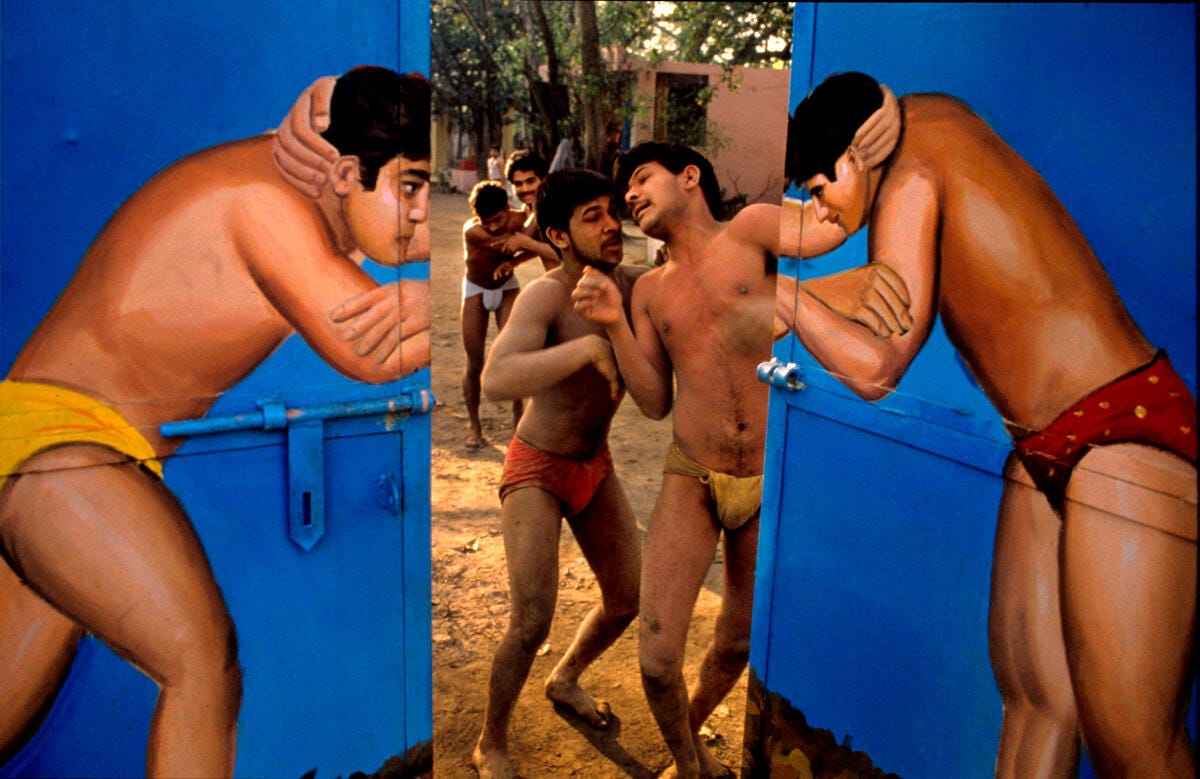
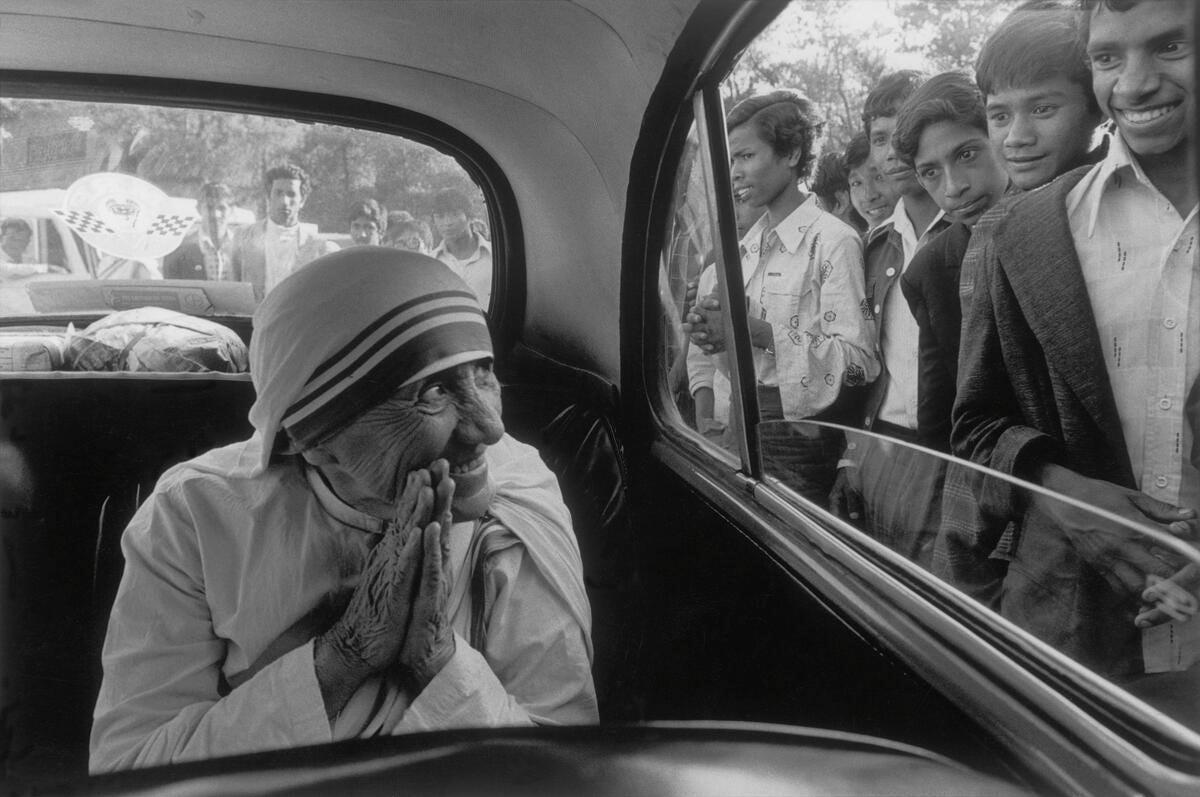
Rai brought a simple, direct and honest approach to his work, whether he was photographing wrestlers in Delhi, Mother Teresa, Indira Gandhi, the Dalai Lama or survivors of the Bhopal disaster.
“Each time I viewed the world through the lens, I felt all my energies, my concentration, were focused on what I was seeing.”
– Raghu Rai
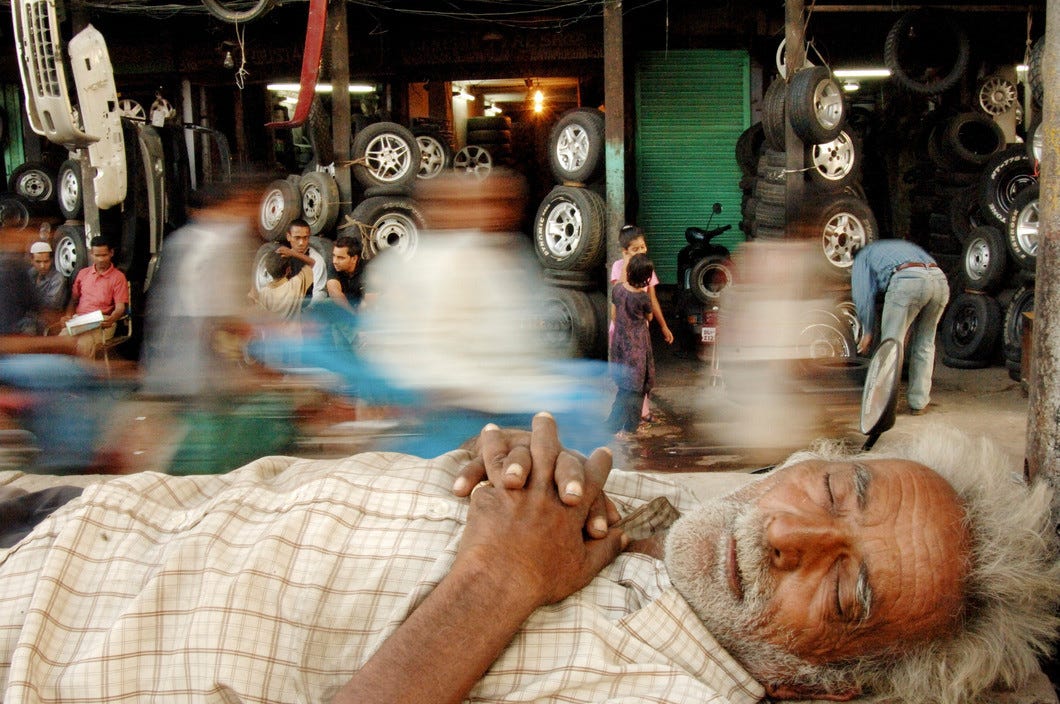
Hundreds of photographers gathered alongside Rai’s family at his cremation. Magnum photographer Sohrab Hura wrote afterwards that Rai was “bigger than photography.”
Generations of people have come to understand India as Rai saw it. That is a considerable legacy to leave behind.
Magnum has published an obituary for Raghu Rai and Invisible Photographer Asia hosted a fascinating, four-part interview with the master photographer in 2012.
“Your response should come from your heart, because your heart is you. That is being original. And if your heart gets touched by a movement or a specific thing happening, it will touch other people’s hearts.”
– Raghu Rai
The Wider Angle
The Françoise Demulder grant is open for applications from female photographers.
Françoise Demulder was a French photojournalist and the first female winner of the World Press Photo award in 1977. Paid subscribers can read more about Françoise Demulder, or Fifi as she was more commonly known, in Beyond the Frame 52/.
Two female photographers documenting a social, economic, political or cultural subject in a journalistic manner will each be awarded €8,000.
Deadline: 8 July 2026. Rules and application form.
Winning entries from the National Geographic Traveller magazine photography competition 2026 have been announced.
Categories include Landscape, Urban, Wildlife, People, Food and Aerial.
Turkish photographer Nurettin Boydak was awarded first place in the People category for his image of devotees gathered for the Eid celebration in Harar.
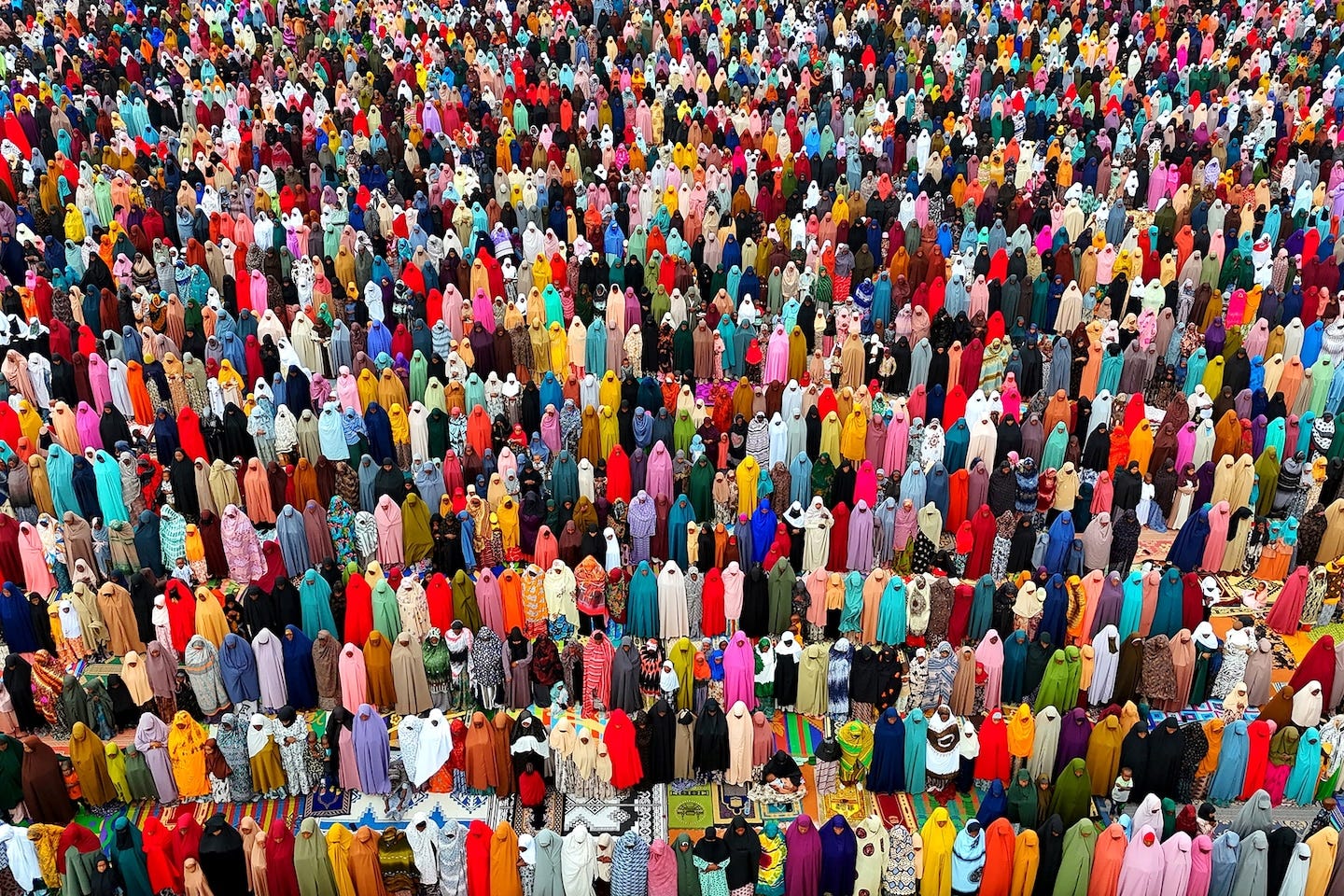
A selection of winning images will be on display in an open-air gallery at King’s Cross in London until 12 July 2026.
Photos by the late Martin Parr will be exhibited at the home of photography, Lacock in Wiltshire, UK.
Martin Parr photographed in Lacock at the start of his career. Perhaps it’s fitting that one of his last major commissions was photographing V.E. memorial celebrations in the same historic town.
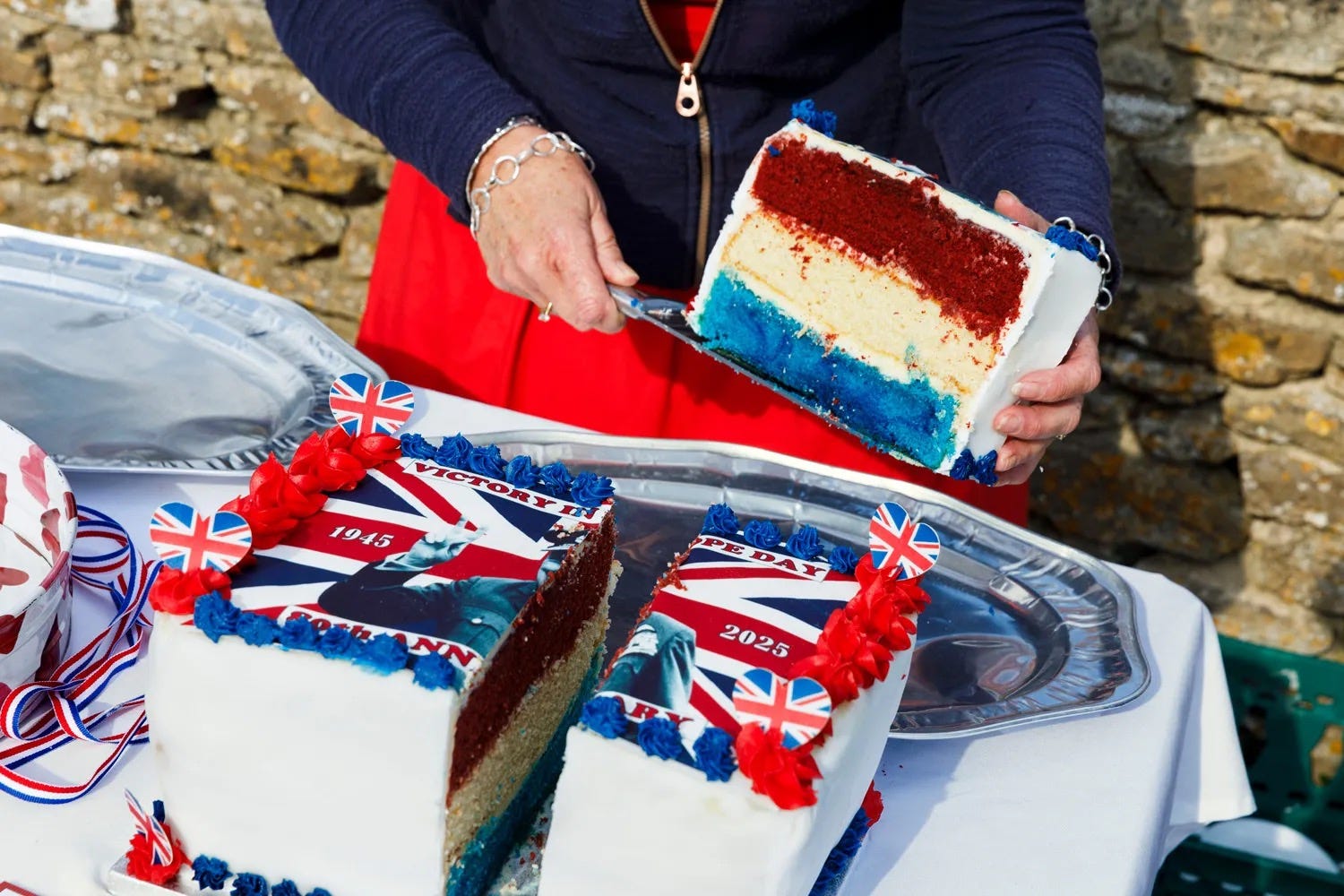
The exhibition opens at the Fox Talbot Museum at Lacock Abbey on 27 June 2026 and will run for one year.
And finally…
One of my SX-70 Polaroid cameras is 50 years old this year. In recognition of five decades of reliable use, I’ve sent it and its older brother on holiday. Both cameras are currently enjoying a relaxing spa break at MiNT Camera in Hong Kong, where they will be refurbished with replacement leather and shiny new lenses.

I’m looking forward to seeing them when they return home, gleaming and ready for their next fifty years. No doubt there will be an outing to test their rejuvenated abilities. Photos will follow.
Wherever you are and whatever your weekend plans are, I hope you have a good one.
Go well.

✤ Creative Inspiration
Lateral-thinking prompts, inspired by Brian Eno’s Oblique Strategies, designed with photographers in mind.

Read more and learn how to use my Oblique Strategies for Photographers.
That Nepalese light is actually buttery
Love this one Gavin. Transported me out of my head and back to beautiful Nepal and incredible India. That photo of the Dalai Lama is amazing, as are all the examples you've shown here. Thank you.