

Darjeeling
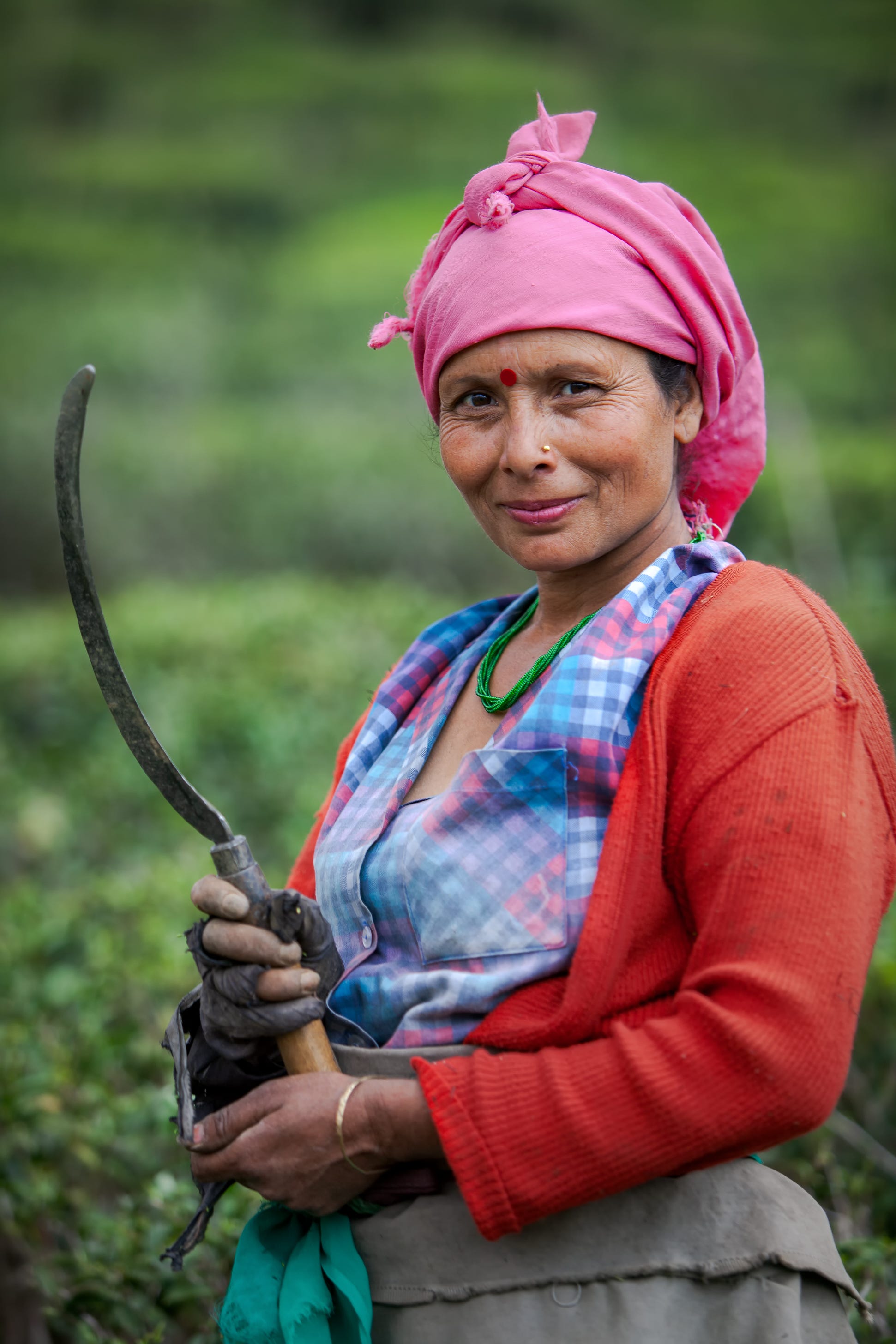
On the Sungma Estate in India, a smiling tea-picker takes a break.
The quality of the tea in your cup depends entirely on the tea-picker’s eye and their careful attention. Only the youngest, most tender leaves can create the finest blends. It is painstaking, repetitive, skilled work – and it begins with knowing exactly what to look for.
Portrait of Humanity
How to convey more than just a likeness in a portrait?
Glossolalia
I often play Cocteau Twins’ music when I’m writing. I find it helps to listen to music that’s so familiar it doesn’t become intrusive. And the majority of Cocteau Twins lyrics do not contain recognisable English words, so there’s nothing to torment my already overworked language synapses.
I’m listening to the 1996 album, Milk & Kisses, remastered in 2024. It’s sometimes described as one of the band’s more accessible albums but has all their hallmarks: lush guitars and ambling tempos beneath Elizabeth Fraser’s floaty, goosebump vocals. The first track on the album is Violaine.
Song lyrics appear in my Apple Music app. For Cocteau Twins songs, the Lyrics panel is often blank. What might sound like English words are often abstract sounds. Nevertheless, some intrepid soul has attempted to transcribe the lyrics to Violaine and has added their own Transcriber’s Note:
“Lyrics appear to consist of reversed words sung verbatim. However, it is also possible that they are not reversed at all and can’t be traced to any form of English. In any case, to avoid imposing assumptions of a simple English origin on their transcription, these impressions are presented in a manner that preserves vowel and consonant sounds when reversed. Brackets indicate either (1) digraphs (ch, sh, th) that should not be flipped or (2) long vowels (but not double vowels) that could be diphthongs (ai, ie, ey, oa). This notation looks awkward but is intended to minimise confusion when re-reversing the lyrics to determine the original text.”
If you’re thinking that seems like an overly-long explanation for a song transcription, the resulting lyrics, as transcribed, might offer an explanation.
Violaine
Ikkid[i] sad[i] sikidos
Ikkid[i] zaneel kee poss
Kee poss zan[o]n j[i]ya
Min hod adb[i] vadoo jeezg[o]lEejod indeep hoodod
Endod hoozdood jed[o]z
Idnood anook ikidos
[Sh]eezak eelon needok oteel
Singer Elizabeth Fraser’s lyrics are often not lyrics at all. They’re words she picked up from foreign language books, chosen for how they sound, not for any inherent meaning.
“The music and the singing and the words created a feeling, and I had a freedom doing this that I didn’t have singing English. I just didn’t have the courage to sing in English.”
– Elizabeth Fraser
A closer look
Whoever took the trouble to transcribe the lyrics to Violaine was seeking a deeper understanding. They didn’t simply shrug and say “It’s impossible to analyse this, just enjoy it.” They understood that the attempt to understand the heart of something meaningful, even imperfectly, even inconclusively, is itself worthwhile.
I recognise the transcriber’s reasons for wanting to dissect the Cocteau Twins lyrics. When we experience something that moves us, there’s an impulse to understand why and how.
I often feel this way about photographs, especially portraits. Some portraits hit a nerve, make a connection, they resonate. And pictures of people almost invariably reward me when I’m willing to pause and consider. Can I understand what the photographer was trying to convey? What is the story behind the image?
With that in mind, I’ve selected just six of my favourite photos from the Portrait of Humanity shortlist. A considered look reveals that each portrait shows somebody sustaining themselves amidst challenging circumstances.
I invite you to give each of them the attention they warrant. What’s obvious at first glance might not be the whole story.
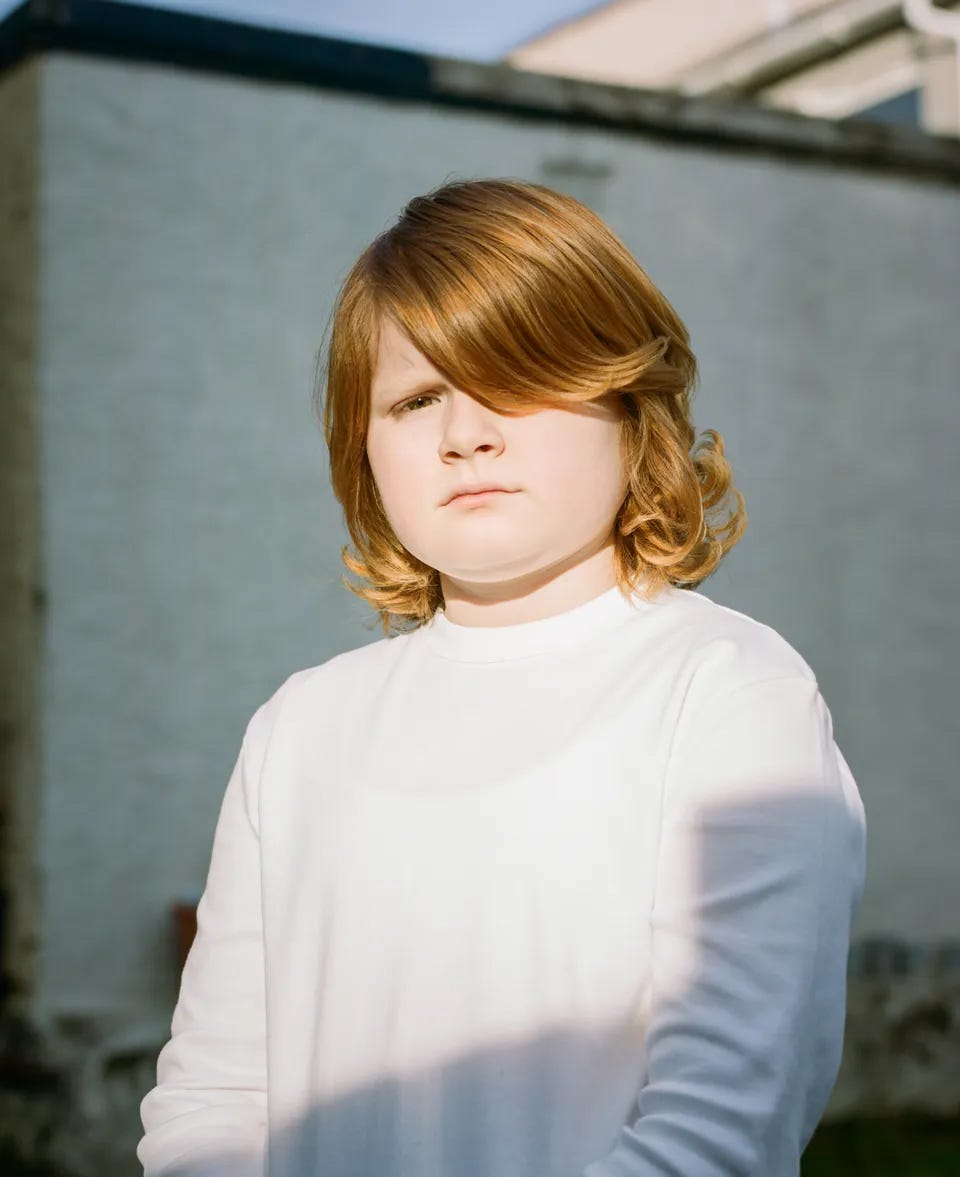
Seven-year-old Freya was diagnosed with leukaemia and lost all of her red hair. Growing up as the only redhead in the family she was encouraged to treasure her hair and how unique it was. Through treatment she lost it all and worried it would never return. Thankfully it did and she is well and living life to the full.
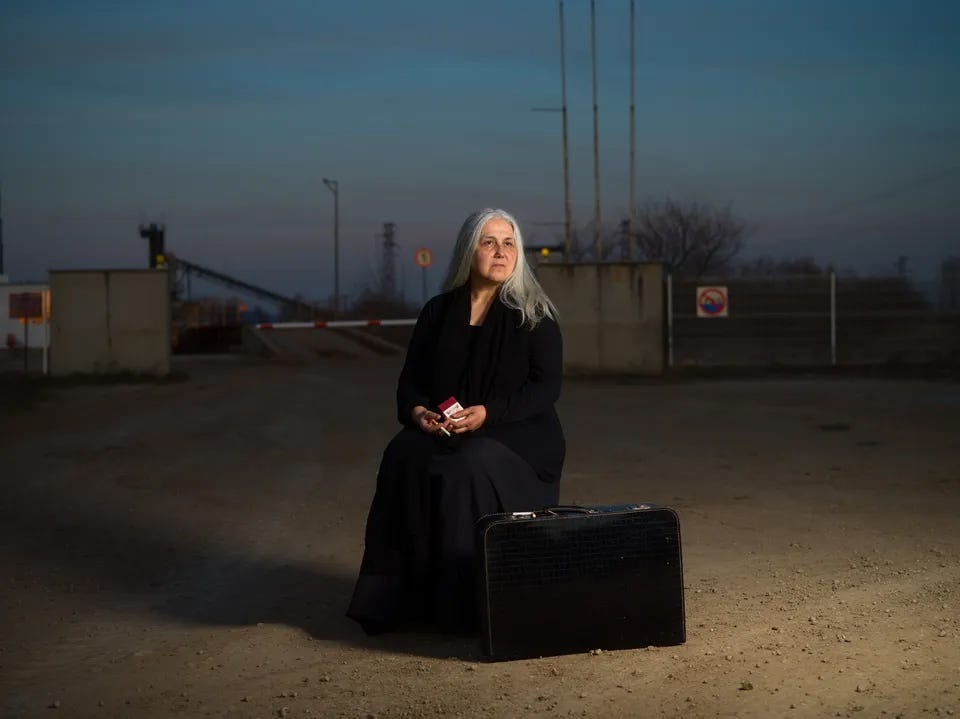
When you are forced to leave your life and start over in a new place with new people there is an old tradition of sitting in silence for a minute before leaving. The minute between memories and the unknown. The minute to remember all the good moments of your life so far and to mobilise for the unknown new beginning. A minute you will remember forever.
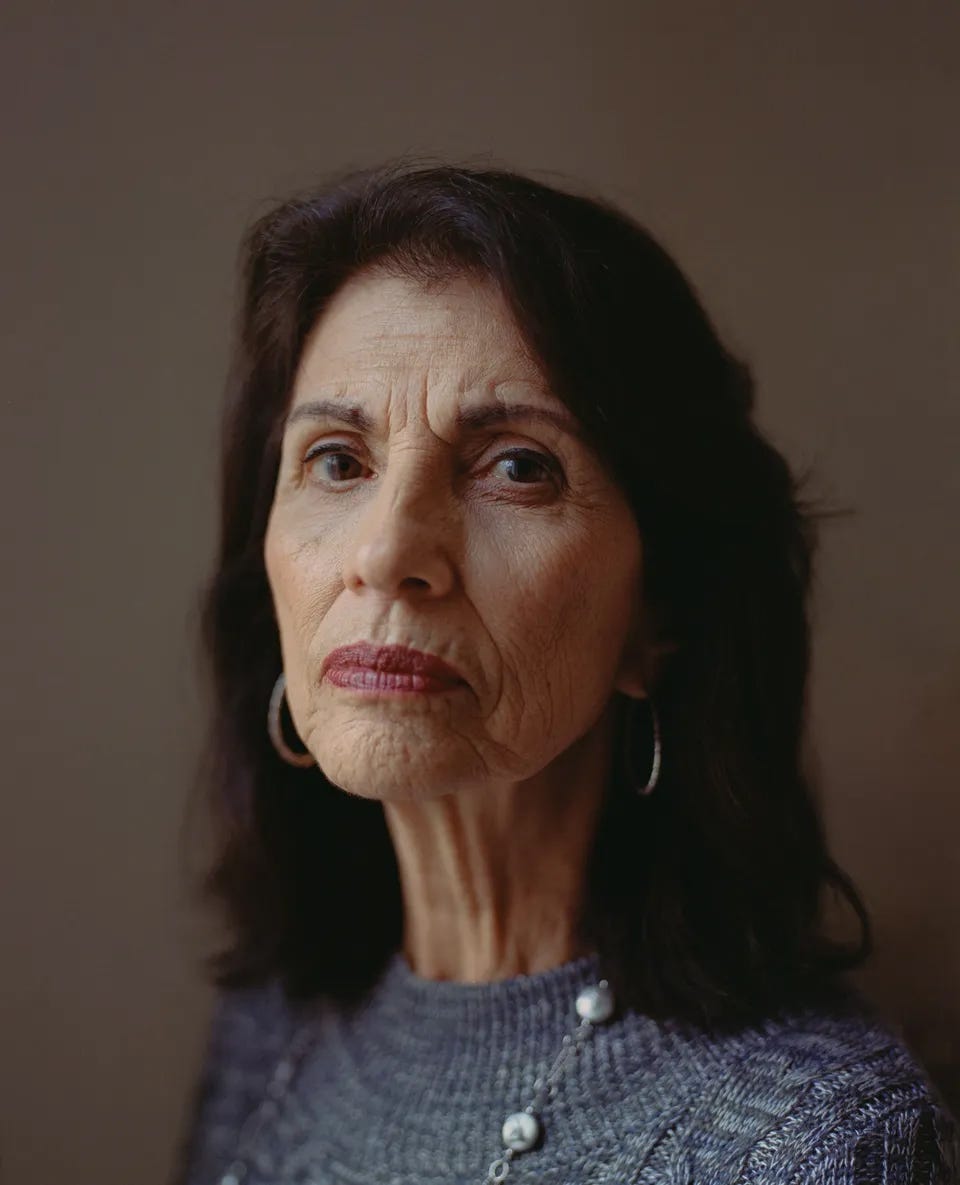
I had the privilege of meeting and photographing Diane Foley, the mother of journalist James Foley, who was publicly executed by Isis in 2014. The book ‘American Mother’ is about meeting one of her son’s killers, forgiveness, and the failure of the US government to free hostages.
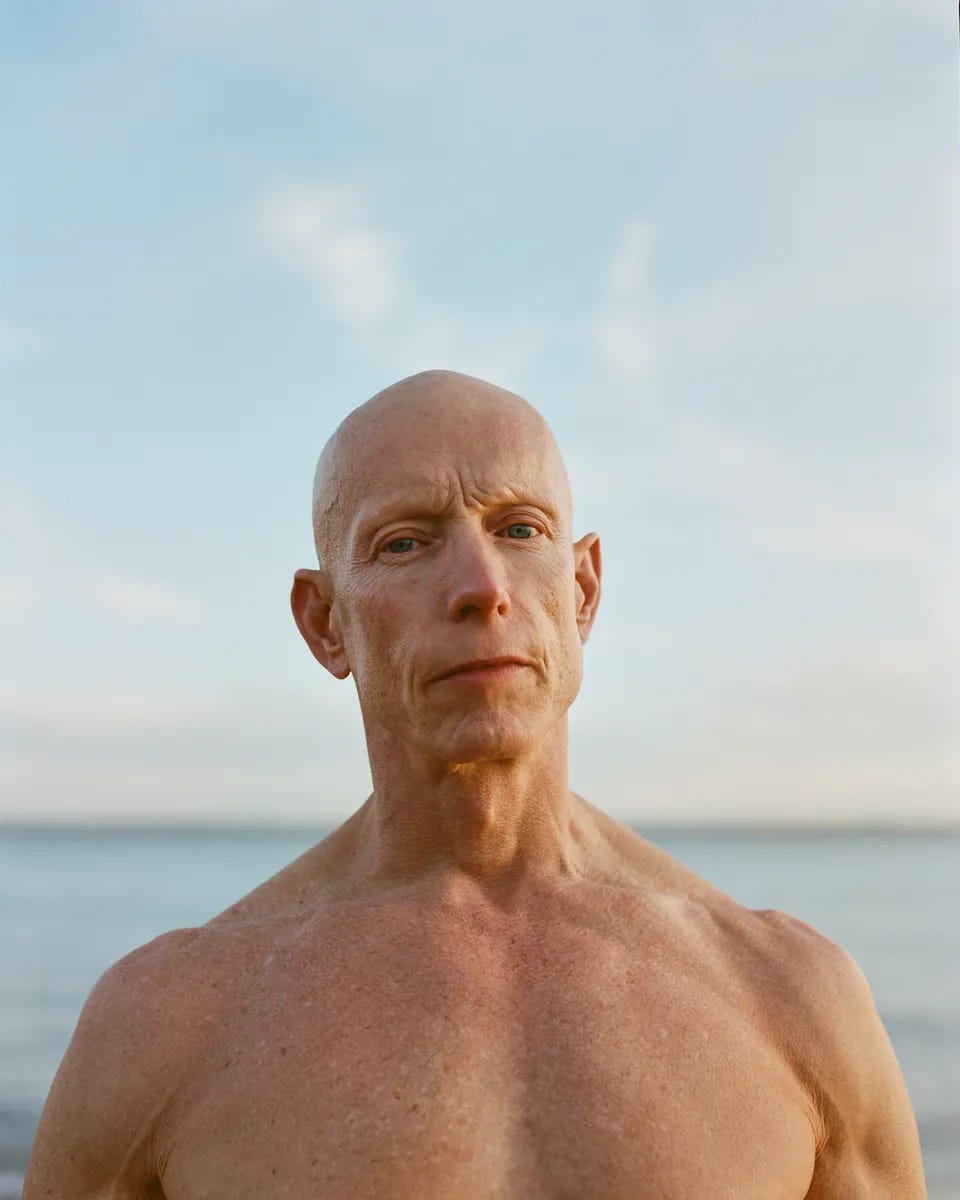
Philip first started losing his hair when he was 13 and it continued to come and go throughout his life. Hair loss at such a young age led to a horrific time during his formative teenage years at school, and as a man he has never felt comfortable seeing himself in photographs.
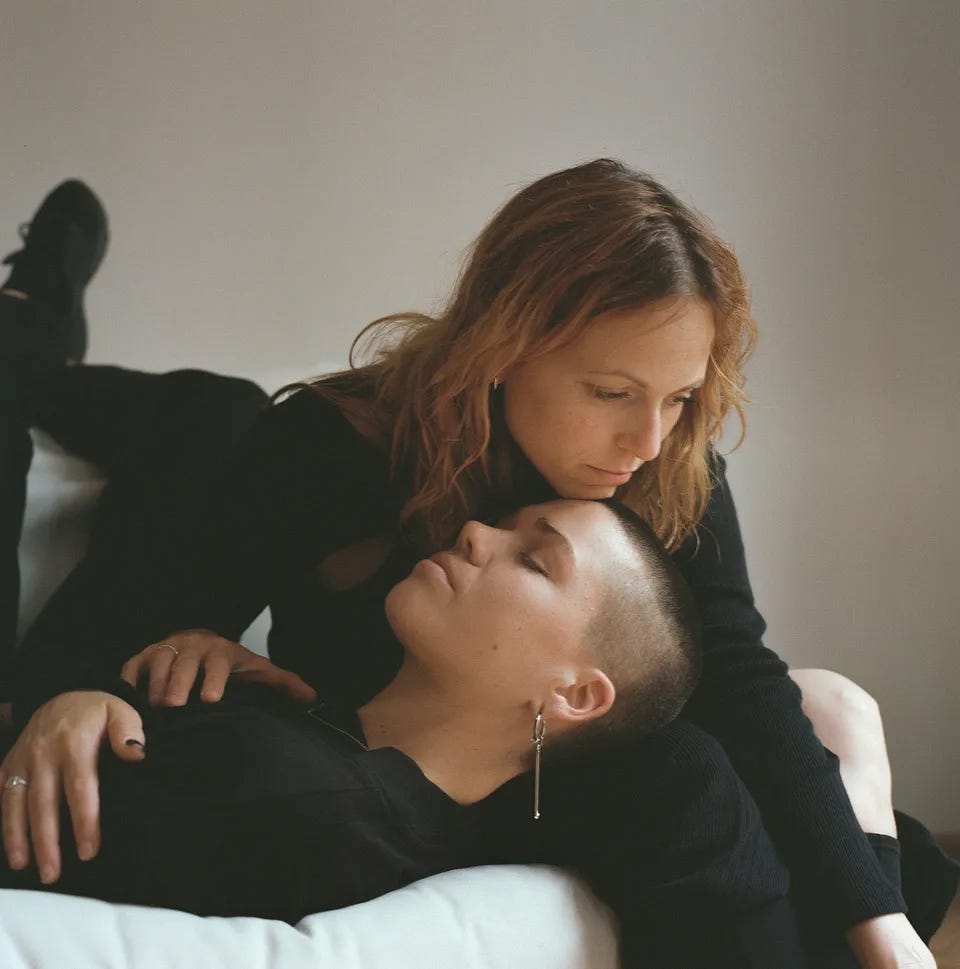
Despite progress towards equality and acceptance, many societies still show prejudice, discrimination and invisibility when it comes to lesbian partnerships.
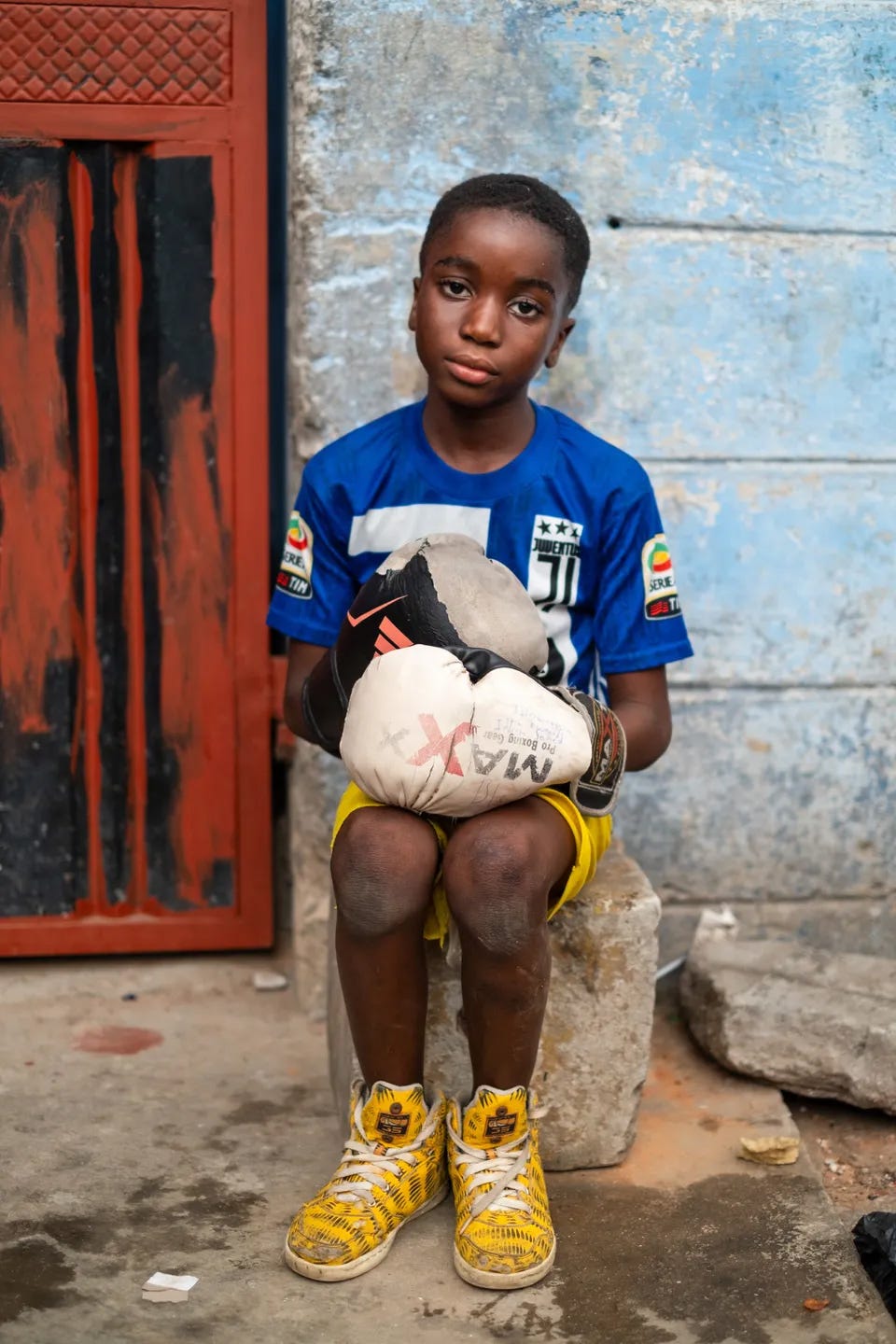
Young boxer in Jamestown, the capital of Ghana. Boxing is the local favourite sport and the greatest hope for success in young people’s lives, which is why they start training hard from a very young age.
On Reflection
I can’t say whether the lyrics transcriber achieved what they were hoping for. Any attempt to deconstruct the ineffable is likely to fall short.
But perhaps a clinical analysis is not the point. It’s the act of looking that brings rewards – the attention itself, regardless of where it leads.
Whether it’s indecipherable song lyrics or a stranger’s face in a photograph, the more acute our attention, the greater our understanding – and our appreciation.
“A photograph is usually looked at – seldom looked into.”
– Ansel Adams
The Wider Angle
Extraordinary Portraits
The BBC TV series, Extraordinary Portraits is… well… extraordinary.
The premise is simple: a member of the public has a portrait or a sculpture made by a notable artist. Each episode follows the process from their initial meeting to the final reveal.
What elevates this TV series are the fascinating personal stories that each subject reveals. Subjects have included Rizwan, an unassuming railway worker who has prevented 29 people from taking their own lives, 82-year-old ‘Iron Gran’ Eddie – the oldest British woman ever to complete an Ironman triathlon, and Darryn, the humble hero who fought a terrorist on London Bridge with a five-foot-long, antique narwhal tusk.
Each subject’s story is captivating. The artists’ challenge is not only to create a likeness of their subject, but to also convey the sitter’s backstory.
I’m impressed that the programme features ‘ordinary’ members of the public rather than celebrities – and also pleased to see a photographer appearing as one of the esteemed artists.
Portrait photographer Brock Elbank photographed Araf Saddiq, Scotland’s first Asian paramedic. The full episode is available on YouTube and BBC iPlayer but if you only have a couple of minutes to spare, the final section – including the all-important reveal – is lovely to watch.
A magical portrait
My favourite episode shows painter Jack Dickson creating a beautiful portrait of Seema Misra.
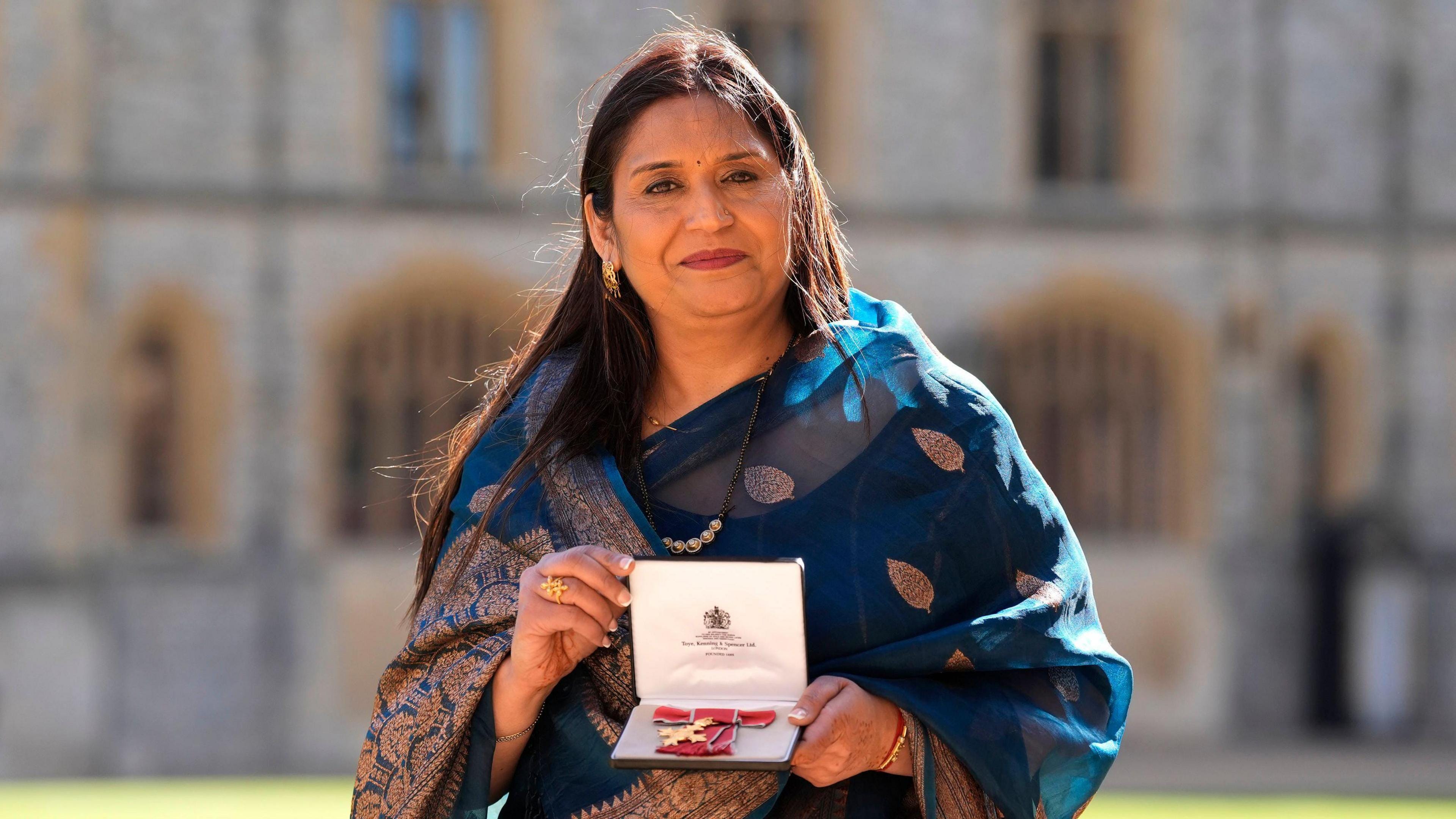
Seema was a victim of the British Post Office Scandal, which saw over 900 postmasters wrongly convicted based on evidence from flawed computer data. It is arguably the greatest miscarriage of justice in British legal history.
Seema was one of those wrongly convicted of theft and false accounting. She was eight weeks pregnant when she was imprisoned on the day of her eldest son’s 10th birthday. Seema was still wearing an electronic surveillance tag when she gave birth.
Seema and her family – who aspired only to run a business serving their local community – experienced intimidation by Post Office investigators and were forced to sell their family jewellery, in an attempt to make up the shortfall incorrectly calculated by the Post Office accounting software.
I recommend watching the full episode (YouTube or iPlayer), not only to see the artistic process but also to fully understand the impact that the final portrait has on Seema and her family when it’s revealed. But if you’d rather skip to the final reveal, here’s the emotional clip.
This is one of those rare reality TV shows devoted to celebration, not exploitation. Personally, I’d rather live in a world where Extraordinary Portraits attracts more viewers than, for example, Married at First Sight but, alas, we do not. Although, to be honest, I still don’t understand what a Kardashian is so what do I know?
Extraordinary Portraits Exhibition
Portraits from the most recent series of Extraordinary Portraits can be seen at the Bradford Loading Bay gallery in the UK until 26 July 2026.
Buy a photo zine, support a homeless youngster
Photos from my impromptu photo project, On the 139, featuring scenes of London made from the top deck of a 139 London bus, are now available in a modest zine.

Zines are traditionally inexpensive publications, designed to share self-published work in an accessible format.
This edition is A5, printed on uncoated paper, 40 pages and costs £10.
All profits from sales of On the 139 will help sponsor a room run by the Centrepoint charity, which provides accommodation, education and support to almost 15,000 young homeless people every year.
“Your kindness could give a young person a stable home – often for the first time in their life. Instead of worrying about what to eat or where to sleep, they can start to put their lives back together, safe in the knowledge that we’ll be there for as long as they need us.”
– Centrepoint
And finally…
I can’t write about the Cocteau Twins without also mentioning this extraordinary story.
In 1983 Elizabeth Fraser covered Song to the Siren, originally a Tim Buckley song. The track later appeared on a 4AD album, It’ll End in Tears, under the name This Mortal Coil.
A decade later, Tim Buckley’s son, Jeff Buckley, released his only studio album, Grace. Jeff Buckley and Elizabeth Fraser became infatuated with each other’s voices from afar.
The two met in 1994 and, perhaps inevitably, fell in love.
“I mean, he idolised me before he met me. It’s kind of creepy, and I was like that with him. This is embarrassing, but it’s the truth. I just couldn’t help falling in love with him. He was adorable.”
– Elizabeth Fraser
Jeff Buckley and Elizabeth Fraser recorded one duet, All Flowers in Time Bend Towards the Sun, which was never properly finished or officially released. You won’t find it on Spotify or Apple Music but it did leak onto the internet and has found its way onto fans’ playlists.
Knowing that these two sublime voices found each other and made music together is, I think, a reason to be cheerful.
Go well.

✤ Creative Inspiration
Lateral-thinking prompts, inspired by Brian Eno’s Oblique Strategies, designed with photographers in mind.

Read more and learn how to use my Oblique Strategies for Photographers.

All Flowers is one of my favourite tracks, a beautiful song from two of my favourite vocalists
Comments