

Hither and Thither
I had planned a short summer break for this newsletter but it grew into a longer summer/autumn hiatus because… well, life.
No doubt you’ll have your own stories of how life can interrupt plans, divert the best intentions and crash headlong into the most carefully planned schedules, so I won’t trouble you with mine. You’ll already know that life is often unpredictable and can stubbornly refuse to be corralled, but, as my wise old grandmother would often say, it’s better than the alternative.
So I’m pleased to be compiling a newsletter again, although I had begun to wonder if some apocalyptic event might bring further delays.
Impending doom?
I note that the British government is advising citizens to stockpile tinned food and bottled water in readiness for an unspecified threat. The Swiss government has recently issued a similar reminder. Hackers have been turning European supermarket fridges into slow cookers, boiling vital blood supplies, sending fake nuclear attack alerts, and have successfully stolen US$6.3 billion in cryptocurrency.
I learned this week that the detection rate of IT vulnerabilities has soared by 800% in recent months – and that they’re referred to as ‘vulns’ in the tech world, presumably because the acceleration of threats is so rapid that there’s no longer enough time to pronounce all six syllables.
It’s so hard to know which existential threat to prepare for first. Will the polar ice caps melt before AI worms hijack our household smart devices or will an egotistical man-child spark global conflict before the planet heats to brain-scorching levels?
Also, I’m curious. Exactly how will a wind-up radio, 18 litres of bottled water, and 15 tins of carrot and coriander soup protect us against any of these disaster scenarios?
Reasons to be cheerful?
Where might we find reasons to maintain any hope or faith in humanity at times like these? Don’t hold your breath waiting for a pithy answer from me. I’m at a loss too.
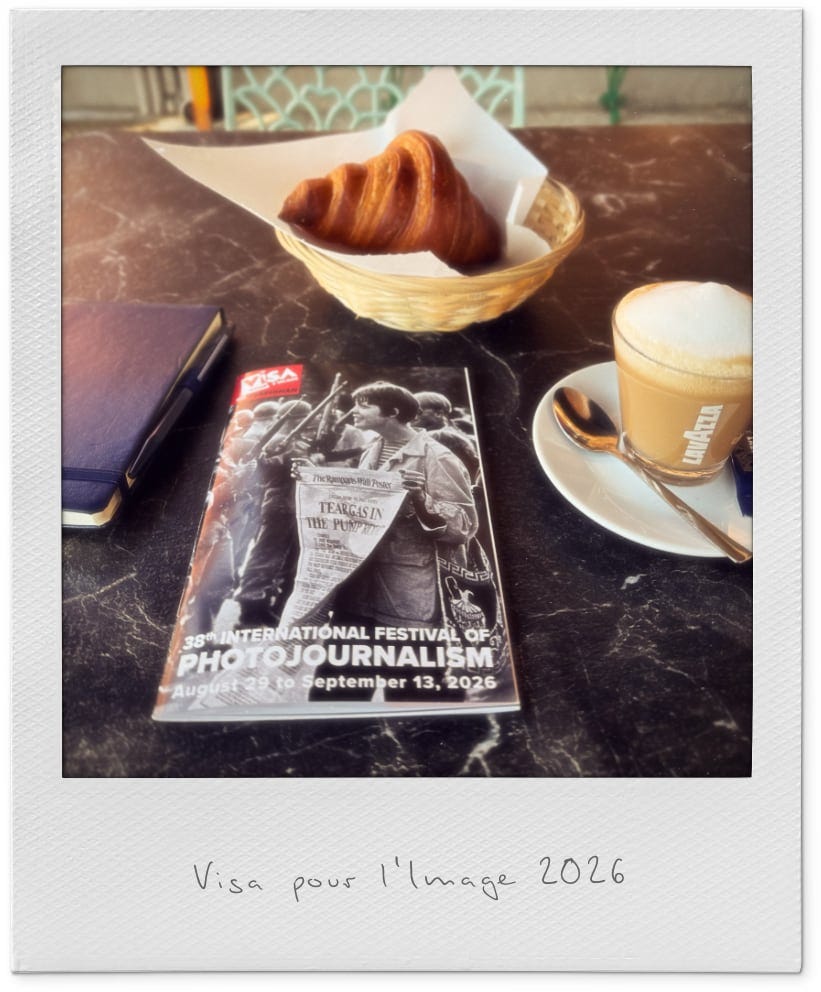
In September, amidst an air of despondent inevitability, I travelled to Perpignan in the south of France for the annual Visa pour l’Image Festival of Photojournalism. You might reasonably suggest that a week-long immersion into uncompromising stories of war, famine, injustice, and deprivation wouldn’t offer the best antidote to existential angst. And you would be right. After one week, I didn’t feel any easier about the state of the world, but I had gained one valuable thing: definition.
The threats we face are nebulous and abstract. I can’t draw a sketch of ‘global warming’ or make a portrait of ‘Artificial Intelligence’ and I find it difficult to face a threat that I can’t visualise. Plus, monsters are always scarier in the dark.
The photo essays exhibited at Visa don’t provide solutions but they do bring some much-needed light to the arena. They don’t seek to minimise or obscure the grim realities, quite the opposite. They reveal them with gritty realism alongside names, dates, and locations.
It’s these specifics that make things easier to handle. Definition brings understanding. My heavily annotated festival catalogue shows how keen I was to record as much detail as possible, arming myself with information.
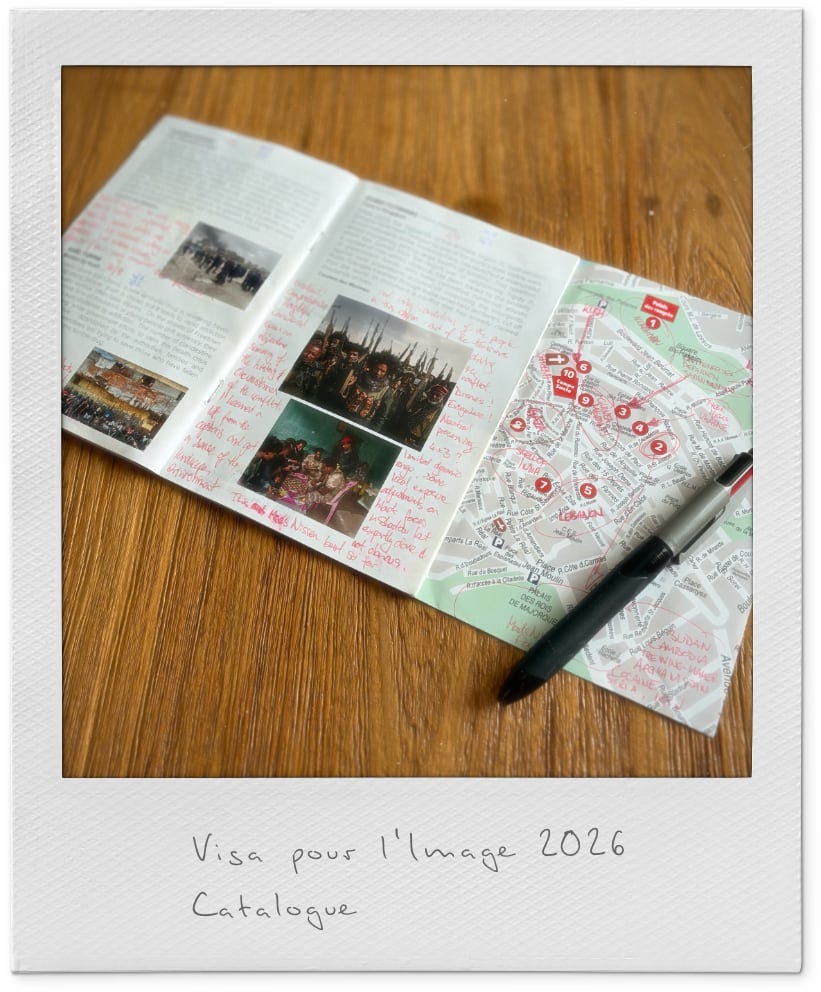
It might be clutching at straws but I left Perpignan feeling better informed than when I arrived. The world did not seem any less precarious to me but Visa provided evidence of a community prepared to pay attention. The photographers willing to spend extended periods in places most of us would try hard to avoid are just one part of a longer chain. For every photo story exhibited there’s likely to be (for now) a struggling magazine willing to publish it, an editor ready to commission it, a printer, a framer, a team of people organising and promoting, volunteers who carefully hang prints on the walls of Perpignan’s ancient halls and cloisters, and thousands of visitors willing to join queues in order to focus their quiet attention on the stories.
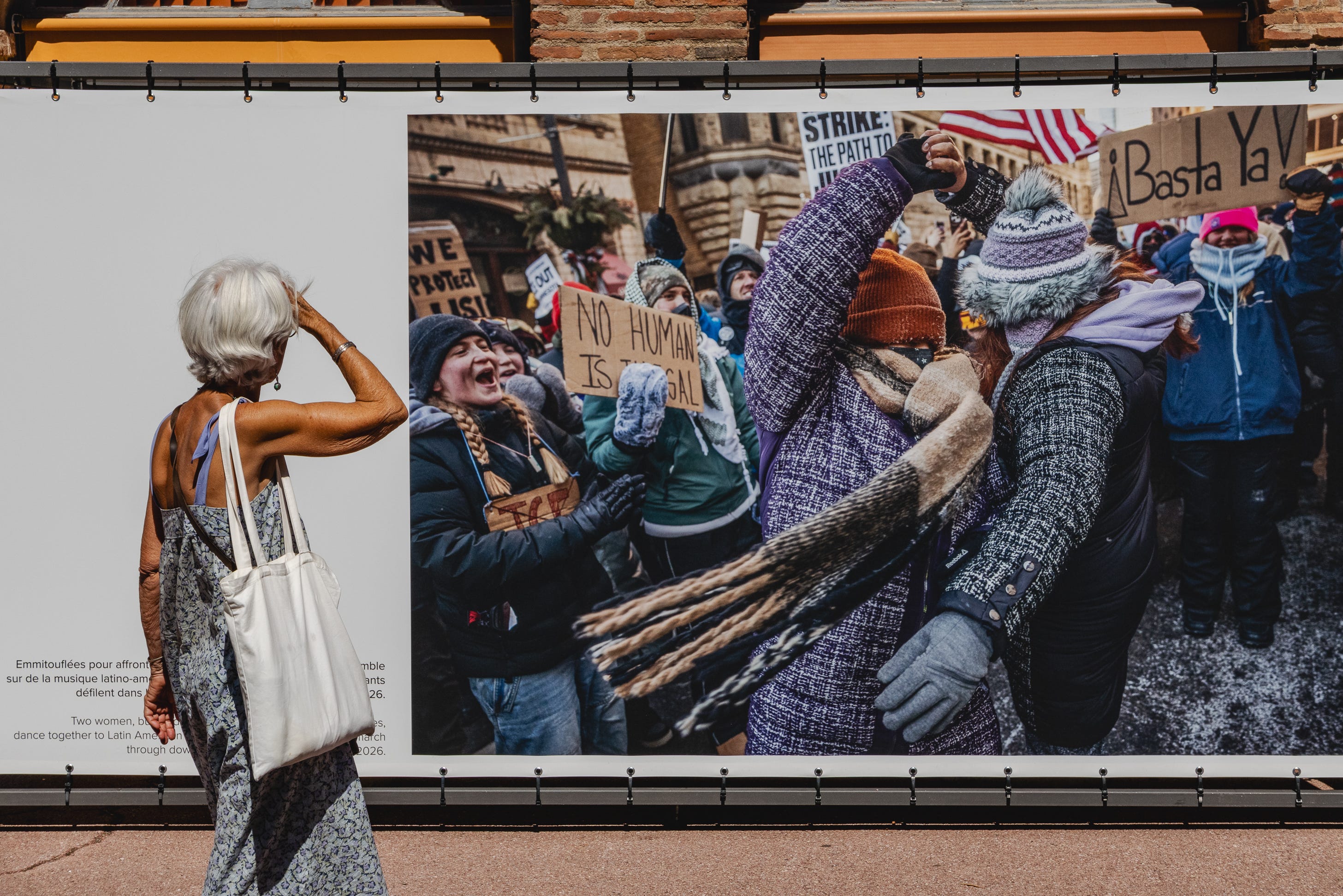
I believe we need more events like Visa pour l’Image. Many more. The Visa community gathers once a year in one small corner of France, but perhaps it shouldn’t need to. Seeing David Guttenfelder’s photos of anti-ICE protests enlarged to a size that’s impossible to ignore made me wish that every town and city had a permanent space where photo essays could be exhibited. Social media algorithms won’t bring these stories to our screens. Photo essays on the issues of our time ought to be an intrinsic part of daily life, on the high streets and in the shopping malls. This alone would not solve all our problems, but I’m sure it would be a better use of our energy than stockpiling carrot and coriander soup.
Visa pour l’Image 2026
Jean-François Leroy
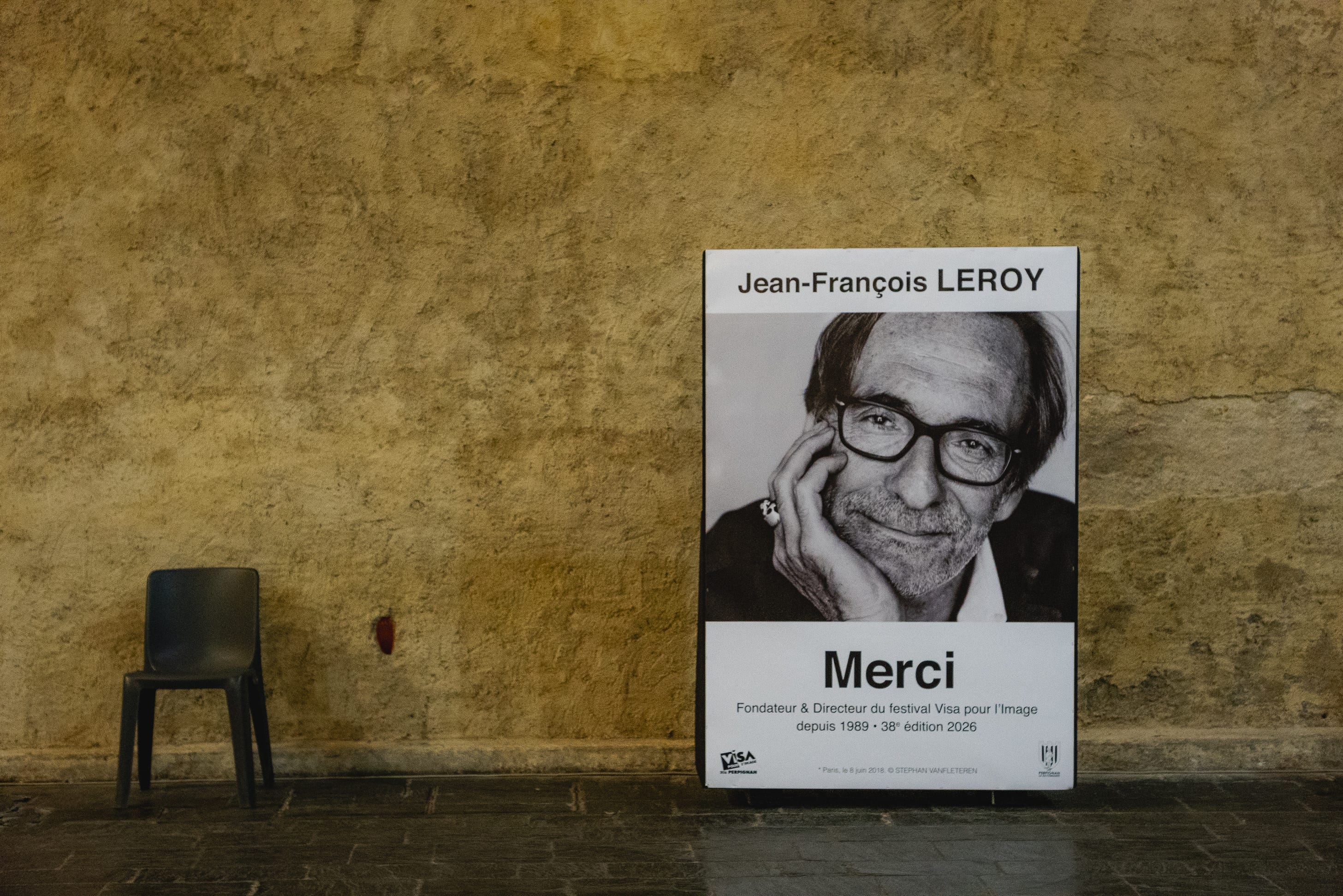
Before I share some of my festival highlights, I must pay tribute to the man responsible for the success of Visa pour l’Image, Jean-François Leroy.
Jean-François was the uncompromising founder and director of Visa. For 40 years he was a stalwart defender and promoter of photojournalism and photojournalists. He succeeded in keeping the festival free whilst growing its reputation to become the world’s foremost celebration of the profession.
Sadly, he was too ill to attend this year’s event and died in Paris on the morning of the first day of this year’s festival. Many photojournalists will readily explain how Jean-François and the Visa festival were the catalysts that kick-started their careers.
In a tribute to the man, Le Monde noted that “he fought against media buyouts for ideological or financial reasons, against news outlets that no longer sent photographers into the field often enough, against restrictions on press freedom, against the celebrity-focused turn of magazines, against the proliferation of AI-generated images, and more. On stage, he also paid tribute, at times with tears in his eyes, to photographers killed while reporting.”
His absence was notable this year and the sense of loss felt by the community that he loved was palpable.
When asked to describe Visa pour l’Image, Jean-François said, “It’s a cross between the Cannes Film Festival and a gathering of pirates.”
I love that.
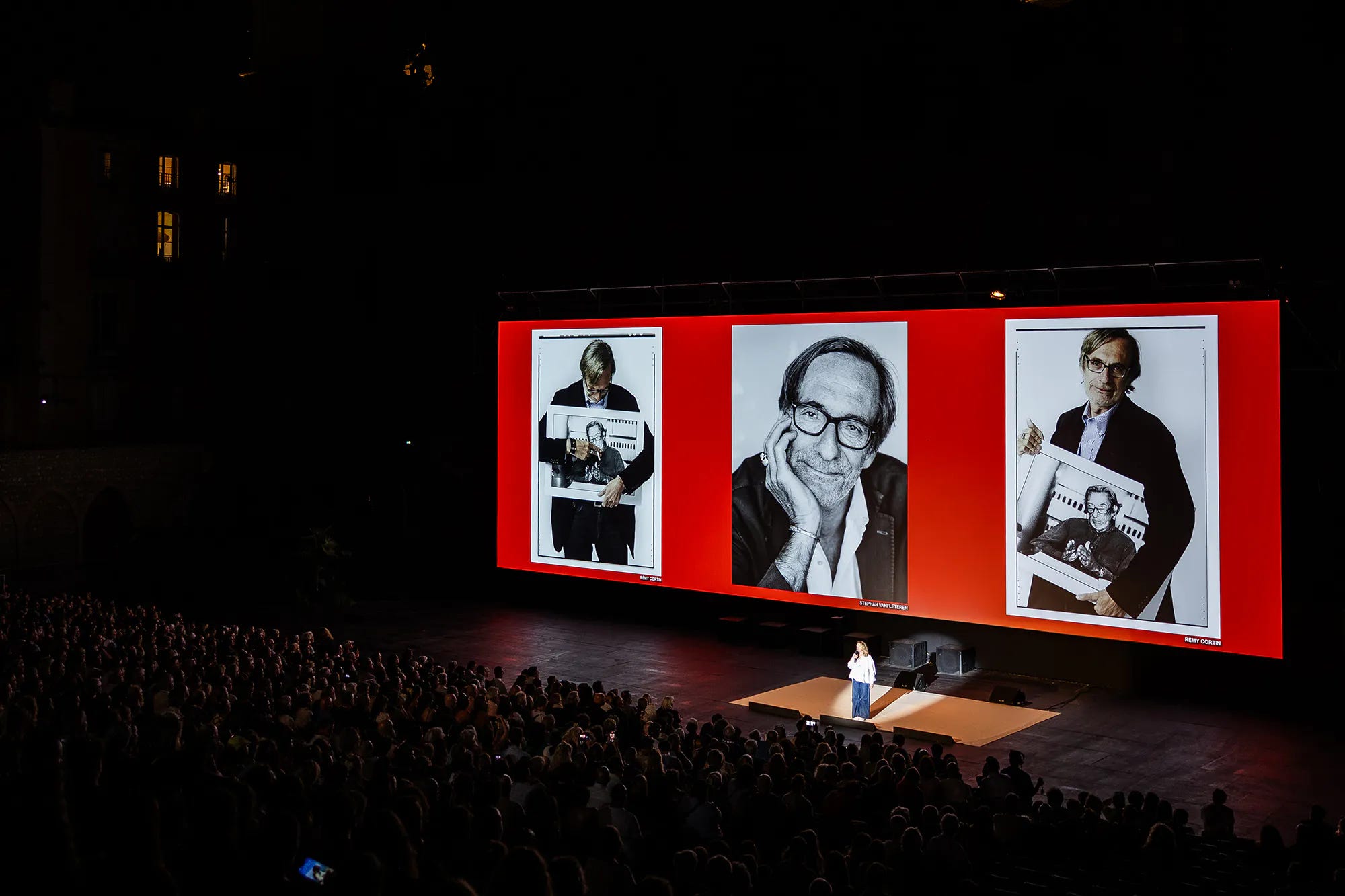
Visa pour l’Image 2026 – My Highlights
I’ve chosen three of the photo essays from this year’s Visa festival that had the biggest impact on me. Below these, you’ll find a link to a larger collection of stories exhibited.
The Geography of Cocaine
Mads Nissen
The result of a ten-year project, the essay provides an extraordinary insight into the cocaine industry, from Colombian plantations to decadent European nightclubs.
Mads was in Perpignan and introduced his work in the most memorable way. He didn’t spend time talking about himself or his background. There was no preamble, he simply opened with this:
“I believe what photography is capable of can be summed up in one word: Empathy.”


Afghanistan: The Girls Sold to Survive Drought
Élise Blanchard
I spend a lot of time in exhibitions watching other visitors’ reactions to the images. It’s always interesting to see which prints people linger at. No exhibit had a more visible impact than Élise Blanchard’s essay showing how severe drought has forced families to sell their daughters into marriage in order to survive.
The picture of Ziaudin showing his scar, below, invariably stopped viewers more than any other. It’s impossible to read the caption only once. I’m sure everybody re-reads it to make sure they’ve understood it correctly.
This story was recently featured in a Guardian article.


The People of Minneapolis vs. ICE
David Guttenfelder
David’s photos of the people of Minneapolis protesting against ICE agents were enlarged to more than two metres tall – and rightly so. Despite being made in challenging, fast-moving situations, the level of detail warrants close attention.
The photo essay illustrates the danger and chaos of violent street encounters but there are moments of wry humour too, showing the absurdity of ordinary residents bravely facing an army of masked aggressors.


Visa pour l’Image Exhibitions
I’ve collected links to the main exhibits and organised them roughly in the order that I’d recommend seeing them.
You can find my 21 recommended exhibitions on a dedicated Beyond the Frame Resources page.

(You’ll need an account on the Visa pour l’Image website in order to view the full galleries – it’s definitely worth that small extra step.)
What is ‘success’?
Returning from Perpignan, I read this quote, from beloved author Arundhati Roy. She wrote it spontaneously on a paper napkin during lunch with a friend. Although she was offering an alternative definition of ‘success’, it might also serve as an appropriate mantra for dedicated photojournalists (from The Marginalian).
“To love. To be loved. To never forget your own insignificance. To never get used to the unspeakable violence and the vulgar disparity of life around you. To seek joy in the saddest places. To pursue beauty to its lair. To never simplify what is complicated or complicate what is simple. To respect strength, never power. Above all to watch. To try and understand. To never look away. And never, never to forget.”
– Arundhati Roy
The Wider Angle
I have some bad news 🙁 but also some good news 🙂 and some even better news 😁
British Journal of Photography Suspends Print Edition
In the 100th edition of this newsletter, I celebrated the longevity of the British Journal of Photography. First published in 1854, it is (was) one of the world’s longest-running photography publications.
Subscribers to the BJP will no doubt have been impressed with the quality of the printed journal in recent years. Each hefty edition was beautifully printed on art paper. It was a welcome antidote to seeing photography confined to digital screens – a sumptuous, lovingly curated celebration of photography.
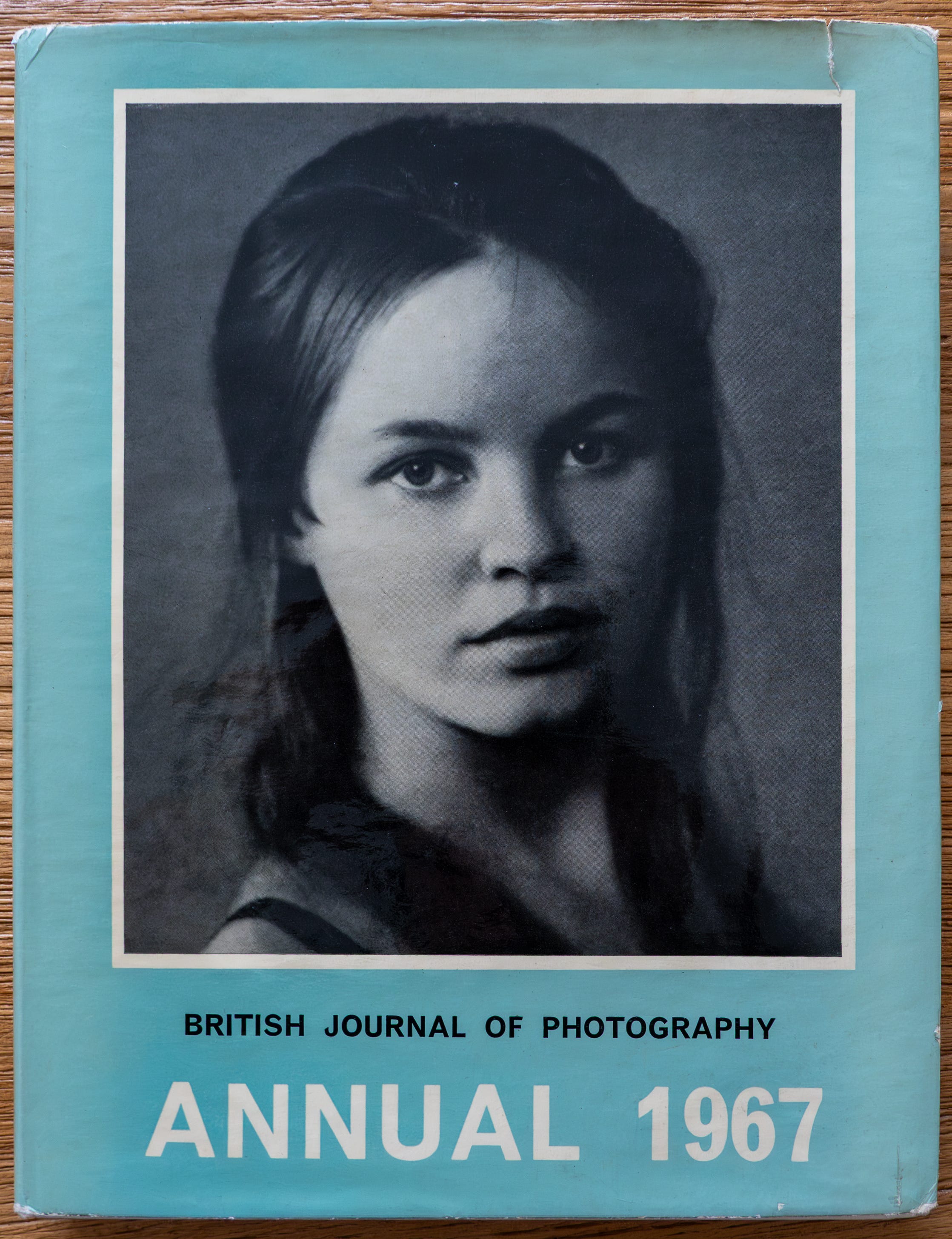
A new edition would thump onto our doormat four times a year. I’d brew a pot of our best Lapsang tea, turn my phone off, and set aside an uninterrupted hour to read it – because, really, it deserved a level of attention that only printed photographs can summon. Pictures on computer screens are so transitory, existing only for as long as it takes us to scroll forward, dissolving the pixels into a different image. By contrast, as my 1967 annual demonstrates, printed photos can last a lifetime and beyond.
So it was with some sadness that I read an email from the BJP’s chief executive Mick Moore that the print edition has been suspended. Grant Scott has published an insightful – if somewhat gloomy – reflection on the news on the United Nations of Photography website.
The last edition I received, “Ones to Watch”, will be the final print edition, the end of a 172-year heritage.
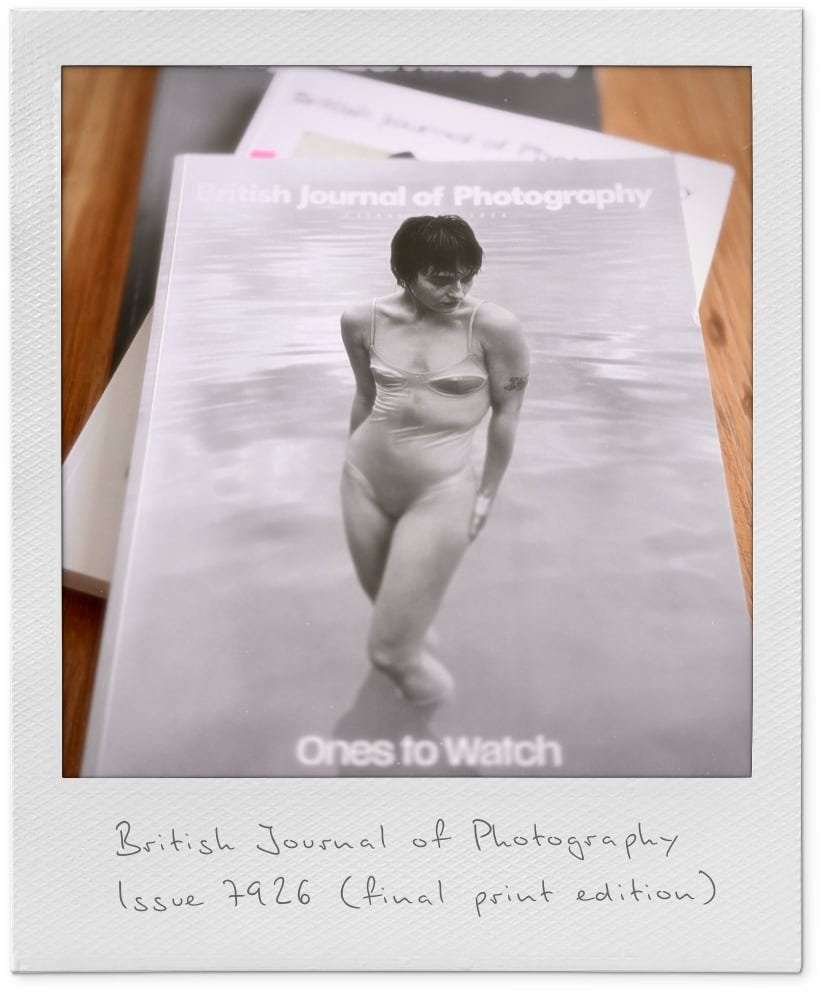
The magazine will continue in a digital format and the suspension of the print edition is described as “a pause”. It’s not surprising that the very glossy editions proved too expensive to sustain and perhaps the journal will reappear in a less costly form. I will keep my fingers crossed.
In the meantime, I’d encourage readers to subscribe to the free email newsletter and perhaps also consider a paid subscription. Although confined to a digital format for now, the BJP will need the support of an appreciative audience if there is to be any hope of seeing it in print again.
Breathing New Life
Anyone tempted to cite the demise of the British Journal of Photography as proof that we’re witnessing the death of printed magazines might want to keep their powder dry for a little while longer. Bucking the trend, the celebrated LIFE magazine is returning to newsstands later this month.
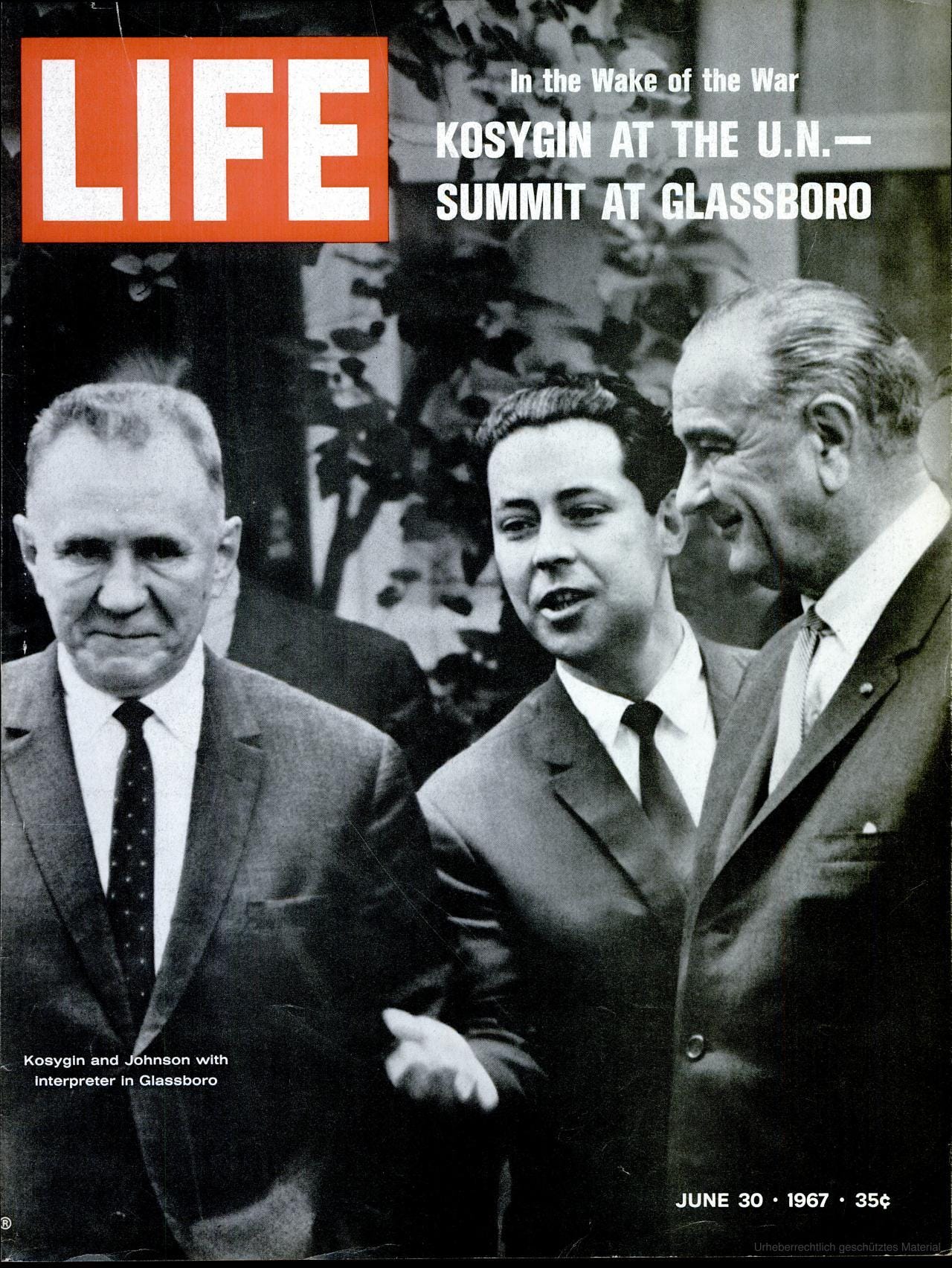
It’s reported that the new quarterly magazine will cost a not inconsiderable US$45 per issue. There are also plans to expand the title to include events, videos, and special edition prints. Perhaps LIFE might once again thrive to the point where it can commission photographers to explore the sort of stories featured at Visa pour l’Image.
As Tom May writes, “If a modern, well-funded version of LIFE is able to send photographers out to spend time with ‘scientists and artists, entrepreneurs and athletes, children and octogenarians, coal miners and drone makers’, that’s got to be good news for both photography and the world in general.”
We live in hope.
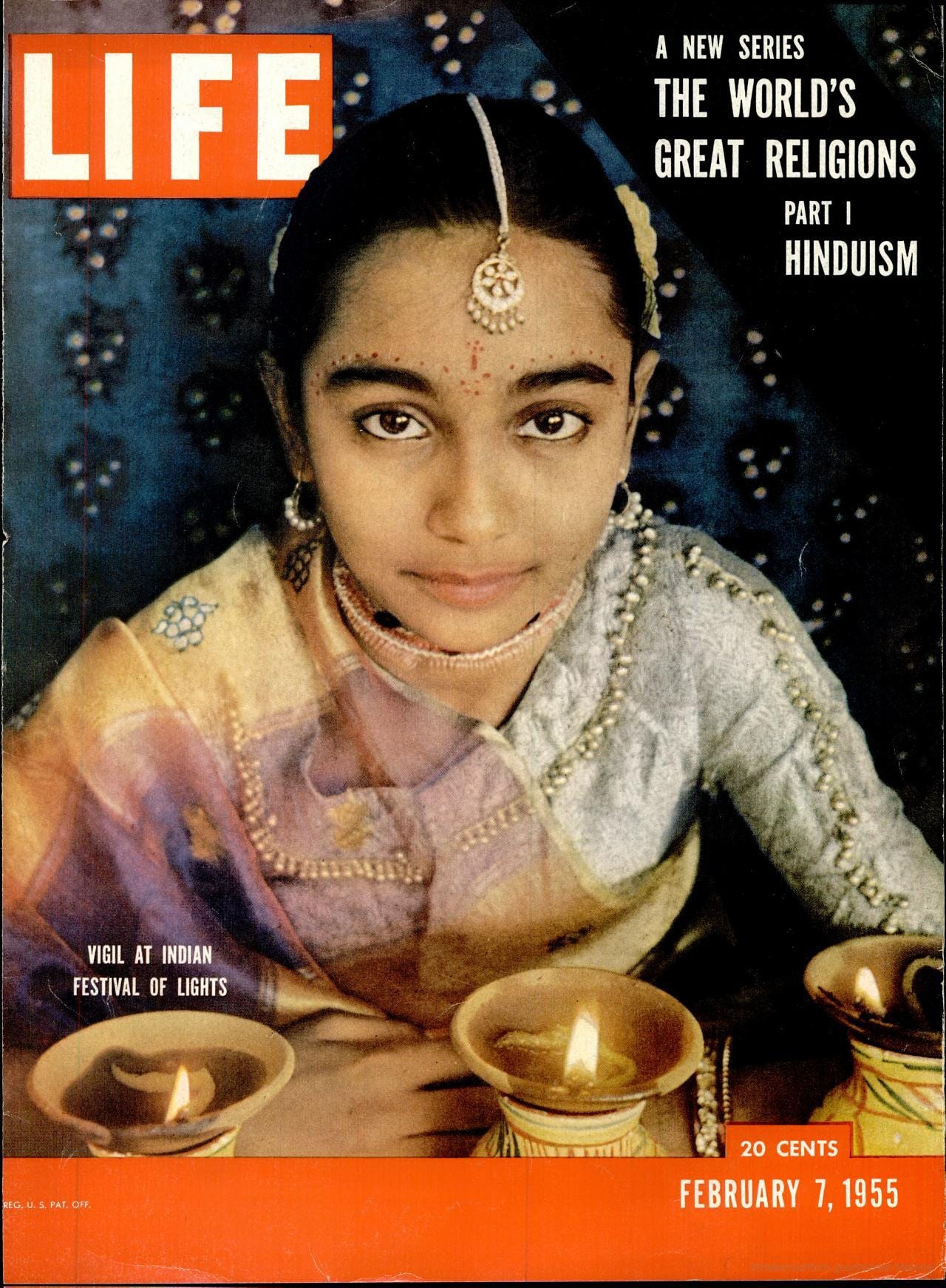
Full editions of LIFE magazine from 1936 to 1972 are archived on the Google Books website.
As well as the fascinating photo essays, I always enjoy the adverts for “slimming” Pepsi-Cola, “healthier” low-tar cigarettes, and for claims that in order to cure a common cold, reputable doctors recommend a particular brand of laxative, bringing a whole new level of jeopardy to an involuntary sneeze.

Leica Oskar Barnack Award 2026
The winners of the annual Leica Oskar Barnack Award were recently announced.
Damir Faizulin’s project, Preserving Nature as Preserving Ourselves, showing life in the Russian Caucasus mountains, was awarded first place.

Speaking about his work, Damir summed up the essence of what documentary photography can offer, suggesting that it “helps people from other parts of the world, or even from other parts of the same country, to see what is usually inaccessible, unclear or invisible in their everyday lives. It provides more information and, as a result, can create more tolerance and understanding towards a person from another cultural code, another region.”
Amen to that.
The Newcomer Award was presented to Laila AnnMarie Stevens for her photo essay documenting “a contemporary vision of family” in the Clayton Sisterhood Project.

LOBA Special Edition
Each year, Leica produces a printed collection of the winning and shortlisted entries. This year’s edition includes documentary work from Gaza to Utah and beyond.
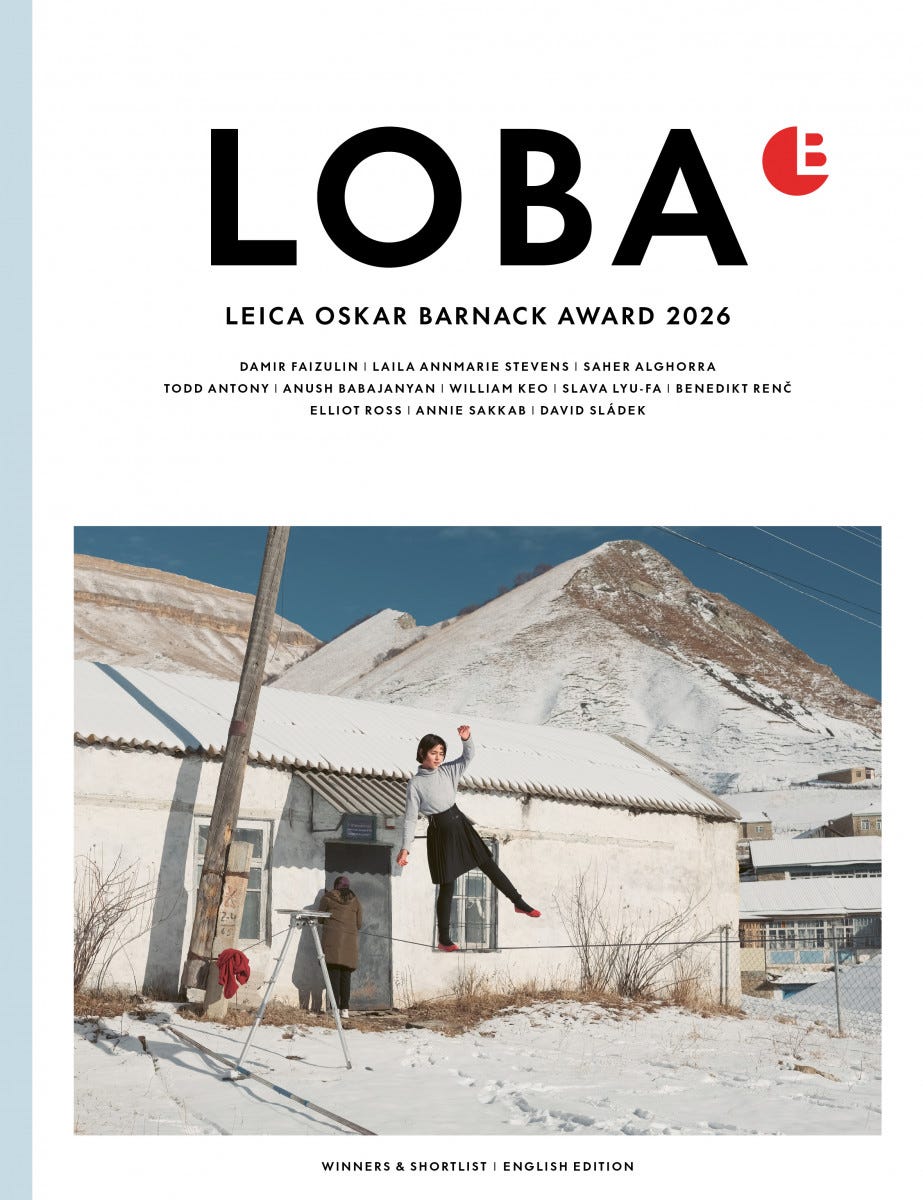
The Leica Oskar Barnack collection doesn’t only include the winning photographs – which would be inspiration enough – but also interviews with the photographers and context for their stories.
In an age when pictures are produced, shared and consumed at unprecedented speed, the significance of authentic photography gains new meaning. While artificially created imagery becomes increasingly perfect, and the line between reality and fiction blurrier, documentary and reportage photography continue to represent an indispensable testimony of our times. They are the result of true encounters, trust, patience, and the willingness to see and depict reality in all its complexity.
– Karin Rehn-Kaufmann, Leica Camera AG
Win copies of the Leica Oskar Barnack Award 2026 Special Edition
I have two copies of this year’s special edition to give away to readers. To enter, leave a comment below, describing what photography means to you in no more than three words. Winners will be drawn at random from all comments so you don’t need to overthink, but I’m interested to see what words appear.
And finally…
I think I’ve covered the end of the world as we know it. Now for some balance 😬
The new series of the BBC’s extraordinary Blue Planet documentary series has been a welcome distraction this week. It’s narrated by 100-year-old David Attenborough, which is reason enough to be cheerful.
It’s beautifully made, thoroughly entertaining, and includes many awe-inspiring moments, as illustrated by this footage of kids’ reactions at a screening.
Please remember to leave a comment below to be entered into the competition to win a copy of the Leica Oskar Barnack Award special edition magazine and if you have a friend who might like to enter too, please feel free to forward this edition to them.
Go well.

✤ Creative Inspiration
Lateral-thinking prompts, inspired by Brian Eno’s Oblique Strategies, designed with photographers in mind.

Read more and learn how to use my Creative Strategies for Photographers.

Thank you for this. I’ve been wanting to go to Visa Pour L’image since I first learned about it. Hoping to check it out next year. For me, photography means curiosity and discovery.
Welcome back. I do wish one of the world's billionaires would decide to sponsor the arts rather than another data centre. It'd be pocket change to them to ensure BJP or Life or even traditional long form National Geographic pieces could continue to be made, printed and affordably distributed.