

Rencontres d’Arles 2026
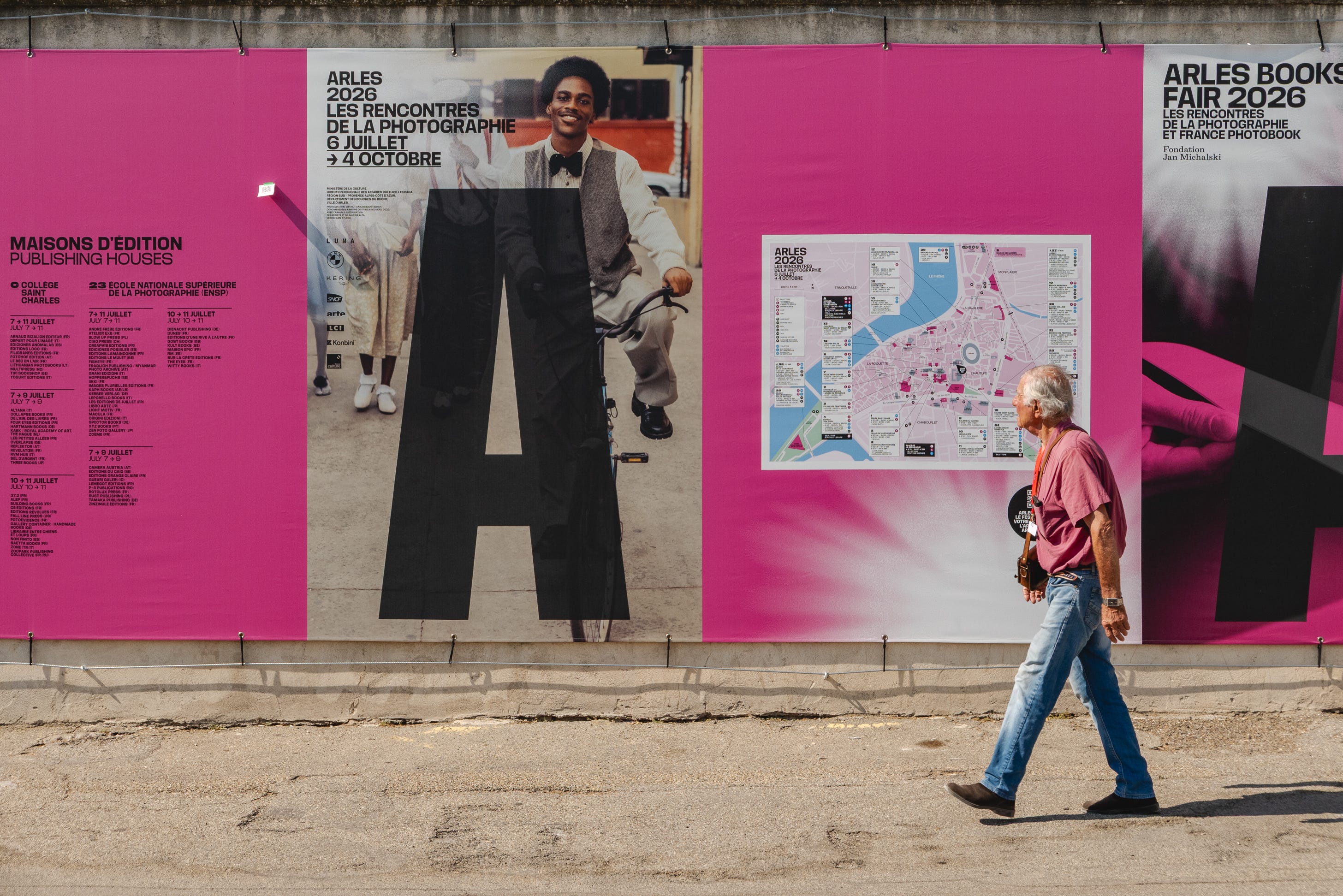
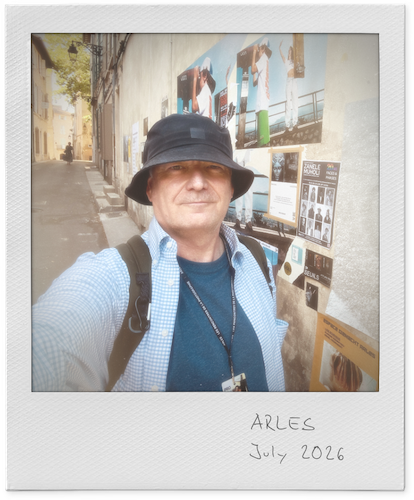
I am officially melting.
It’s 41°C. There’s no air-conditioning – and not even the distant hint of a breeze. The air in the city of Arles has emulsified into a hot soup that permeates the ancient stone walls. No surface is cool to the touch. Even the water in the wide river Rhône seems to be gently simmering.
I’m asking myself why I’ve come to the south of France in a heat wave. Yes, of course, this is home to “the world’s most prestigious photography festival”, but as the soles of my shoes begin to melt into the pavement, I’m genuinely trying to remember why I’m here.
The LensCulture website introduced the event as “a sprawling, thought-provoking photo festival” and said that it, “interrogates the boundary-breaking power of the image.”
At the end of the opening week, The Guardian reflected that this, the 57th edition of Rencontres d’Arles, had been “playful and quirky”.
A feature in Le Monde selects eight favourite exhibits, which “moved us, intrigued us or gave us pause”.
I agree. This year’s festival has been sprawling, stimulating, sometimes eccentric, occasionally moving – and inescapably hot.
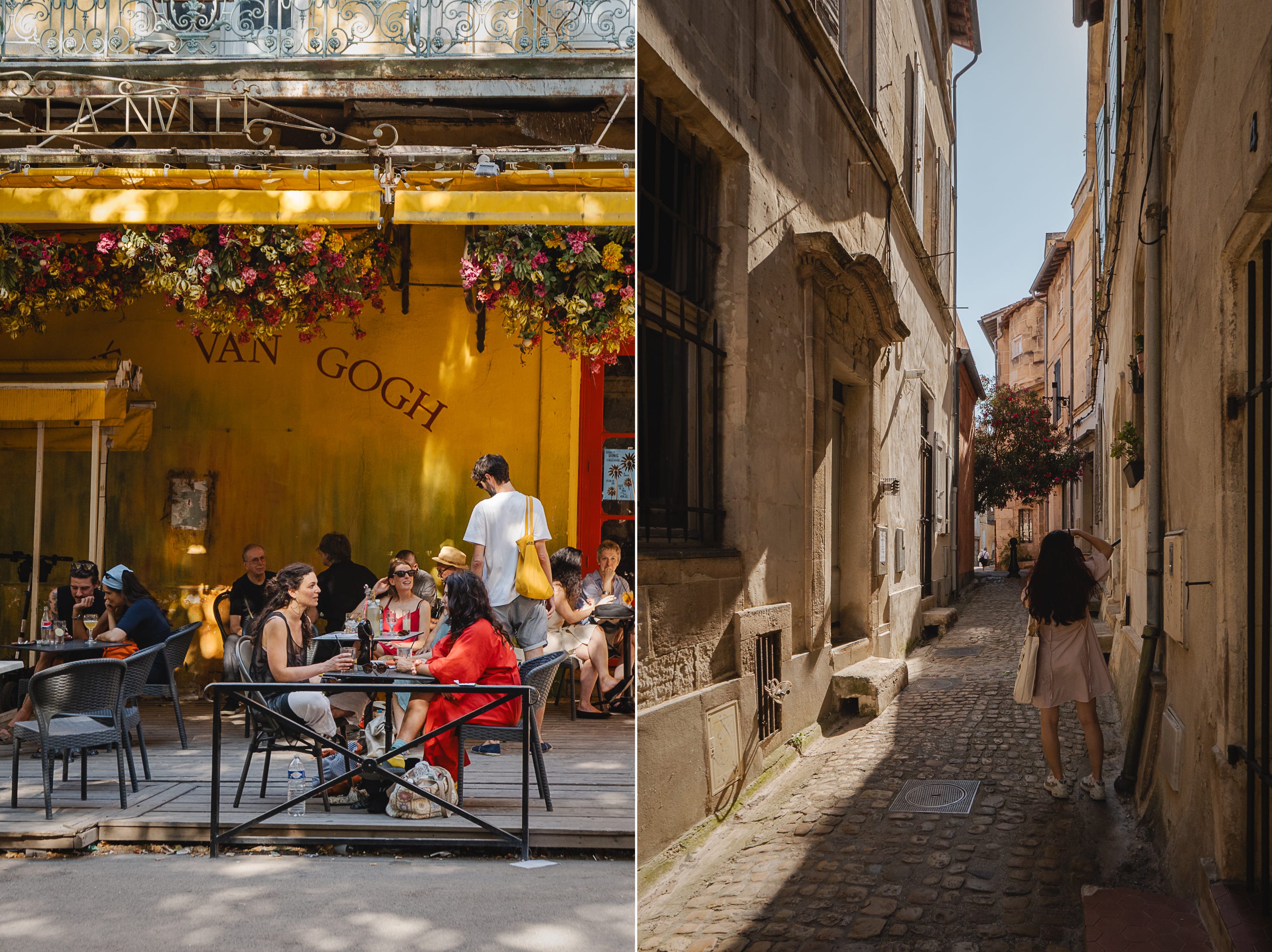
Some photographers come to Arles for the connections to editors, publishers and fellow photographers. Some come to view the numerous exhibitions, thirty-six official and countless more in the Off-Arles galleries, cafés, warehouses and street displays. Some come for the serendipitous inspiration that the festival inevitably provides. And many, myself included, come for all of the above.
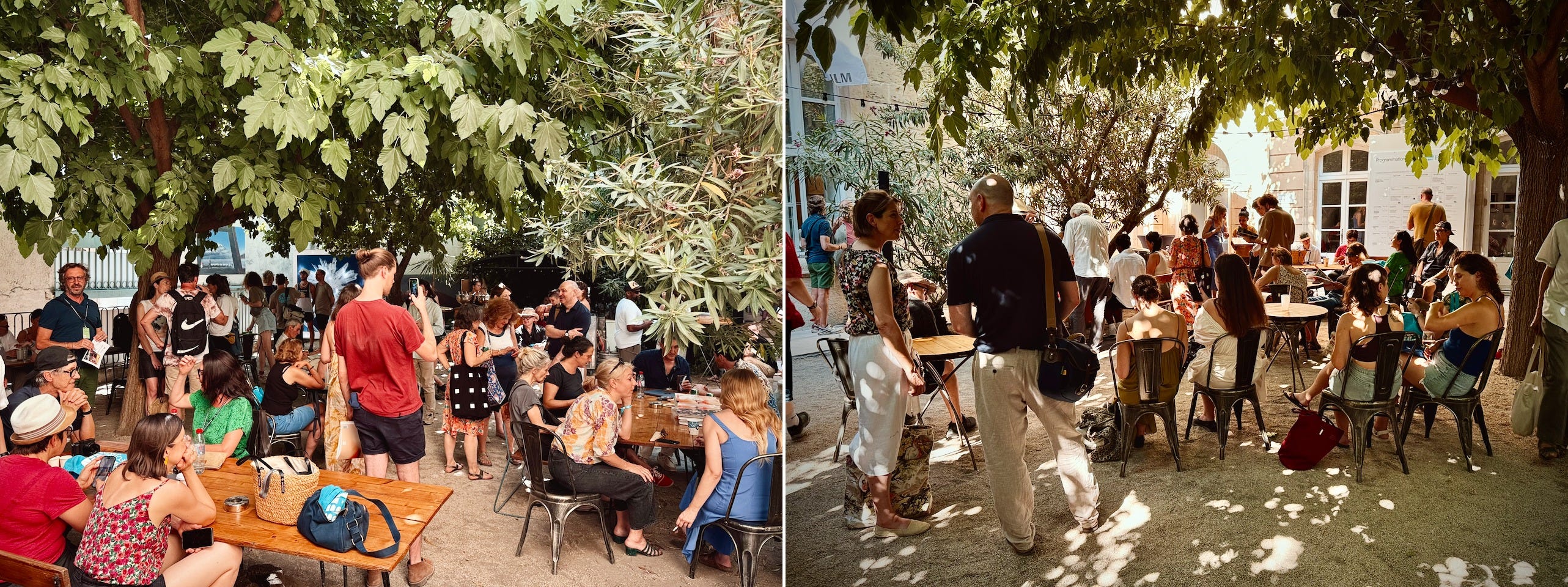
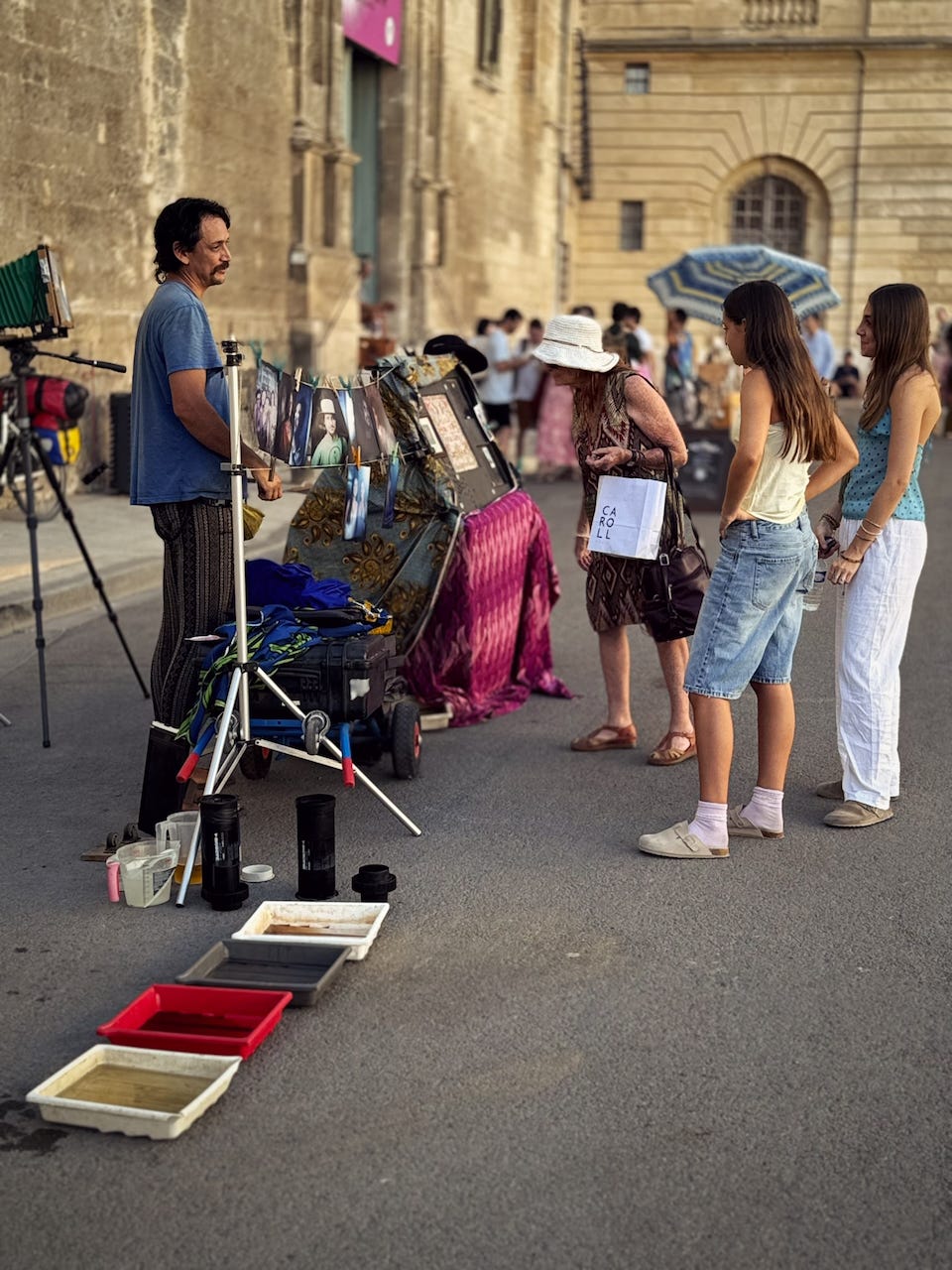
Wherever there’s a shady corner, you’re likely to find people gathering for workshops, photographer presentations and portfolio reviews. Drop a pin on a map of Arles this week and it’ll almost certainly land on a photography event. Arles might be the only place where you’ll find street buskers setting trays of developing and fixing solution on the pavement to print portraits to order.
Amidst the exhibitions and events, which are always rewarding, I also put my faith in finding some unexpected gems. Truth be told, it’s these unpredictable moments of discovery that make the heat (almost) bearable.
This week, I learned about two outstanding photography projects that I know I will remember long after the summer has faded. Neither was featured in the event programme, but they were waiting to be discovered. The first appeared as a book in a quiet corner of the Book Fair. The second comes from a photographer I met at a World Press Photo event.
Some photography projects are eye-catching because the images are beautiful in their own right. Some projects are notable for the social or emotional gravity they carry. These two examples dwell at the intersection, where beauty and gravity combine to create something greater than the sum of their parts. I hope you will enjoy them as much as I have.
Meeting Sofie by Snezhana von Büdingen-Dyba
“A pastoral hymn to difference”
I looked at many photography books this week but there was one in particular that I found utterly beguiling.
Russian photographer Snezhana von Büdingen-Dyba met 18-year-old Sofie and her family on their German farm in 2017. Sofie has Down’s syndrome, but, as you’ll see, it’s just one aspect of Sofie’s personality, not the defining characteristic of Snezhana’s photos.
“Sofie was in that awkward yet beautiful and thrilling age of transition from a girl to a woman, when every feeling is extremely intense and love seems to be the main purpose of life.”
– Snezhana von Büdingen-Dyba

It’s clear from the photos that in the years Snezhana visited Sofie and her family, the photographer succeeded in building a trusting bond. She introduces us to Sofie in playful moments and thoughtful moments, in quiet elegance and garden-wall-climbing cheekiness.

The poeticism of Meeting Sofie is captivating. The location, romantic and pastoral, could be the setting of a Renoir painting: soft light, dappled sun; sprawling greenery and rich fabrics; a world which is so free of friction and hostility that it doesn’t feel real at all. “Being on that farm is like being in a different time and space dimension,” von Büdingen-Dyba says. “The fairytale ambience in the yard, magical light that floods the house, and, of course, Sofie’s peaceful and harmonious nature.”
– From an article in the British Journal of Photography.
I’ve been trying to put my finger on exactly what it is about Snezhana’s pictures of Sofie that resonate with me so vividly. Yes, they are technically accomplished – a Hasselblad 500 and Kodak Portra film if my eyes don’t deceive me – but of course there’s much more to them than technical expertise.
It’s partly the sumptuous settings. The family estate seemingly provided an abundance of ready-made scenes – but that alone would not guarantee a memorable image.
There’s something else in these pictures – and I’m trying hard to resist a temptation to be overly sentimental about them. What is that ineffable quality? Perhaps you see it too?

Maybe the publisher’s website commentary can offer a clue:
“The most powerful aspect of this series is undoubtedly how universal the story it tells is. ‘Everyone can relate to that intensity of teenage feeling and I definitely recognise myself at that age in Sofie,’ von Büdingen-Dyba says, and she hopes other people will be able to recognise their own experiences when they look at the pictures too.”

Recognition. Is that what we see in these thoughtful pictures of Sofie?
That was Snezhana’s stated aim. She also said her hope is that “this insight would destroy any artificial boundaries built on prejudice and ignorance between us.”
What’s undoubtedly true is that a portrait photo can only hope to elicit a sense of recognition if the photographer has invested more than just time and technical expertise in their making. It requires – to use Snezhana’s words – “a deeper level of acceptance, integration and love”.

Snezhana’s photos of Sofie and her family have been widely exhibited and have been featured in dozens of magazines and websites, which makes me wonder why I’ve not seen them before. Nevertheless, I’m pleased that I discovered them this week and reassured that Arles has maintained its record of introducing me to unexpected, thought-provoking work.
Meeting Sofie is published by Le Bec en l’air and can be purchased online.

Shred the Patriarchy by Chantal Pinzi
Chantal Pinzi deliberately describes herself as a “visual activist”. Having seen her talk about the Shred the Patriarchy project at a World Press Photo event this week, it’s clear to see why.
In 2022, Chantal began photographing young women in Morocco who had taken up skateboarding. It’s more than a hobby for these women. It’s a choice that carries a real social cost in a society that still has an uneasy relationship with women’s roles.
Chantal has continued the project in India and Ethiopia, finding and photographing women who have picked up skateboards, and in doing so, are actively challenging expectations.
“They reclaim the freedom to imagine something different for themselves: to be a voice, not just an echo.”
– Chantal Pinzi

What strikes me most about the project is that Chantal does not separate the beauty of the images from their political message. The images promote and enhance the message.
“Skateboarding teaches you life. It teaches you to fall, to rise, and to keep going. And above all, when you’re on that board, you live freedom.”
– Chantal Pinzi

There’s an obvious sense of freedom in the pictures – and it’s as joyful as it is hard-won. Chantal explained that her aim is to document how “the skate subculture can be a tool to promote empowerment and social inclusion”. Looking at the collection of images on her website, it would be hard to argue that she hasn’t succeeded.

It’s no surprise the project has earned serious recognition, including first place in the Sport category at the 2025 Sony World Photography Awards.

With youthful exuberance and unabashed joy, these young women are flying, doing what they love, not only what they’re told. Proof that in determined hands, even something as simple as a skateboard can be a positive force in the world.

You can keep up to date with the project on Chantal Pinzi’s Instagram account.
“A true portrait can never hide the inner life of its subject. It is interesting that in our culture we hide and cover the body, yet our faces are naked. Through a person’s face we can potentially see everything – the history and depth of that person’s life as well as their connection to an even deeper universal presence.”
– Joyce Tenneson
The Wider Angle
Harry Gruyaert documentary

Harry Gruyaert has been in Arles for his retrospective exhibition. He was briefly introduced to a small group of people; he gave a nod of appreciation, then walked around the exhibition like any other visitor.
It seemed like a characteristically unassuming introduction: “Here I am. Here’s my work. Thanks for coming. Have a lovely afternoon.”
There’s an excellent, one-hour documentary on The Darkroom Rumour website, which explores Harry’s relationship with colour. It’s a subject I wrote about in Beyond the Frame 97/.
Reminder: Beyond the Frame Founder Member subscribers receive a six-month subscription to The Darkroom Rumour. It’s one of the perks you can find on Substack’s new Subscriber Perks page.
Your Current Weather as a Rothko
The weather in Arles this week, if represented by Mark Rothko, would most likely be his Yellow Band painting from 1956. At least, that’s according to the Current Rothko website, where you can discover what Rothko artwork best illustrates the weather where you are.

And finally…
One exhibition venue I returned to several times was in a former chapel, the Église Saint-Anne. The work on display was engaging, but I have to admit that the main appeal in a city where air-conditioning is a rarity was the oversized fan.
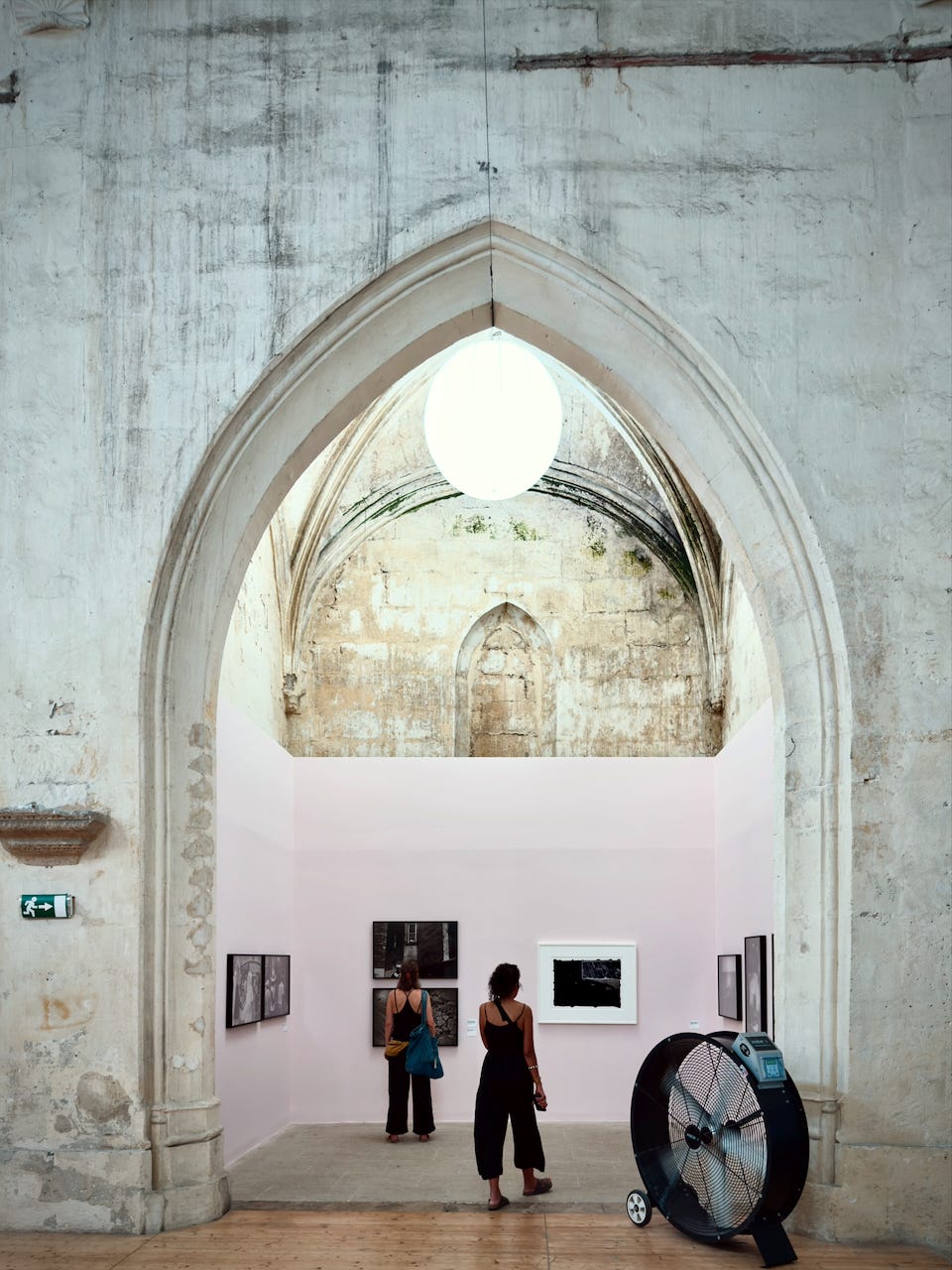
I wasn’t the only one to appreciate the cooling breeze. Watching visitors’ reactions as they encountered the fan was an unexpected exhibition bonus.
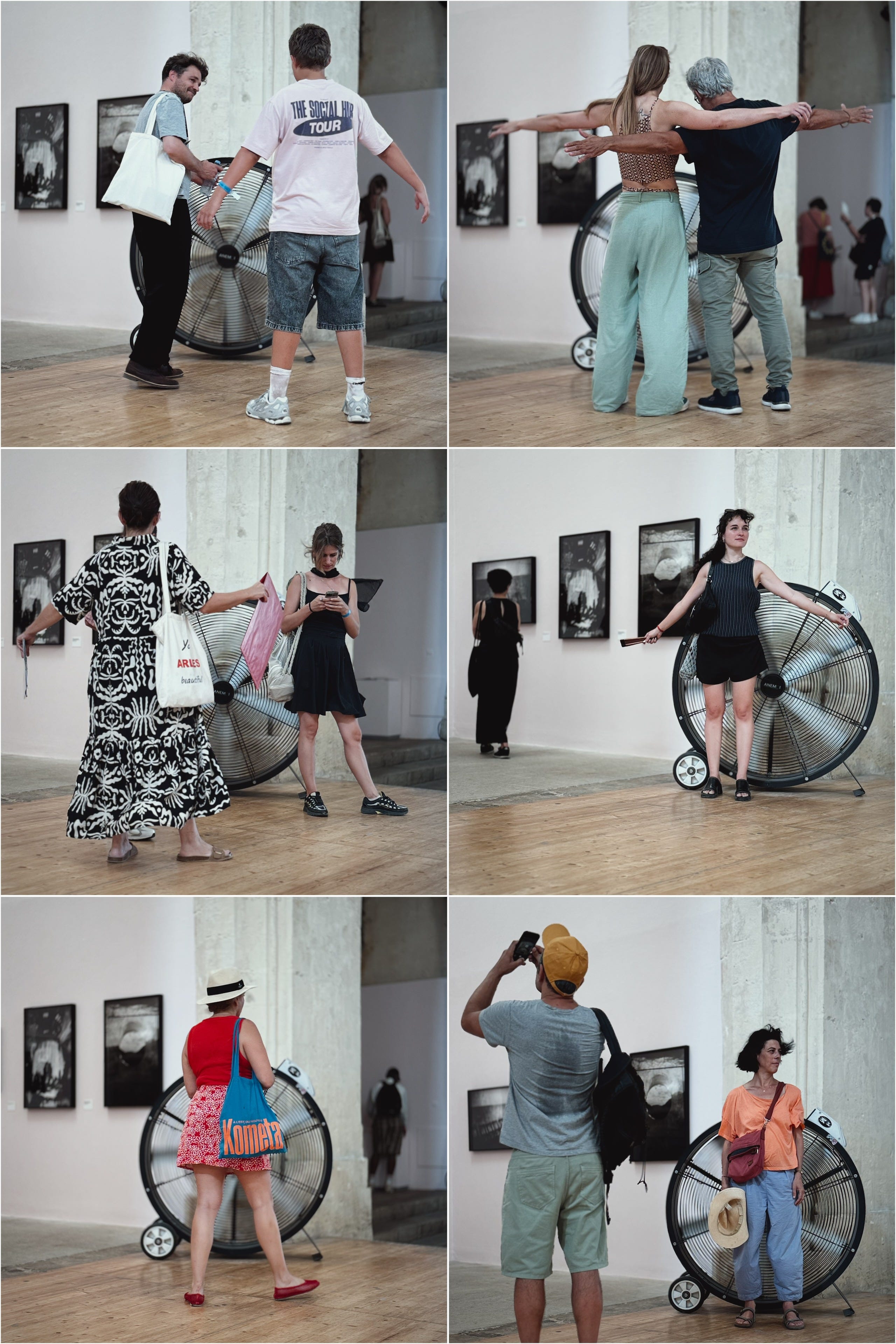
Photography enthusiasts are heading home from Arles this weekend. Additional train carriages may be required just to accommodate all the free tote bags.
The posters might be starting to peel from the walls in Arles, but the exhibitions remain open until 4 October 2026.
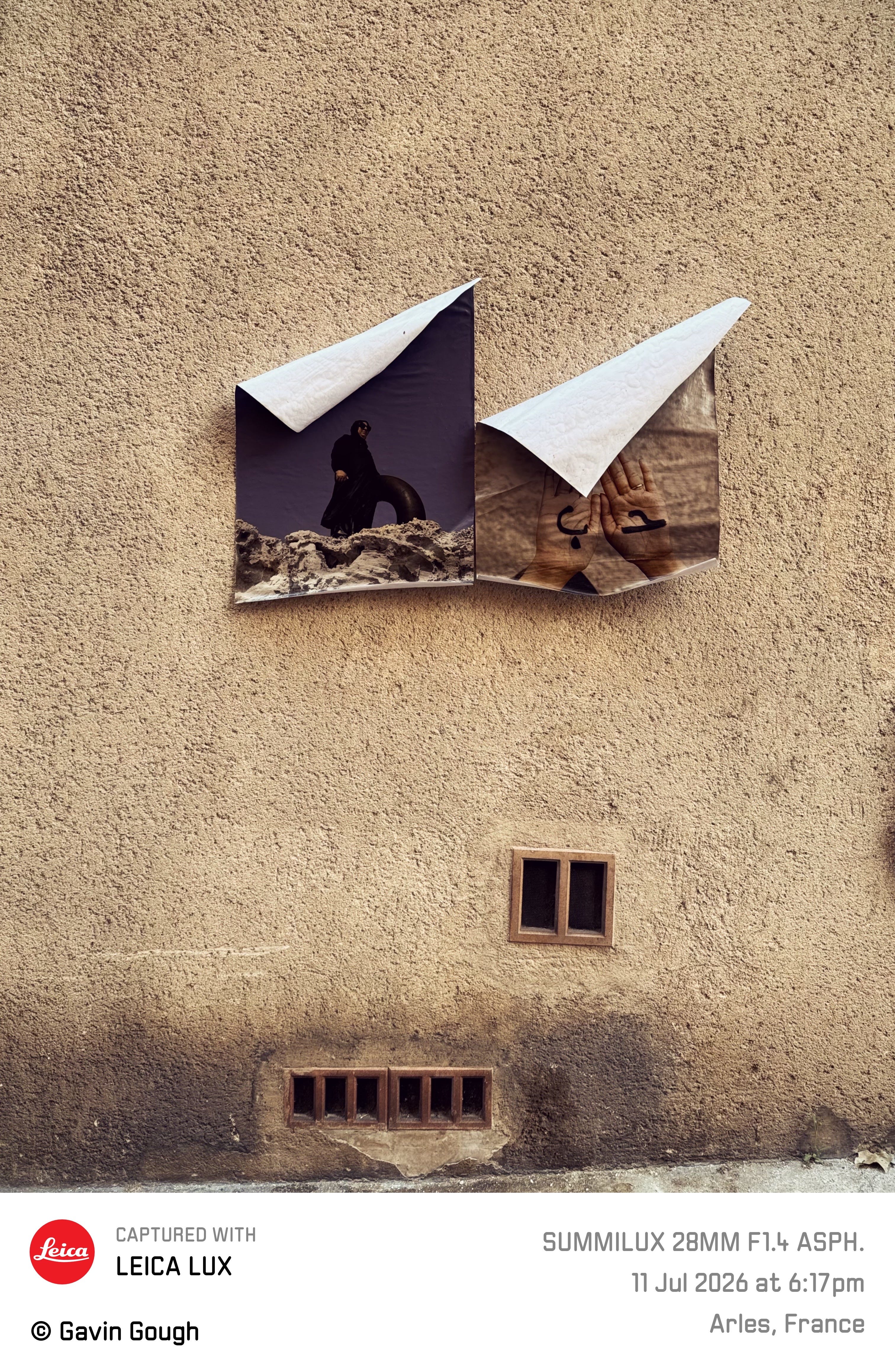
I’m heading directly to the cool, cool air of the Swiss Alps. Wherever you are and whatever you’re doing, I hope you’re not melting.
Go well.

✤ Creative Inspiration
Lateral-thinking prompts, inspired by Brian Eno’s Oblique Strategies, designed with photographers in mind.

Read more and learn how to use my Oblique Strategies for Photographers.

Wow! I just love Chantal Pinzi's skateboarders - and I love what she's up to with her work. Really wonderful. Thanks for sharing these.