

Embracing the Imperfection
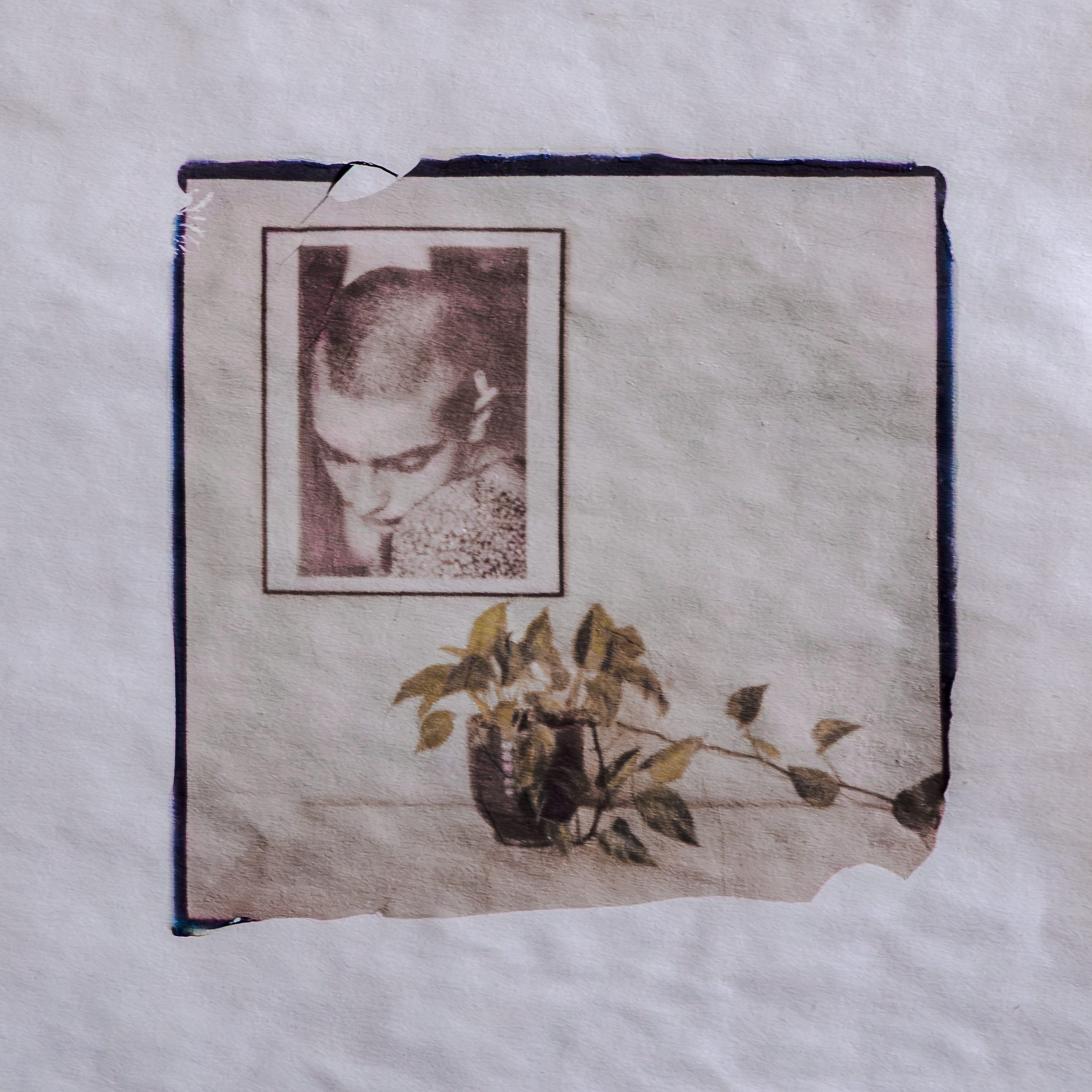
Torn. Misaligned. Imprecise. Flawed.
Words that would accurately describe my first attempt at a Polaroid ‘emulsion lift’ technique.
The process of lifting the emulsion layer from a Polaroid intrigued me. It appeared on a random YouTube video. This is what the algorithm offers when you watch too many obscure darkroom printing videos.
An emulsion lift is a delicate process. The Polaroid print has to be soaked in a tray of water at just the right temperature. The emulsion layer will slowly detach from its protective coating. Once released, it swims, rolling and folding through the water like a languid jellyfish, resisting attempts to gently coax it onto a sheet of paper.
As you can see, my first test was not wildly successful. I need heavier paper – and more patience. But even the unresolved, imperfect result feels closer to something more authentic than a pixel-perfect AI-generated image might. The process is tactile and the result is a tangible thing that actually exists in the real world.
My second attempt fared no better, but I learned that darker areas of the print seem slightly more robust than lighter shades – exposure translated into physical form.
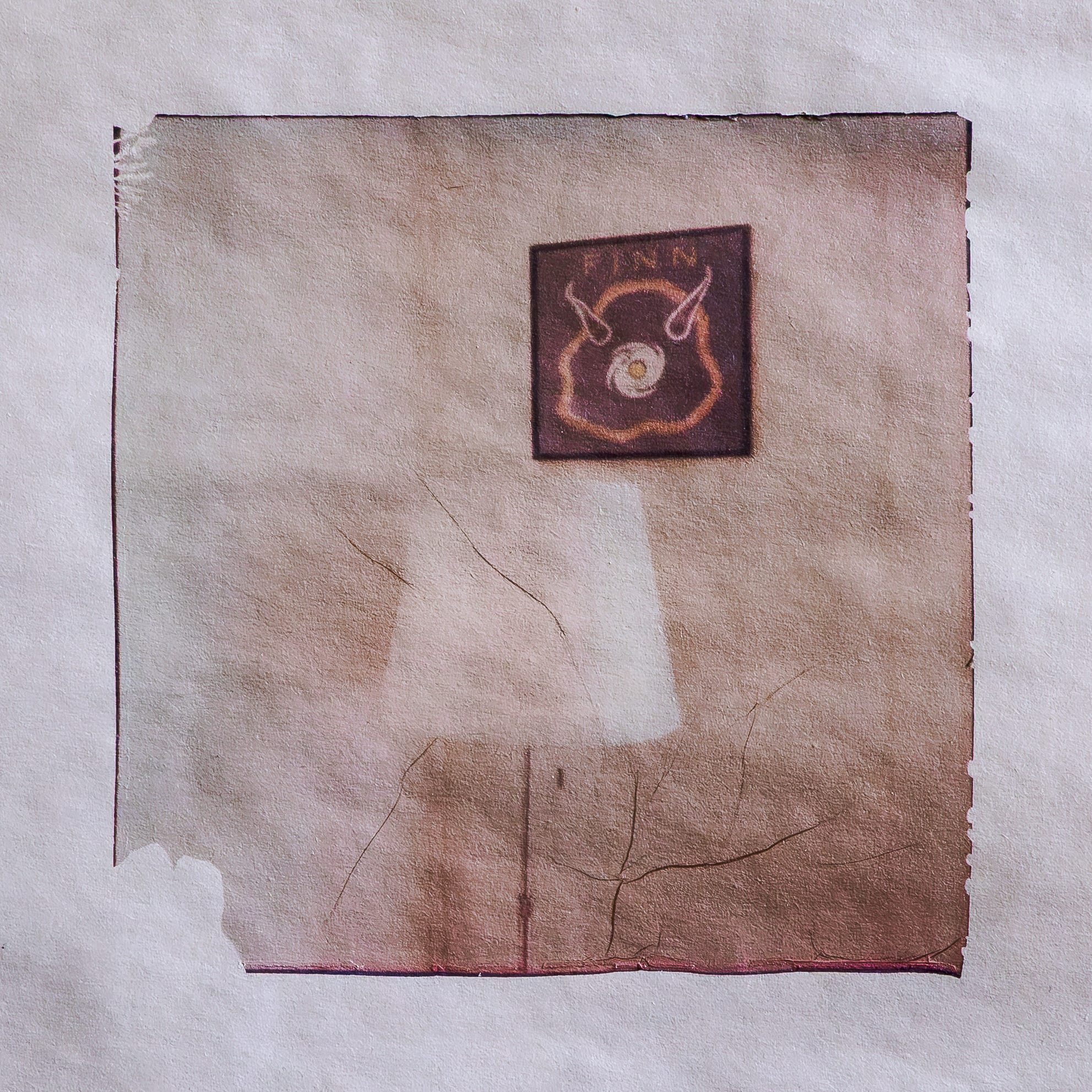
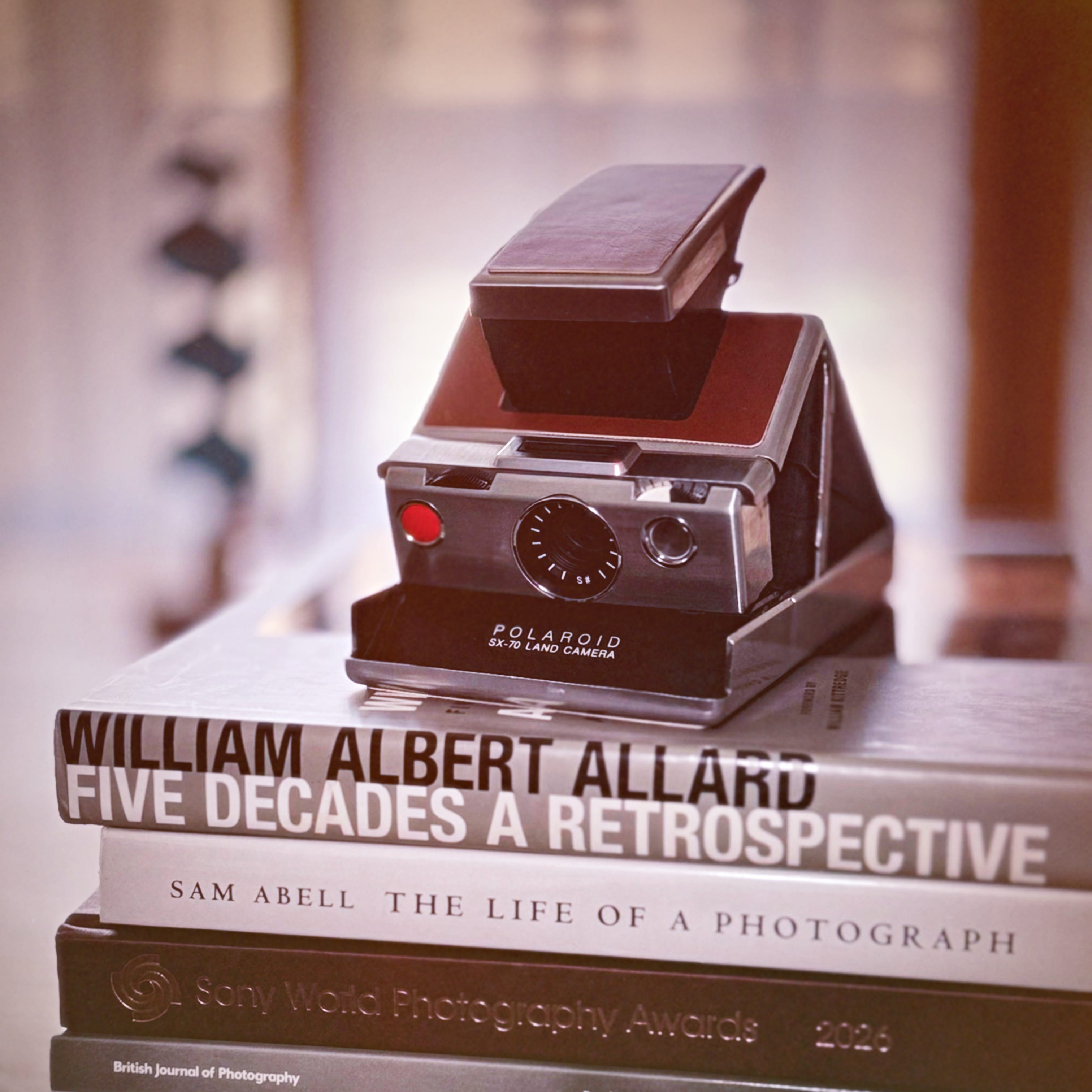
For me, the appeal isn’t simply nostalgia for wet printing – although it did give me an excuse to buy some developer trays – it’s about giving purpose to a 55-year-old camera and appreciating the imperfect results of an analogue process.
This is a small, domestic version of a much larger question – one that three photo projects answer at far greater cost: what happens when an image is flawed and can the act of reclamation give it new meaning?
There are three photo book projects featured in this edition. I’ve included a video flip-through for each edition so you can get a sense of each book’s contents.
Open by Morgan Ashcom
American photographer Morgan Ashcom was in occupied Palestine in 2009. “I was interested in photographing daily life,” says Ashcom. He immersed himself in a local community on the West Bank. “I ended up hanging out in the pool hall, just doing many of the typical things you find in any other city.”
Ashcom’s partner had been working with Tomorrow’s Youth Organisation, an NGO that provides support to refugees, especially children. He’d travelled to Palestine so they could spend time together at the end of her assignment. His stay was punctuated by countless searches by Israeli security forces. “There’s a tonne of checkpoints when you’re separated from your things,” Ashcom reflects. “You’re brought into a room and asked questions, and you have no idea what they’re doing to your stuff.”
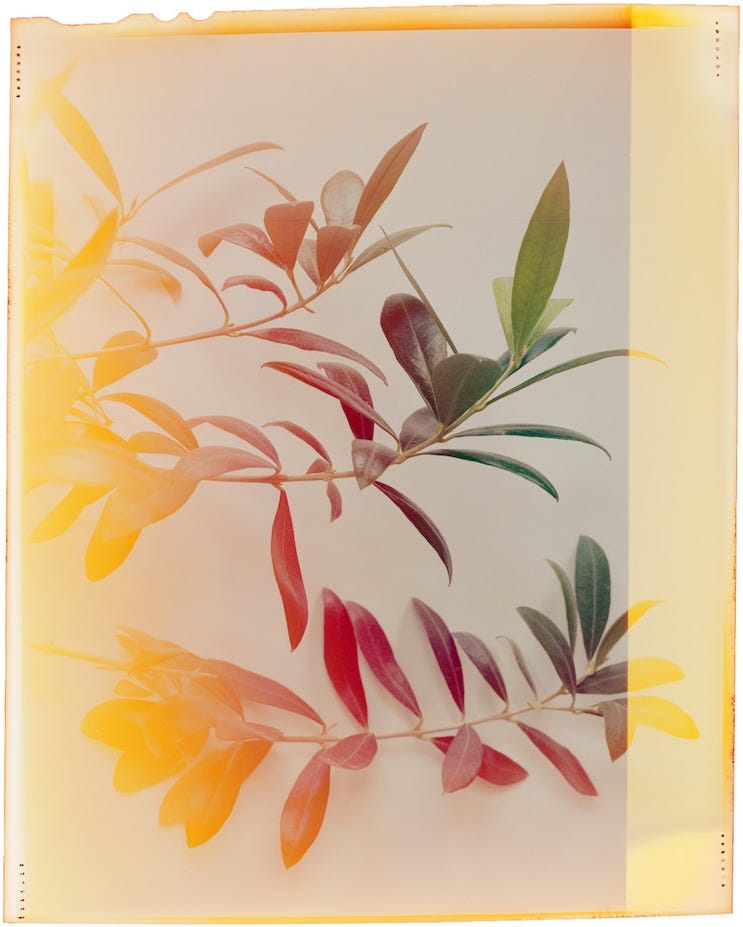
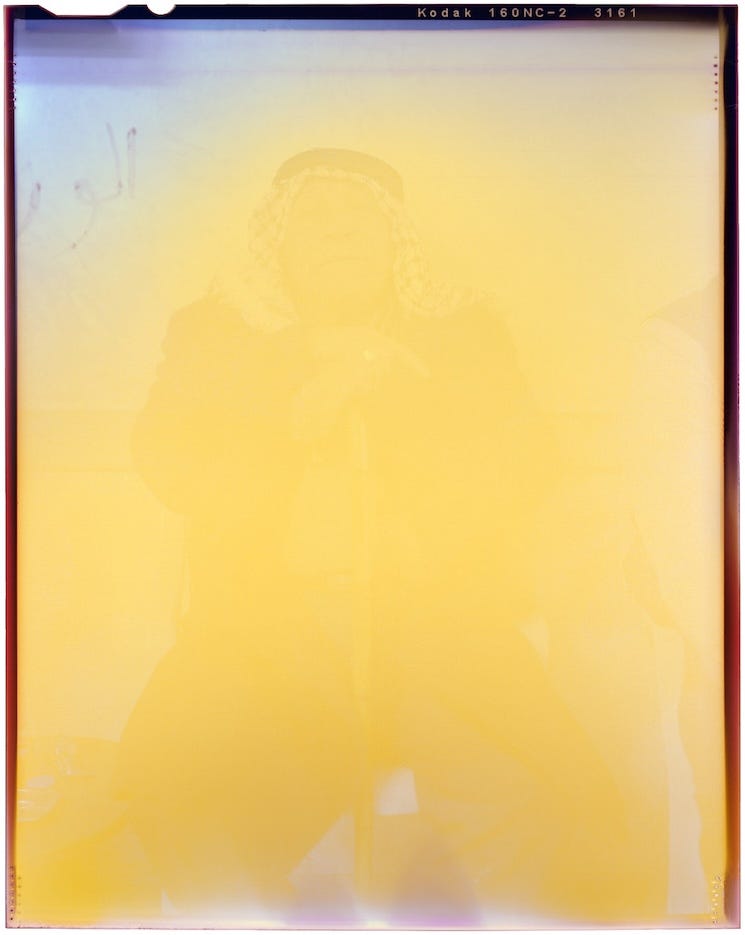
During one search, Ashcom’s unprocessed films were – perhaps intentionally – exposed to the light, corrupting the negatives.
Back home in Charlottesville, Ashcom discovered the damaged negatives. “I was in tears when I realised. I felt I’d wasted a lot of people’s time.” He put the films in a drawer, where they sat, unexamined, for over a decade.
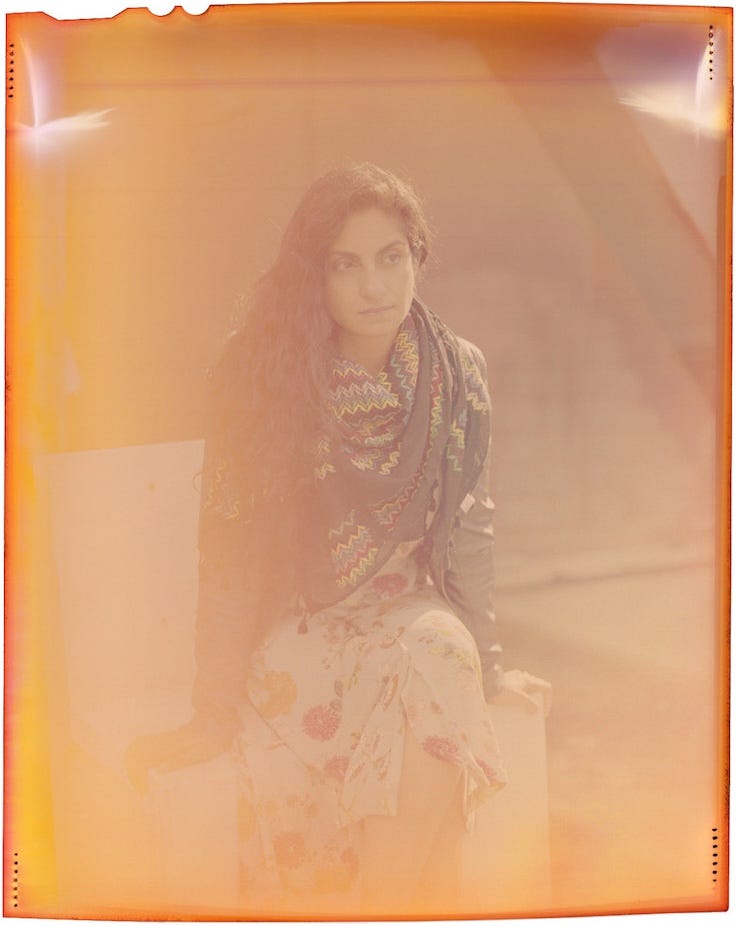
Ashcom eventually revisited the negatives and saw them in a new context. The images he had intended to make had been lost, but in their place was a representation of oppression, a visual metaphor for the damage inflicted upon a marginalised community.
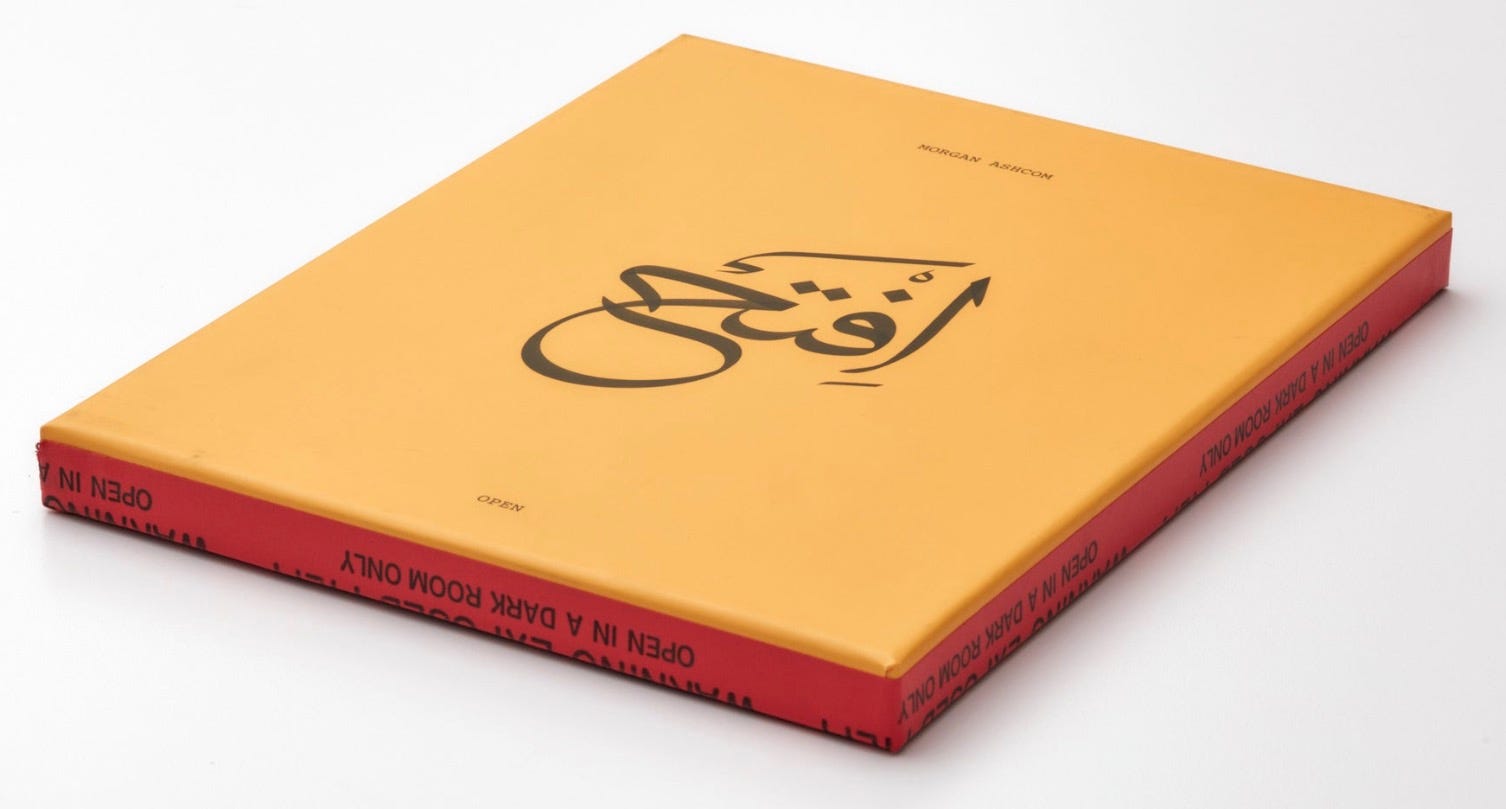
Ashcom’s book,Open, is packaged in a yellow box bound with red tape that reads: “WARNING: EXPOSED FILM – OPEN IN A DARK ROOM ONLY”, requiring readers to re-enact the original violation of his work.
Many of the frames are burnt out almost beyond recognition, the subjects’ identities obscured and reduced to ghostly memories of the people Ashcom met.
“It took me 10 years to realise that when the world intervenes – and it can seem like a dark intervention – there is a way to take the weight of that action and turn it against itself and change it into something positive.”
– Morgan Ashcom
Open is published by Gnomic Book.
Red Horse by Sasha Kurmaz
“A visceral album of living in the realities of modern conflict, specifically the war in Ukraine.” This is how Jermaine Francis, a judge for the prestigious Kraszna-Krausz Book Award for 2026, described Red Horse by Sasha Kurmaz.
The book is a personal chronicle of the war in Ukraine, by an artist born and raised in Kyiv. It contains collages of documentary photos, sketches, found images and materials collected from the street.
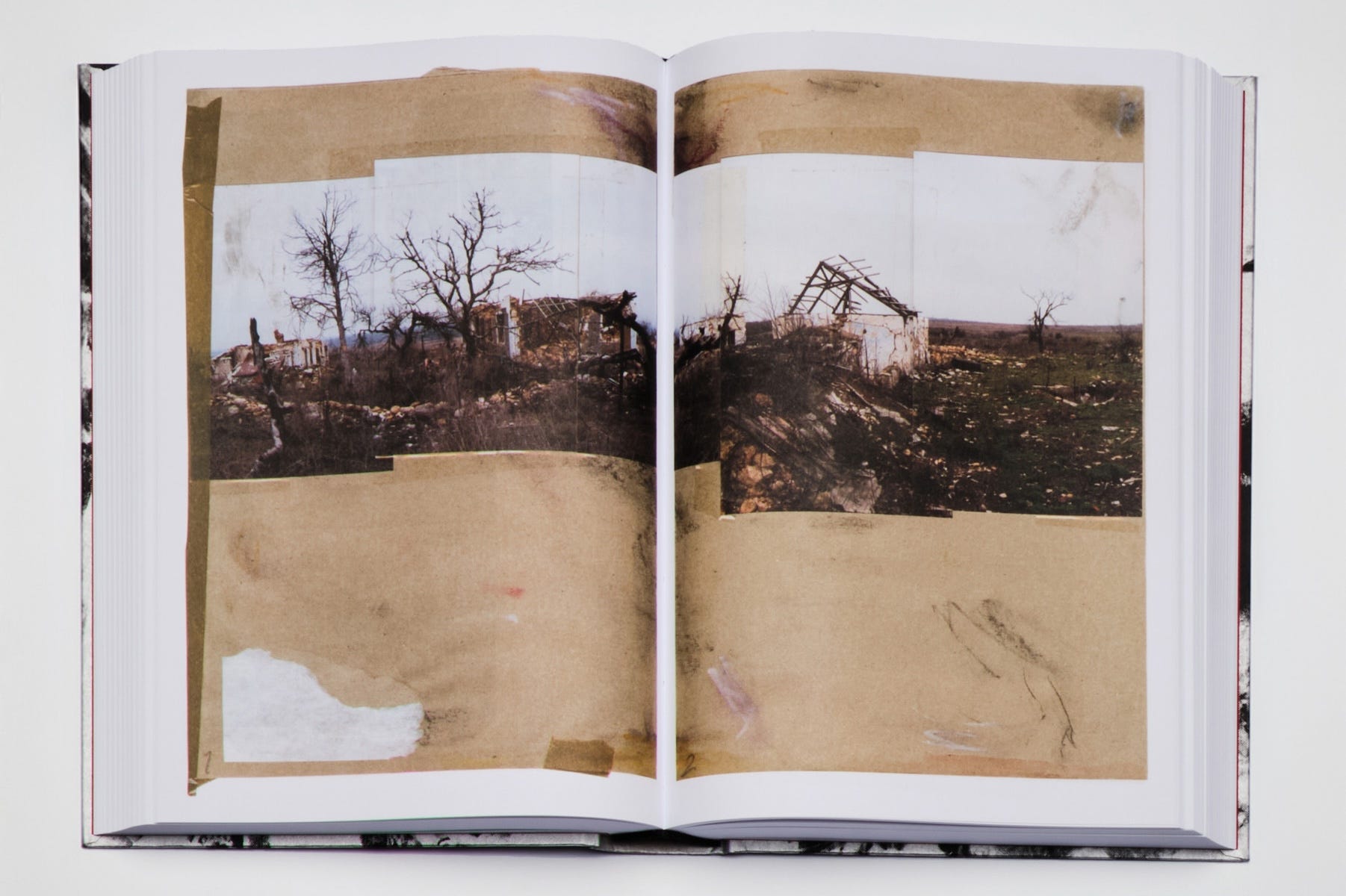
Red Horse is more than a visual diary; it is an archive of a life constantly reshaped by the war. There’s a haphazard urgency to the collages, as if the author were hurrying to collect things that might be lost to the conflict. Seemingly unimportant pieces of cardboard and fragments of camouflage material become precious artefacts through the act of reclamation. Their value is reassessed under the threat of obliteration.
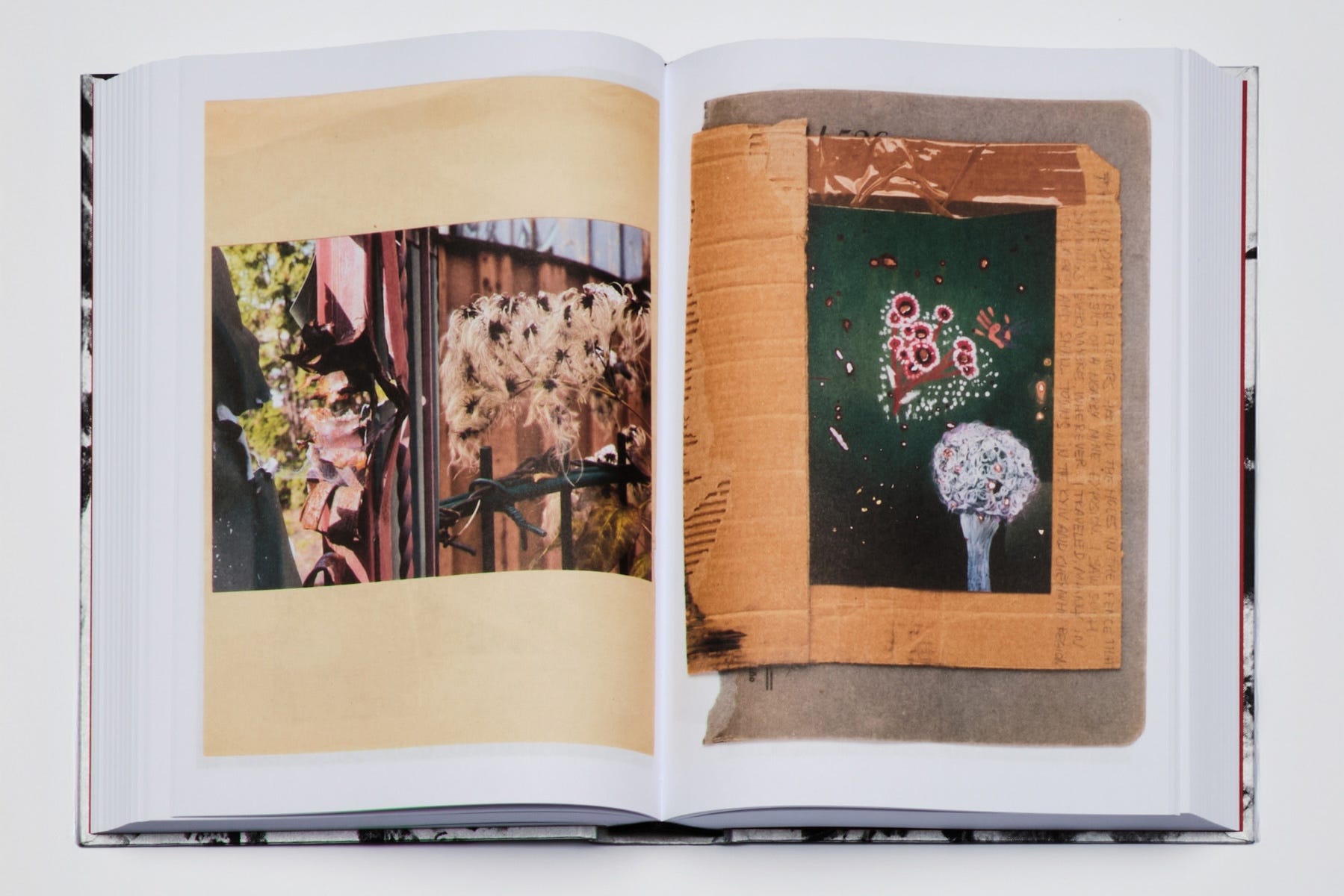
Looking at the pages of Red Horse from a comfortable, peaceful location, it’s hard not to re-examine the everyday items we discard. Everything becomes precious when there are bomb craters and burnt bodies in the street outside.
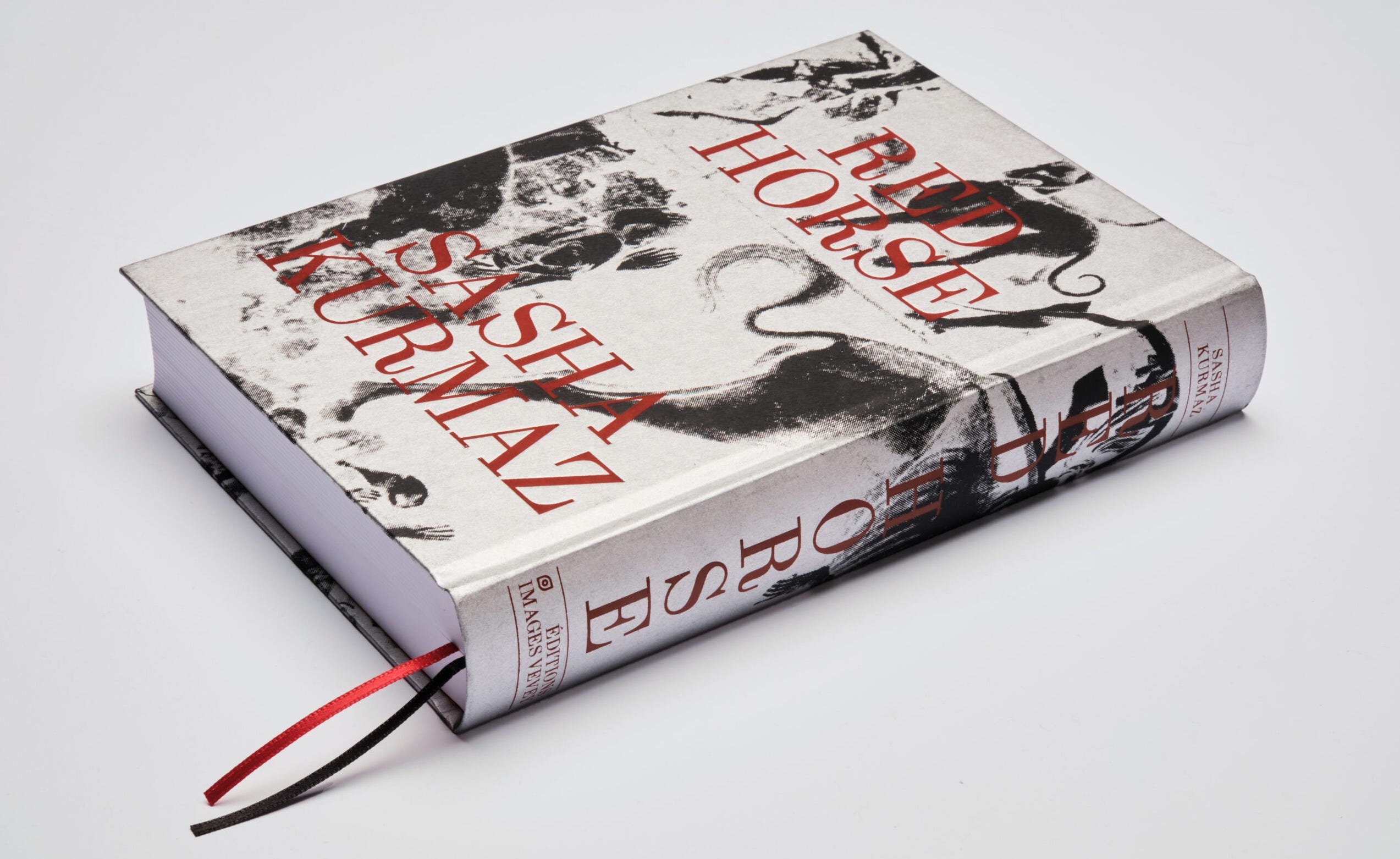
Speaking about Red Horse, writer and judge Fiona Rogers commented, “Kurmaz evokes the fragmentation and instability of life amid the ongoing Russian invasion of Ukraine, assembling visual traces of his own experience into a form that feels at once chaotic and profoundly human. The result is a moving and visually compelling work – quietly powerful in its politics, and resonant in its emotional depth. A truly outstanding winner.”
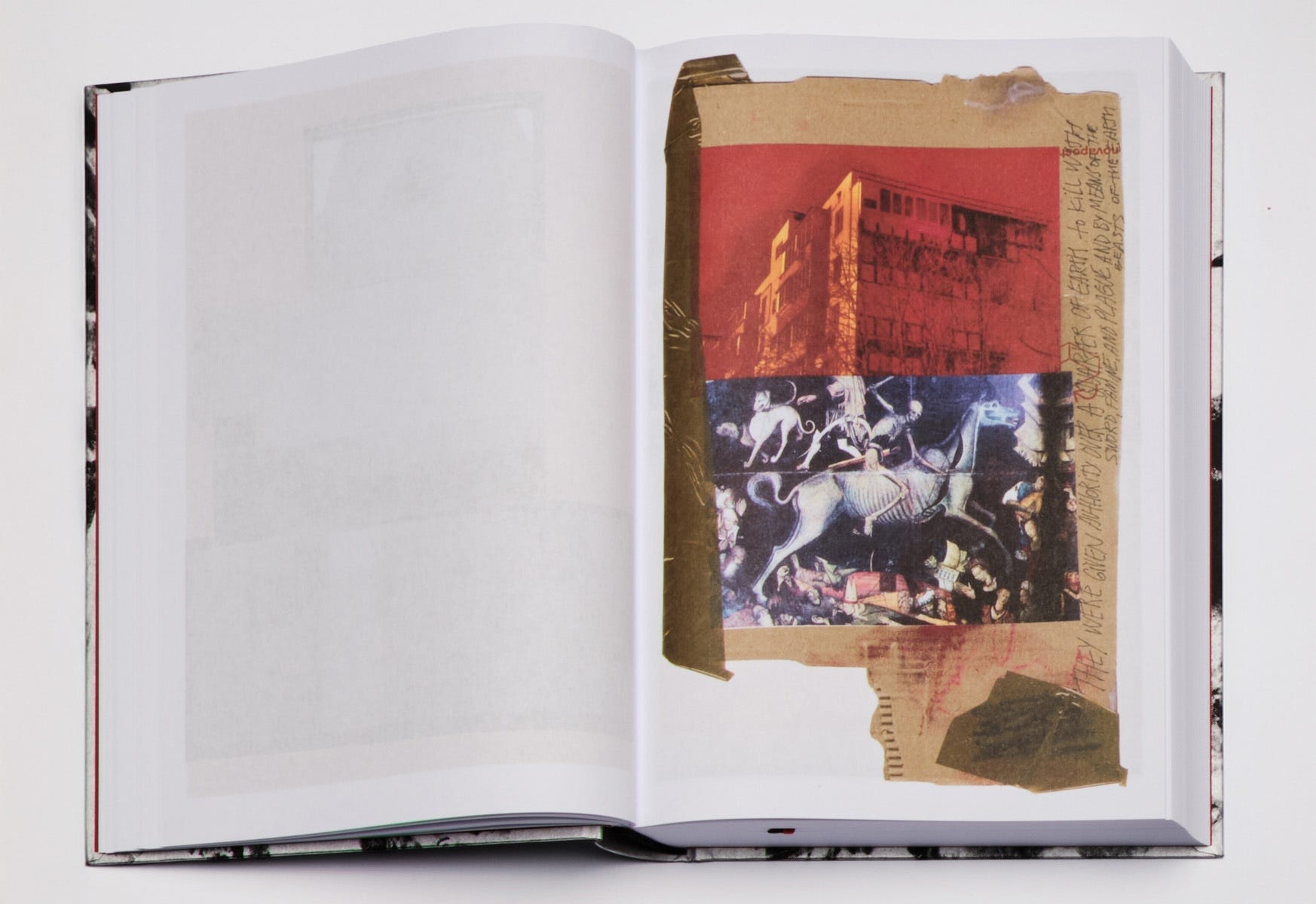
Red Horse is published by Éditions Images Vevey.
More photos from the award’s shortlisted books can be seen in this gallery in The Guardian.
And They Laughed at Me by Newsha Tavakolian
“Crooked, out-of-focus snapshots” is how Newsha Tavakolian describes the photos she made as a young photographer in Iran.
Newsha recently searched through her archives, selecting photos that were never meant to be shown. She picked the technically ‘flawed’ images which reveal mistakes that every photographer makes when they are learning how to work with light and composition.
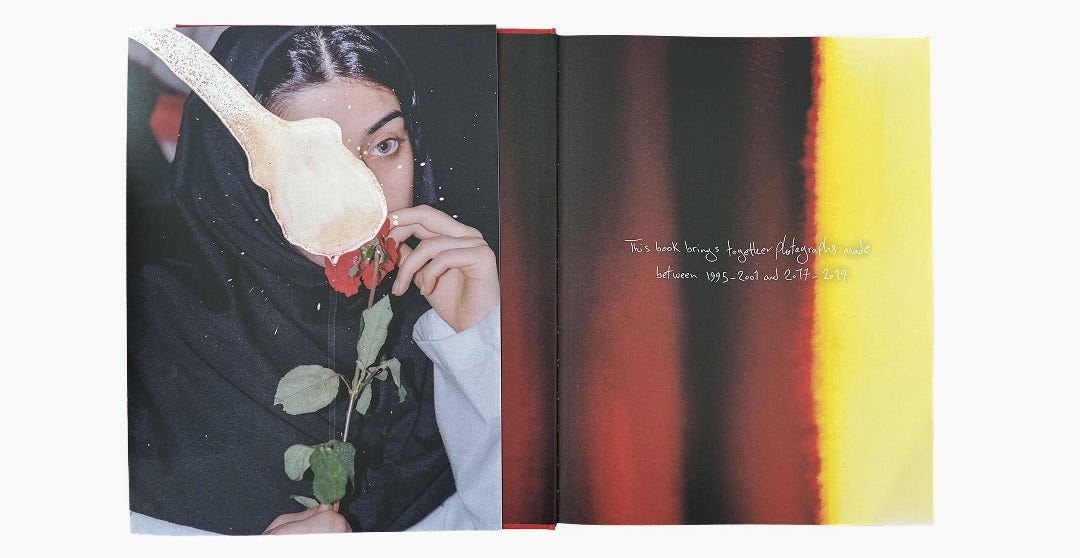
It’s an unusual approach that most of us would shy away from. Newsha used her outtakes to explore her motivations, to understand the evolution of her approach to photography.
Some images are poorly composed; others are blurred or over-exposed. Yet they capture a moment in time and are arguably all the more powerful for their informal, imperfect and imprecise execution.
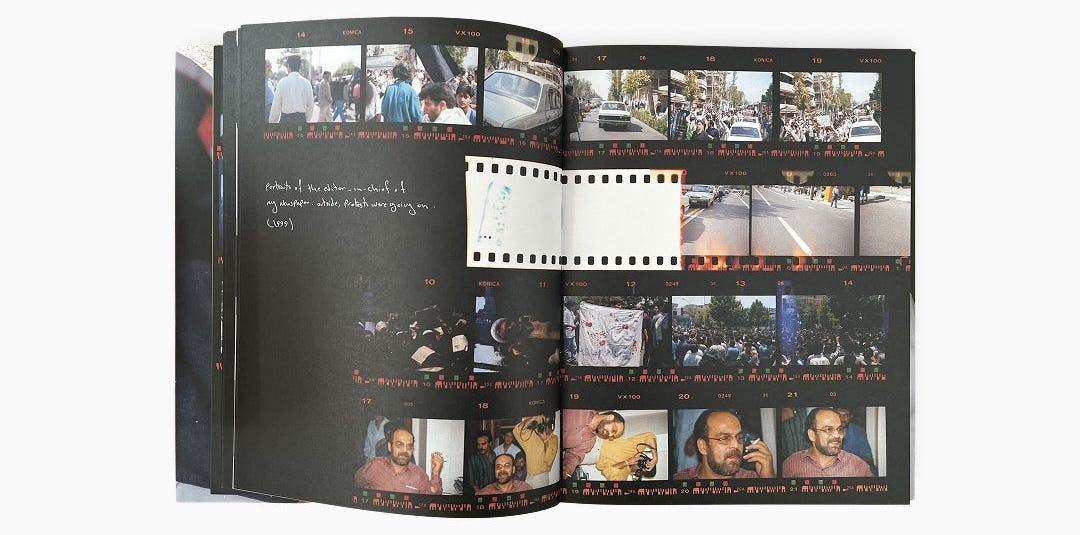
The book becomes a rite of passage. By re-examining images she had previously dismissed, Newsha reframes the imperfect through an act of persistence. It becomes a meditation on two sides of the same coin: self-doubt and resilience.
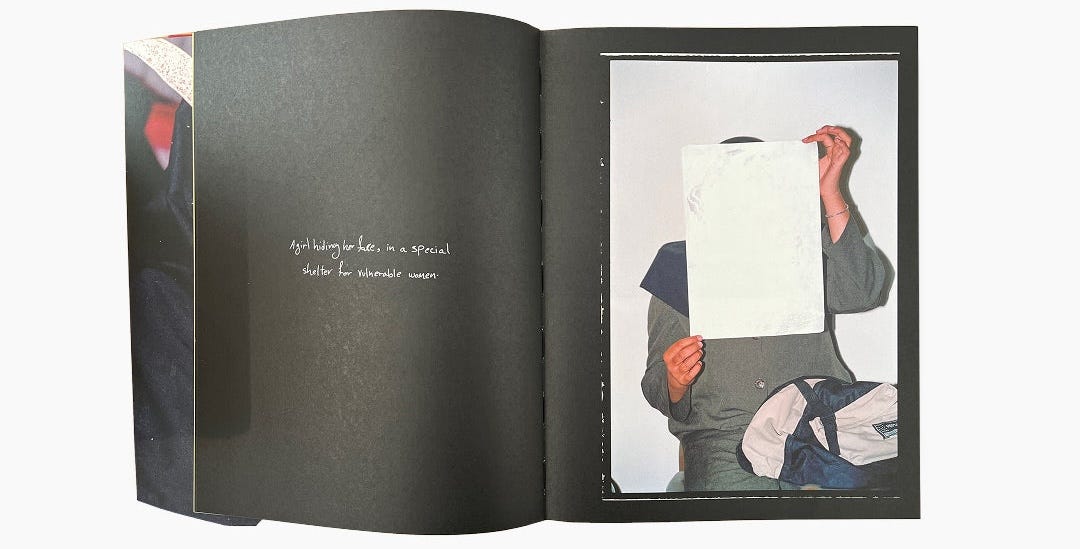
Tavakolian is now older and more weathered both professionally and personally. The death of her father and the death knell of politics in Iran have shifted her perspective on life. In “And They Laughed at Me”, she is acknowledging that the past cannot be changed or erased, but must ultimately be accepted in order to be able to move forward.
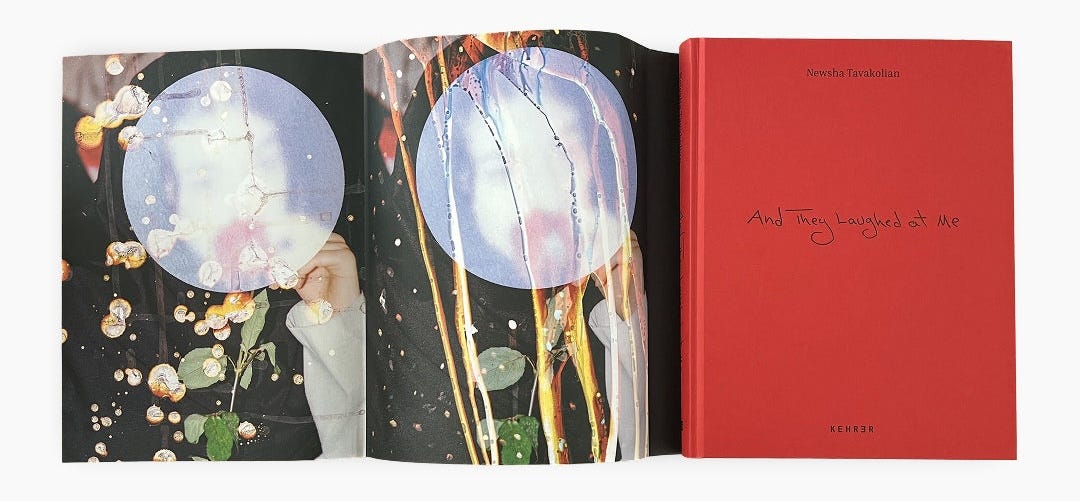
And They Laughed at Me is published by Kehrer Verlag.
“Perfectionism is the voice of the oppressor, the enemy of the people. It will keep you cramped and insane your whole life, and it is the main obstacle between you and a shitty first draft. I think perfectionism is based on the obsessive belief that if you run carefully enough, hitting each stepping-stone just right, you won’t have to die. The truth is that you will die anyway and that a lot of people who aren’t even looking at their feet are going to do a whole lot better than you, and have a lot more fun while they’re doing it.”
– Anne Lamott
The Wider Angle
A Really Bad Photographer
As we’re embracing the imperfect in this edition, we can celebrate the fact that Icelandair’s recent media campaign to find a “really bad photographer” prompted over 127,000 entries from photographers happy to admit as much. A spokesperson for Icelandair mused, “It turns out there are a lot more bad photographers out there than we ever expected.”
Blanche Mortemard rose to the top of the pile – or sank to the bottom. Either way, Blanche has won $50,000 and a ten-day, all-expenses-paid trip to Iceland, where she will deploy her award-winning but lacklustre photography skills.

You can follow Blanche’s adventures on Icelandair’s Instagram channel – and marvel at the airline’s clever marketing strategy.
Follow Your Intuition Workshop
28 September to 2 October 2026 New York, USA
Magnum photographer Bieke Depoorter will be leading a workshop in New York this autumn. The workshop’s objective is to “define a personal direction and begin engaging intuitively with the city”, which seems like an admirable goal to me.
“I would like us to embrace our doubts and dare to speak about them together, to collectively explore why we sometimes feel reluctant to photograph certain things, what holds us back, and what these hesitations might reveal.”
– Bieke Depoorter

The workshop is suitable for photographers of all levels and you can find all the details on the Magnum website.
Polaroid Emulsion Lift – The Movie
The YouTube video which prompted me to try the emulsion lift technique was recorded by Austrian photographer Marco Christian Krenn, owner of @AnalogThings.
It’s worth watching just for the section where the emulsion lifts and takes on a life of its own (starts at 07:53)
And finally…
I hope to be on a train to the south of France by the time you’re reading this. I’ll be doing my best to keep cool in the mid-summer heat during the Rencontres d’Arles photography festival.
The theme of this year’s festival is Worlds in View.
“The programme highlights what endures, what changes and what connects us, and opens up spaces of freedom and empowerment, inviting us to look at the world with greater intensity.”
– Rencontres d’Arles 2026
Wherever you are and whatever you’re doing, I hope you’ll have an opportunity to look at your world with greater intensity this week – and perhaps embrace some imperfection too.
Go well.

✤ Creative Inspiration
Lateral-thinking prompts, inspired by Brian Eno’s Oblique Strategies, designed with photographers in mind.

Read more and learn how to use my Oblique Strategies for Photographers.
