

The vocabulary of climate change
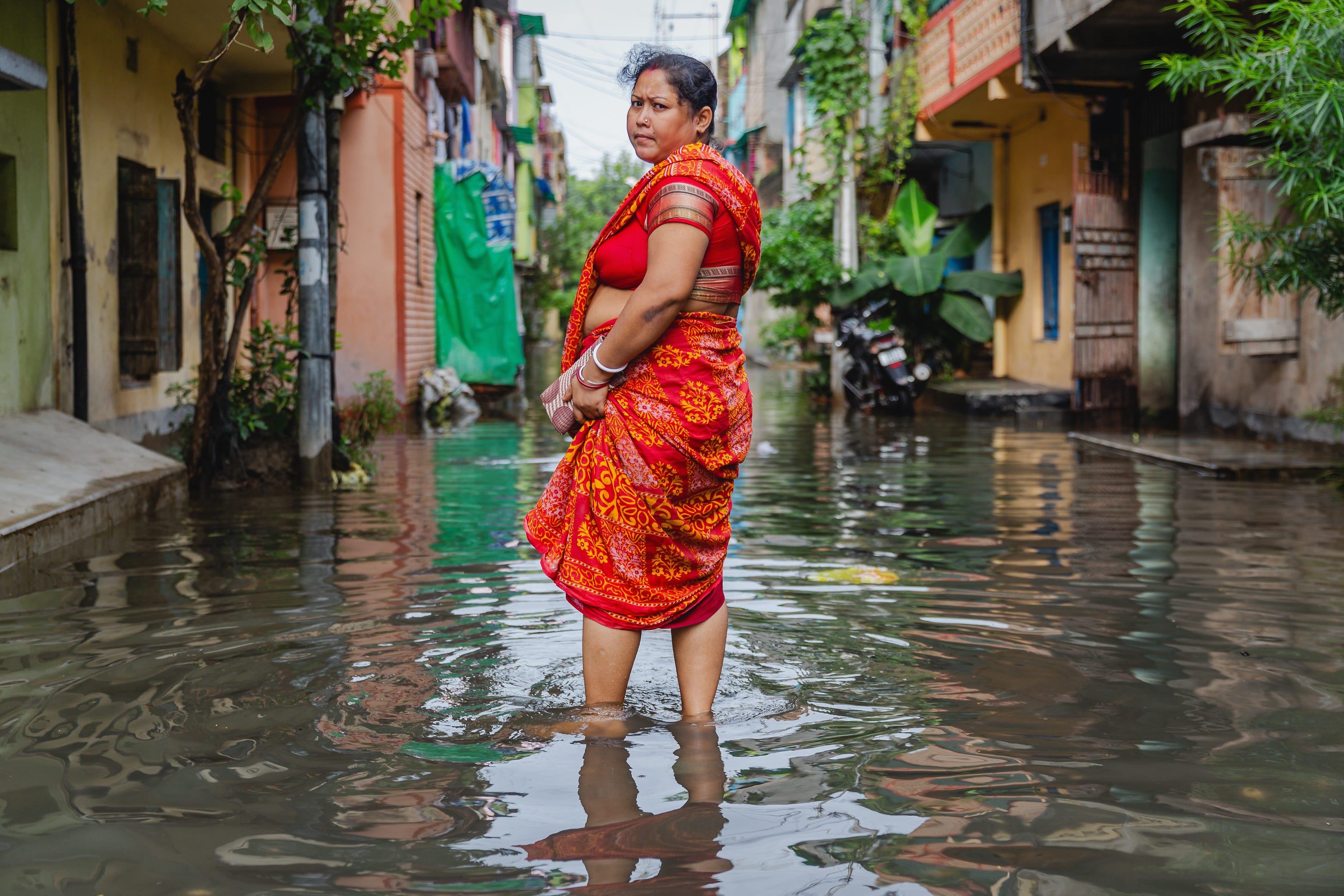
The language used to speak about climate change is often in the future tense – predictions, forecasts, thresholds, targets – but as anyone currently melting in Western Europe knows, the effects are already present, already domestic, and already an uncomfortable part of everyday life.
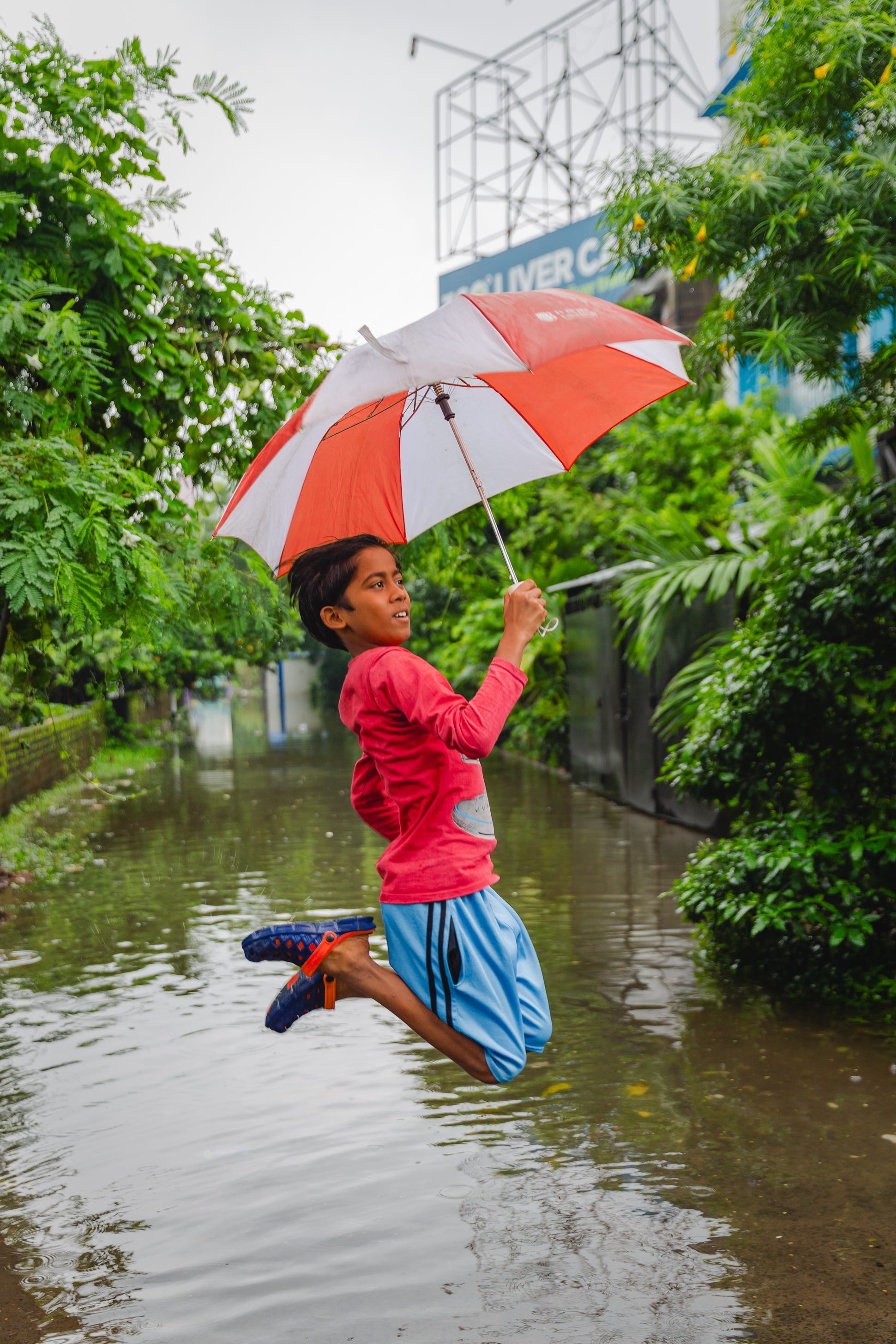
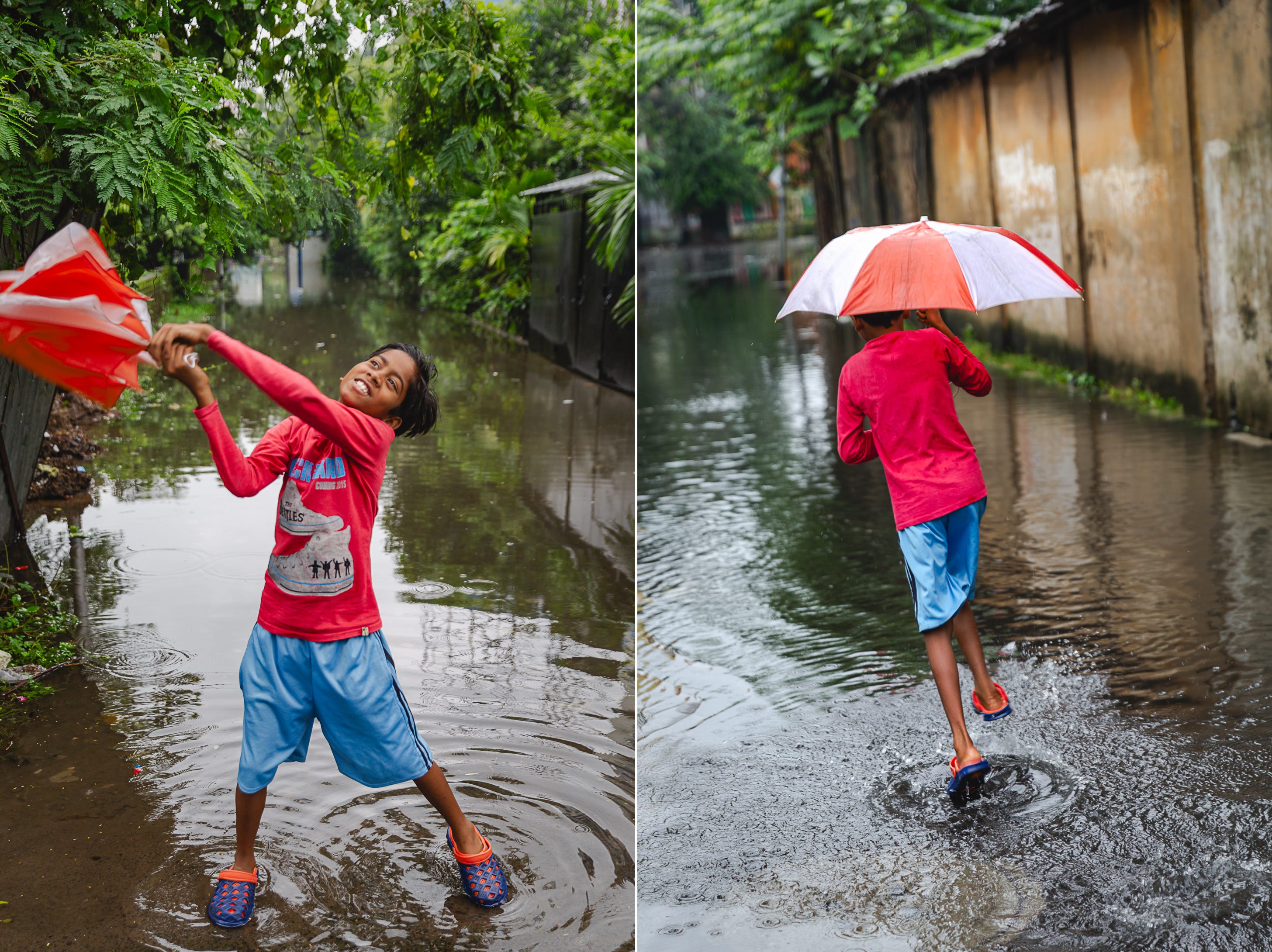
This won’t be news to residents of Kolkata, where the annual monsoon rains have been growing more intense, fuelled by the warmer air above the Bay of Bengal, increasing the chances of flash floods.
Nor will it be news to the residents of the Thai village of Ban Khun Samut Chin, who saw their once-prosperous coastal town disappear into the sea at a rate of up to 30 metres per year. The only evidence of their homes and businesses, which now lie beneath the waves, is a lonely line of telegraph poles.
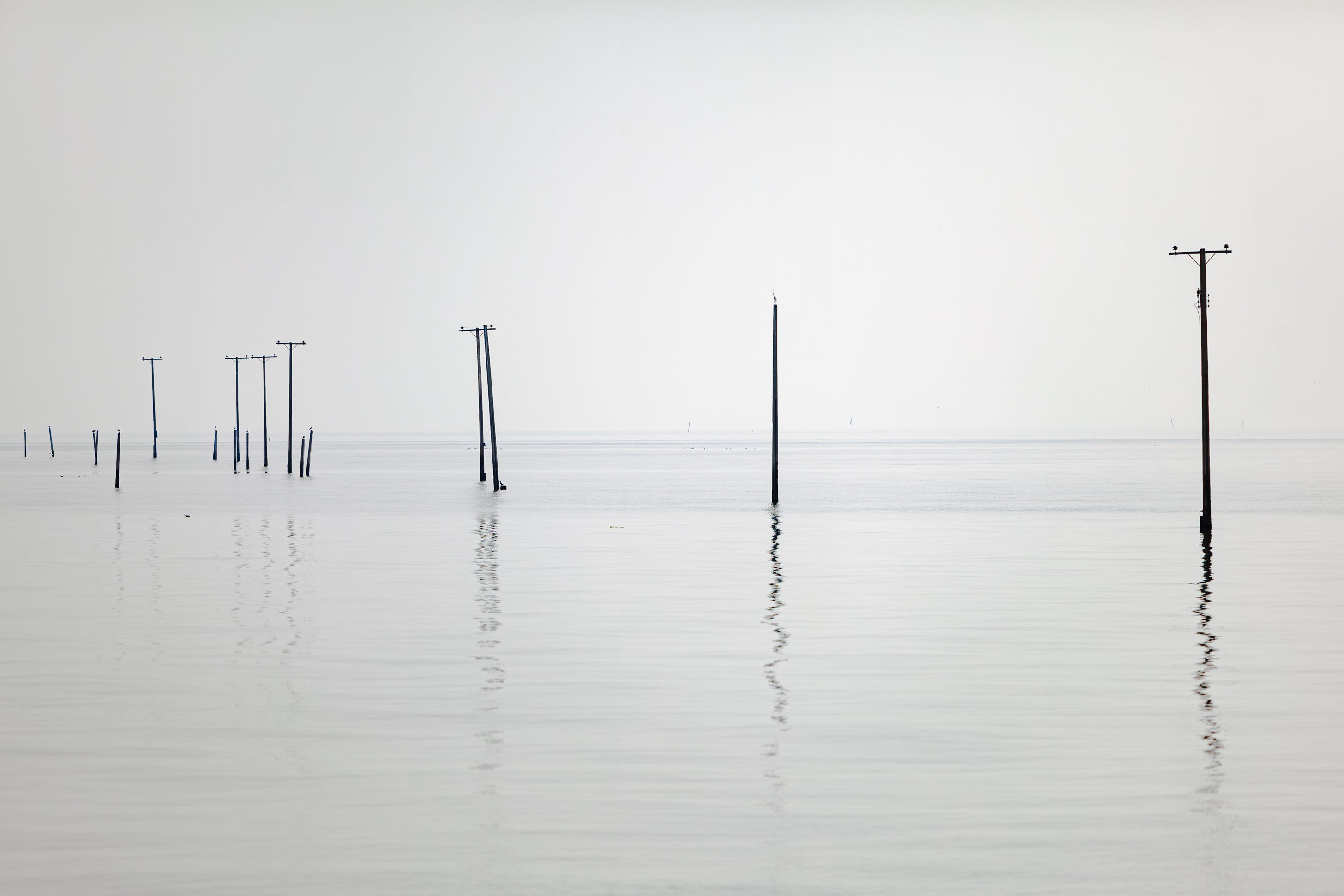
People adapt. The residents of Kolkata have, to a degree, learned to accommodate the increased flooding. Those in Ban Khun Samut Chin organised a “managed retreat”, to new homes further inland. Both responses buy time – but no more than that.
Photography, at least, is always done in the present tense. That’s precisely why projects like Gideon Mendel’s Flood & Fire – which I introduce below – are so important. The images alone can’t effect change, but they can provide evidence and impetus to bring the conversation into the here and now.

Les Rencontres de la Photographie Dummy Book Award 2026
Each year, the creator of an unpublished photographic ‘dummy’ book receives a production grant of €25,000 from the Rencontres d’Arles Photo Festival, in partnership with the LUMA Foundation.
This year’s ten finalists, selected from more than 250 submissions, were announced last week. I’ll be in Arles next month for the festival and the announcement of the winner at the prize-giving ceremony.
In upcoming newsletters, I’ll be highlighting some of the shortlisted entries. The variety of subjects is as diverse as you might imagine.
Last year, Nata Drachinskaya won the award for her book Binom, which documents the discovery of her father’s secret life as a KGB cryptographer.

Submerged Portraits by Gideon Mendel
Gideon’s book Flood & Fire combines work documenting the consequences of climate change, in particular the devastating impact of flash floods and wildfires.

“My subjects have taken the time – in a situation of great distress – to engage with the camera, looking out at us from their inundated homes and devastated environments. They are not disempowered victims in this exchange, they show agency amidst the calamity that has befallen them.”
– Gideon Mendel

“As we experience extreme weather events, driven by climate change, we also see ever-more aggressive denialism (often espoused by populist leaders); a global political system incapable of taking meaningful action; and petro-carbon corporations that are resistant to adopting the most minor measure to reduce carbon emissions.”
– Gideon Mendel

“I don’t want to portray any of the people I photograph as victims. I think it’s about approaching situations with confidence and compassion and in these kinds of situations, where people have been traumatised by their experiences, it’s very important for me that the experience of being photographed is a good one for them. The heart of good portraiture is the person you are in relation to your subjects.”
– Gideon Mendel
Submerged Portraits is one part of the Flood & Fire project, which can be seen in full on Gideon Mendel’s website.

“Being a creative person is a bit like having a dog. You have to take it for a walk every day.”
– Emily Watson – Actor, interviewed on Desert Island Discs
The Wider Angle
Thank you to Beyond the Frame readers Christine, Norman and Gillian for sharing these stories related to themes in previous newsletters.
Time is Money by Alexey Yurenev
This is such a clever idea, based on an understanding that our relative visibility in society is related to our income. Alexey asks the question, “At what point does a worker become invisible?”
“I travelled across New York City and asked people of different professions how long it takes them to earn one dollar. I then used their responses to calculate the exposure time for their respective portraits.”
– Alexey Yurenev
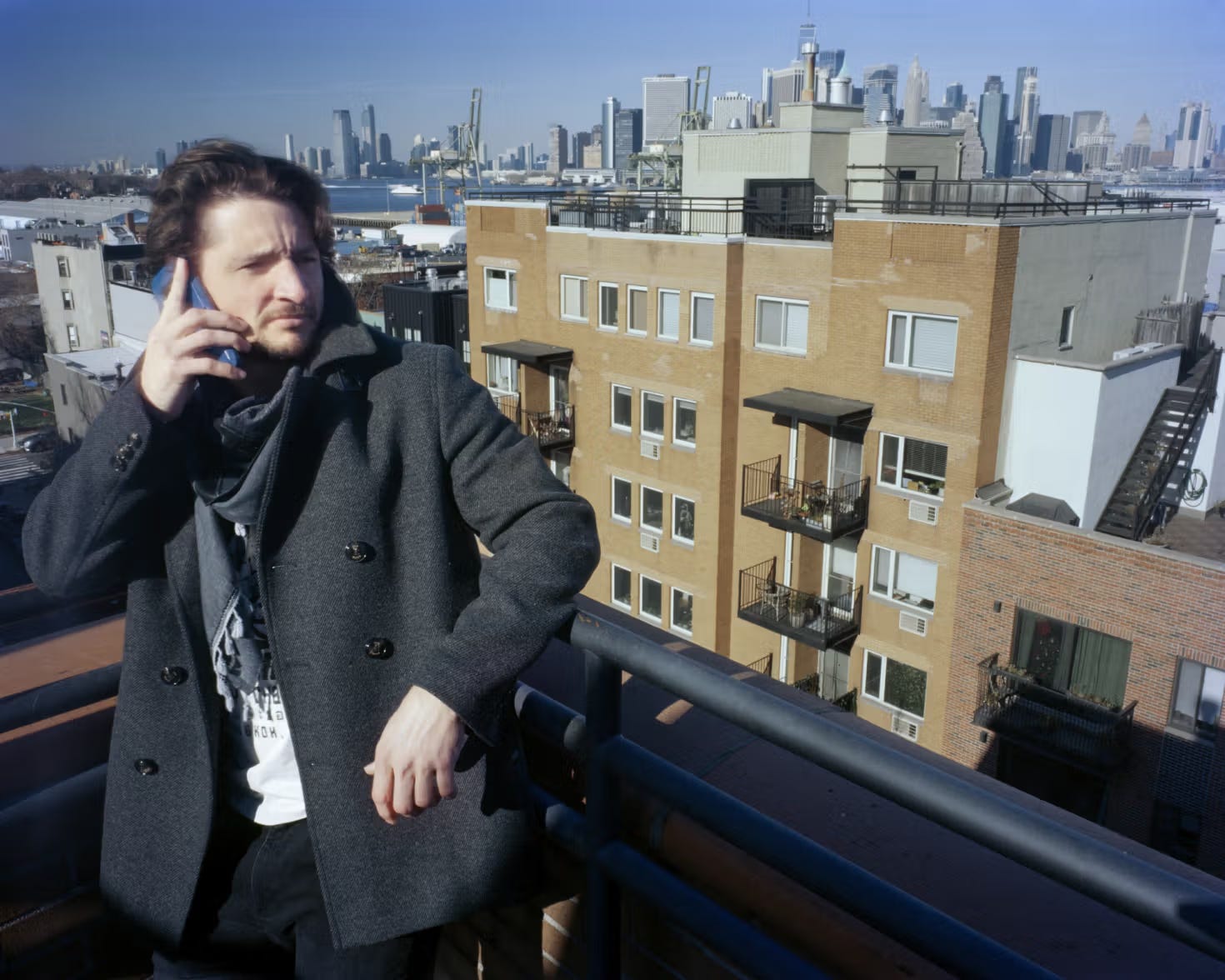
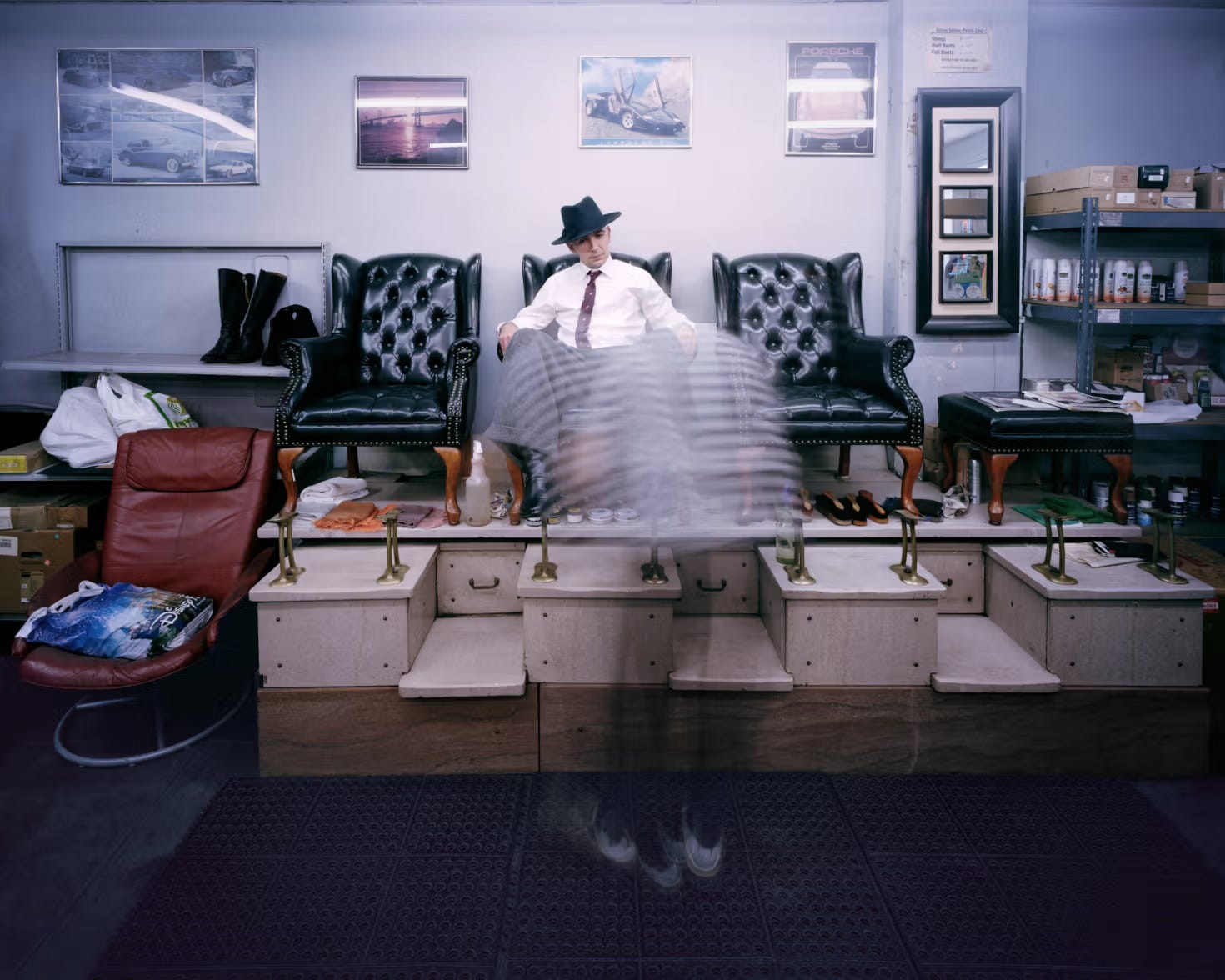
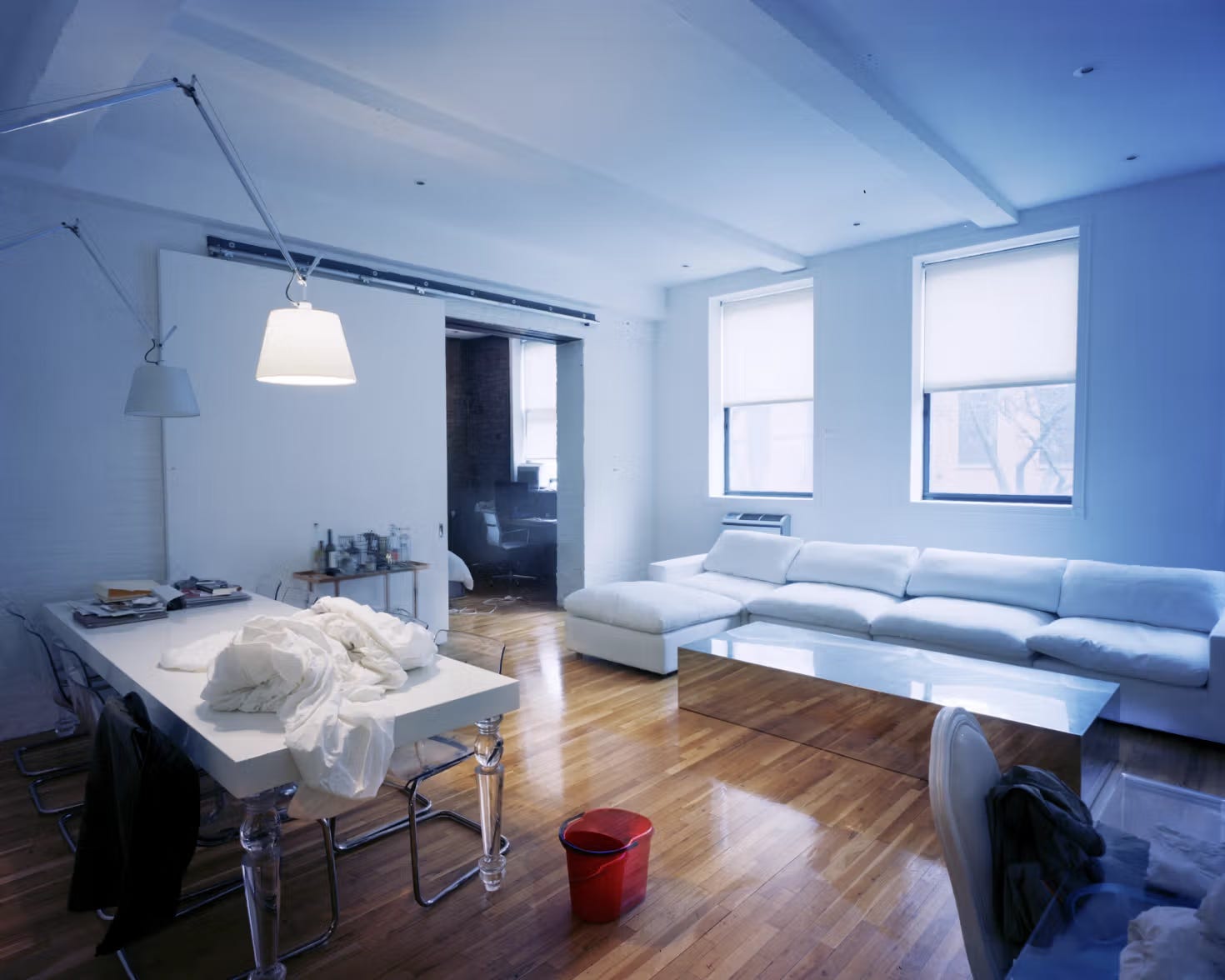
“The results make visually explicit the class delineations between individuals of different occupational statuses, and query how much money someone must earn to become visible.” – Alexey Yurenev
I wondered what exposure time a similar portrait of the world’s first trillionaire would require. The fastest commercial cameras are far too slow at just 1/8000th of a second. An exposure time of 0.0000345 seconds would be required. But without a lens capable of capturing sufficient light in that time, Elon Musk wouldn’t appear at all.
Time is Money by Alexey Yurenev
We Were Once Alive
In the 1980s, a Swedish library curator discovered 8,000 photographic glass plates in a basement. The photographs, showing portraits of residents of the rural province of Uppland, were made by self-taught photographer John Alinder between 1910 and 1932.
Often they are looking straight into the camera. As if they can see us. As if their gaze can travel the hundred years or so that lie between their time and ours. As if they were saying, “You are alive now, but we were once alive.”

Alinder lived in the same Swedish village all his life. He ran a shop – and an illicit bar – and photographed his friends and neighbours in their gardens and in the landscape around the village.

Alinder developed the glass plate photographs in a home darkroom. Prints were made by resting the plates on light-sensitive paper and allowing sunlight to expose the images, which makes the highlights glow (see the tablecloth and white window frame in the photo above.)
The plates are well over 100 years old and had lain forgotten for over 60 years, yet they’ve not been diminished by time. The clarity in those expressions allows us to look directly into the eyes of people from another time as if they had been photographed yesterday.
As I wrote in Beyond the Frame 100, and as demonstrated by John Alinder’s luminous portraits, the value of our artistic endeavours is not decided at the time of creation, it is endowed by time and by the people who might discover it in the future.
We make art in order to remember. And in that act, we build a vessel for other people’s memories.

John Alinder’s portraits are collected in a book published by Dewi Lewis and are featured in an article in the Guardian.

Joel Meyerowitz at the Huxley-Parlour Gallery
A carefully curated collection of images from Meyerowitz’s six-decade career is currently on show at the Huxley-Parlour Gallery in London. The exhibition is open until 7 July 2026.
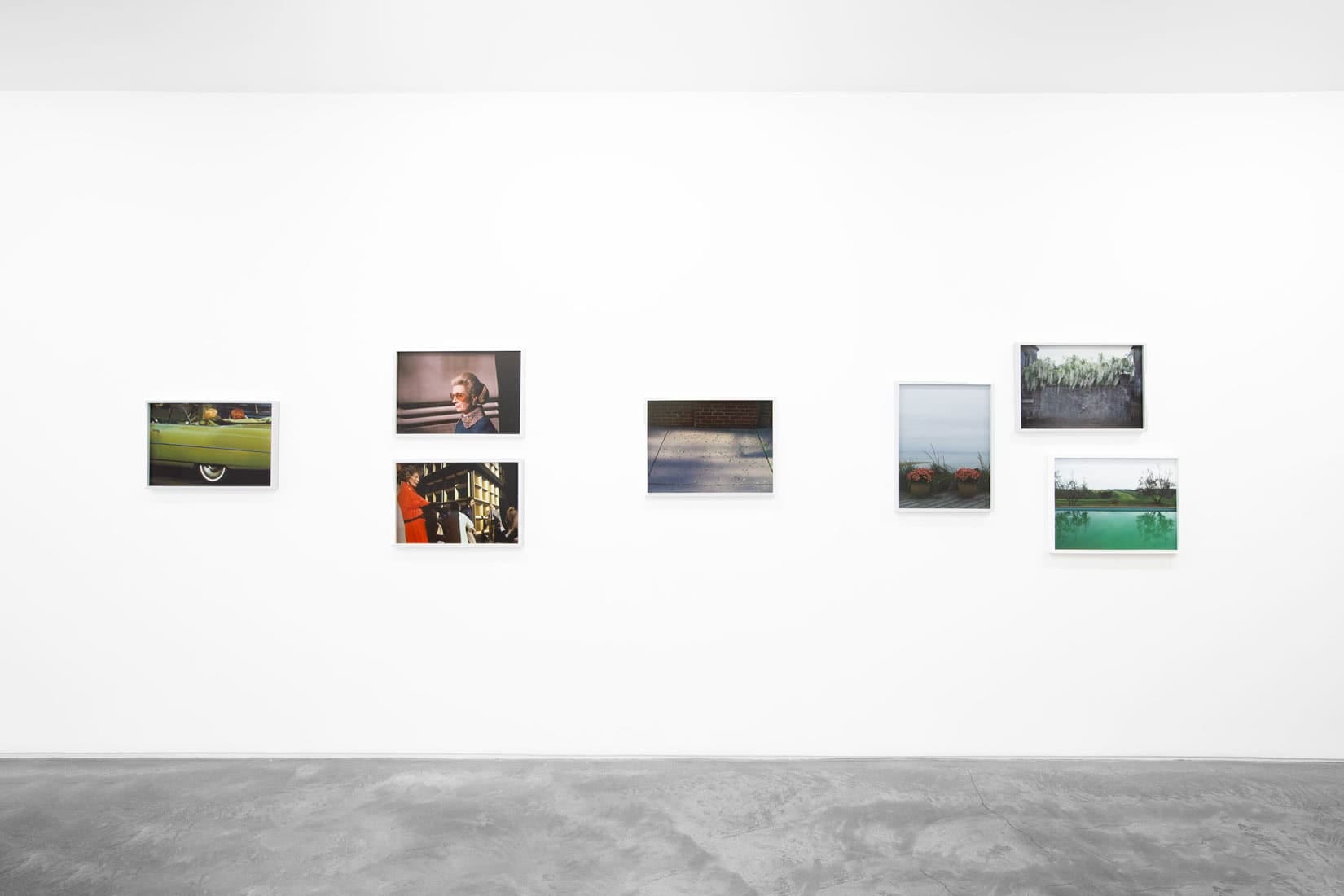
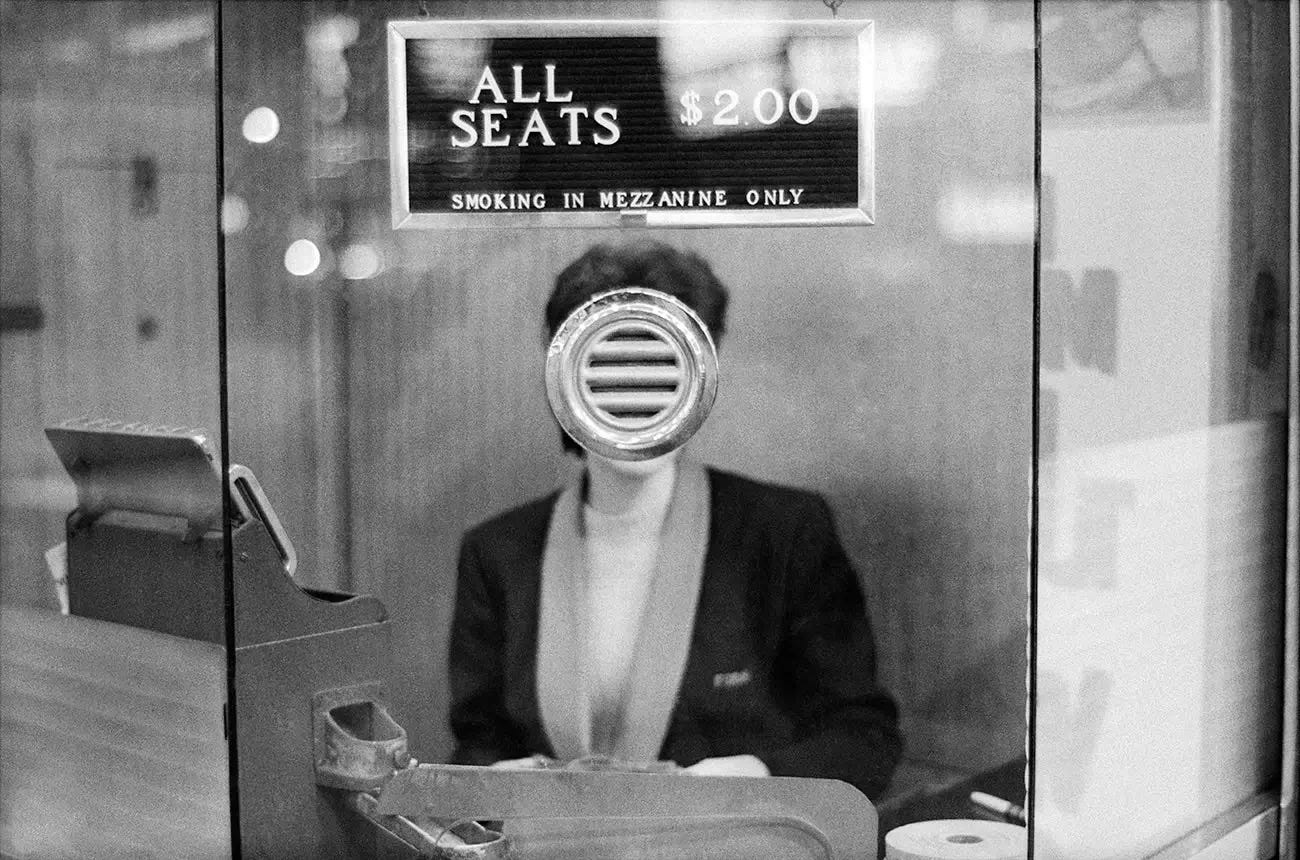
Joel Meyerowitz in conversation with Giles Huxley-Parlour. Most interesting to me is his account of how a photograph can remind him not only of the scene it records, but of who he was when he made it. Joel also, almost inevitably, speaks about the importance of Kodachrome to his work.
And finally…
Returned to me this week: two SX-70 Polaroid cameras, repaired and refurbished by my friends at MiNT in Hong Kong.
The cameras date from the early 1970s but can still produce a decent instant photo. I will make some test prints when the temperature cools down. This week has been relentlessly outside the range for Polaroid film (>28ºC).
I was interested in the technique of separating and lifting the emulsion, if only to see an image dancing around in the water.
Wherever you are and whatever you’re doing this week, I hope you’re keeping your cool.
Go well.

✤ Creative Inspiration
Lateral-thinking prompts, inspired by Brian Eno’s Oblique Strategies, designed with photographers in mind.

Read more and learn how to use my Oblique Strategies for Photographers.
Bery interestinv indeed...as usual should I say! Thanks for this particular newsletter, Gavin!
Great newsletter. You always remind me of why I love photography. The exposure time project is just so damn clever; Gideon Mendel’s work incredibly strong.