

Beyond the Frame 100/
It probably hasn’t escaped your attention that this is the 100th edition of Beyond the Frame. I published the first edition, Beyond the Frame 1/, exactly two years ago today.
Firstly, and most importantly, a heartfelt thank you to you, the readers. It’s possible that I would keep writing even if nobody was reading. I’m contrary like that. But knowing the newsletter is read in 93 countries does make it more worthwhile still.
And a special thanks to you if you’re a paid subscriber. Your support makes the newsletter possible.
I’ve written more about the 100th newsletter and shared the manifesto I wrote for myself before I began. You can find it in the Wider Angle section below.
In this 100th edition, I’m thinking about the connection between photography and memory. Photographs record moments, frame fractions of a second, we all know this. But this simple definition underestimates a photograph’s power to endure.
A photograph infuses frozen moments with a second life. A life that might outlast the photographer. A photograph has the potential to carry a memory forward to people we may never meet. This week, I’ve looked at photographs made decades ago by photographers who might never have imagined that I’d be sharing their work with you, many years after the images were made. Their photos are tiny, time-travelling pulses, still beating, still carrying a declaration from the people inside the frame: “I was here.”
A Memory in the Making
It’s late afternoon at Angkor Wat in Cambodia. The tourist coaches have long since departed, taking their sightseeing guests to lunch in the nearby town of Siem Reap. The temple settles into silence with a sigh.
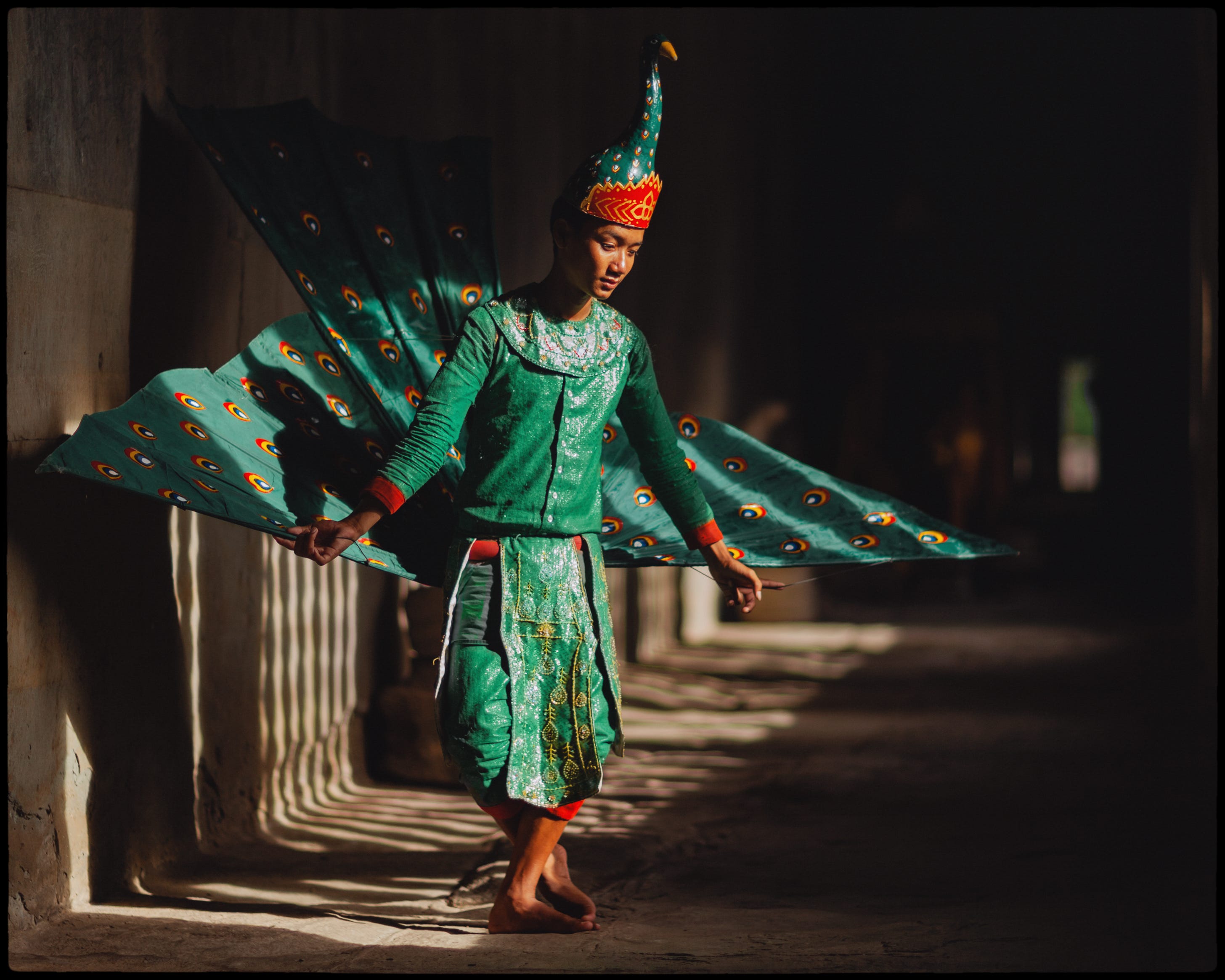
I’m standing in an open gallery at the western end of the temple, waiting for the sinking sun to shine into the cloisters. The only other people here are four Cambodian youngsters, dressed in traditional Khmer folk costumes, sitting on the ground after a morning spent posing for tourist photos. Hanuman, the leaping monkey god, has removed his mask and is eating sunflower seeds. Sitting cross-legged beside him are Sovann Maccha, the golden mermaid, and Yeak, a masked demon. Still standing, so as to avoid creasing his emerald feather tail, is Kngaok, the peacock.
I ask if they’ve had a profitable morning. With wide smiles, they confirm their efforts have been well-rewarded. I ask if they’d be willing to pose for more photos. Hanuman throws a last handful of seeds into his mouth, dons his monkey mask and leaps to his feet.
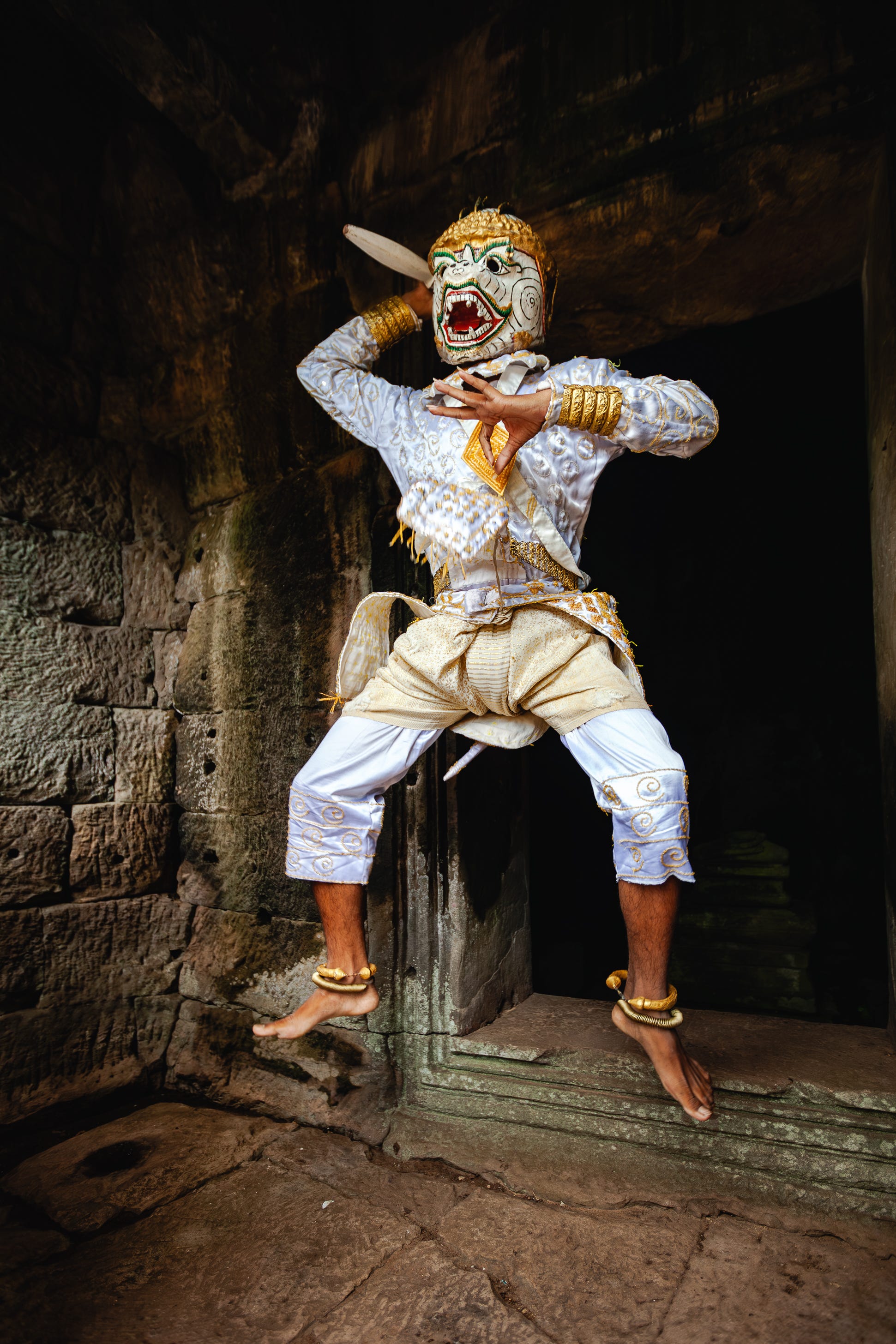
The youngsters are willing collaborators. We use the ancient temple architecture as a backdrop. Unlit corners offer contrast against Hanuman’s white costume. The sun is painting stripes of light onto the walls of a long corridor where the peacock is looking wistfully towards the sky.
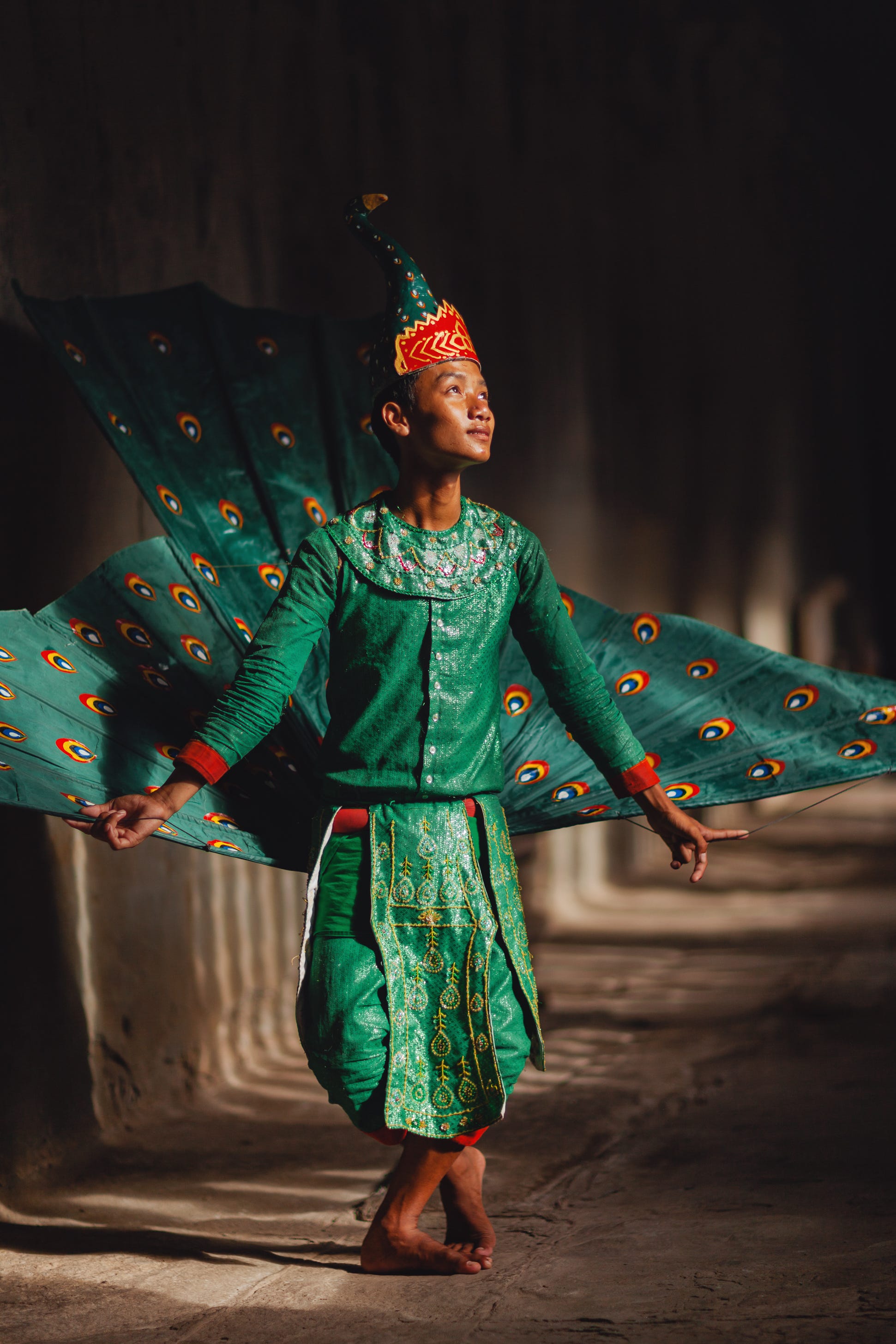
They seem pleased to be leaping and dancing for the camera. It’s a change from their usual routine. Mostly they stand still whilst a queue of tourists take turns to be photographed beside them.
They tease each other as we choreograph each pose. Pretty soon they grasp what we’re doing and whilst one of them is being photographed, the others run off in search of other atmospheric locations, their laughter echoes back to me around the temple walls.
They point out etchings that depict Apsara dancers, from the same folklore as their own masked characters. They try my cameras on each other, mimicking and exaggerating my mannerisms as they direct one another towards the fading pools of light.
This is not how I’d planned to spend the afternoon. My carefully curated shot list of photos destined for a waiting picture editor remains unfulfilled. I will have to return to Angkor Wat before dawn the following day. It’s not a hardship.
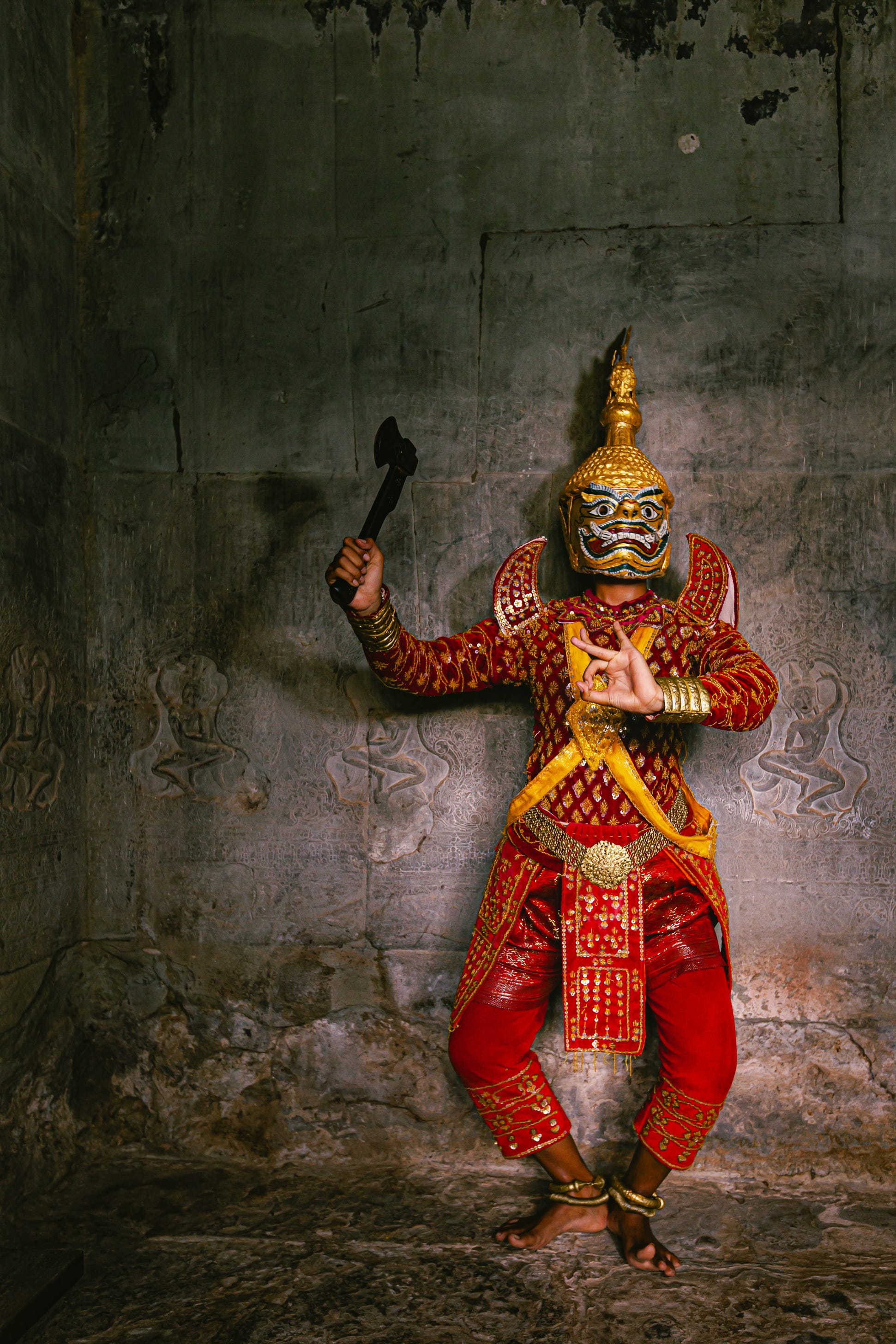
Serendipity, the patient photographer’s loyal ally, has delivered a memory that surpasses my shot list. The images we made together can’t hold the sound of their laughter or the texture of the temple walls or the way the sunlight moved across the courtyards, but the pictures are a key that unlocks my memory of that afternoon.
I made the photos because that’s what I do. Perhaps that’s sufficient. But if you really pushed me for more, I’d tell you that I make photos because places like this, and people like these, are extraordinary. I make the photos in order to remember. The photos say, “I was here and I saw this. Isn’t it amazing?” Perhaps one day, long after I’ve gone, somebody will rediscover the pictures and see them anew, framed within the context of their own lives. I like to think so.
The Melancholy Nostalgia of Remembered Childhood
In the summer of 2024, composer Ludovico Einaudi rented a villa on the island of Elba. The property had been owned by a family in the 1950s. The mother painted a new picture every year, showing views from the house. Einaudi has described his reaction to the paintings.
“I started to imagine the family, their life, how they looked, and I began to connect this with my own summers… a time when my life was deeply connected with all my senses, where the days felt like months and the months like years, and I was free from morning to night, and every day was a new discovery.”
Einaudi’s remembered summers arrived as a muse, drawing him towards new musical compositions. The results are collected in The Summer Portraits, an album of melancholy nostalgia for his sun-drenched, sepia-toned memories of childhood.
“The older I get, the more my emotions are connected to those summers. I have been watching old footage… I’ve met up with friends from so long ago, sharing photos and stories.”
The Einaudi family’s home footage, showing the composer, now 70, as a seven-year-old boy, was used for the video of Rose Bay, the album’s opening track.
You might also enjoy The Summer Portraits Live album, recorded at the Royal Albert Hall in London. I think the live album is even better than the original studio recording.
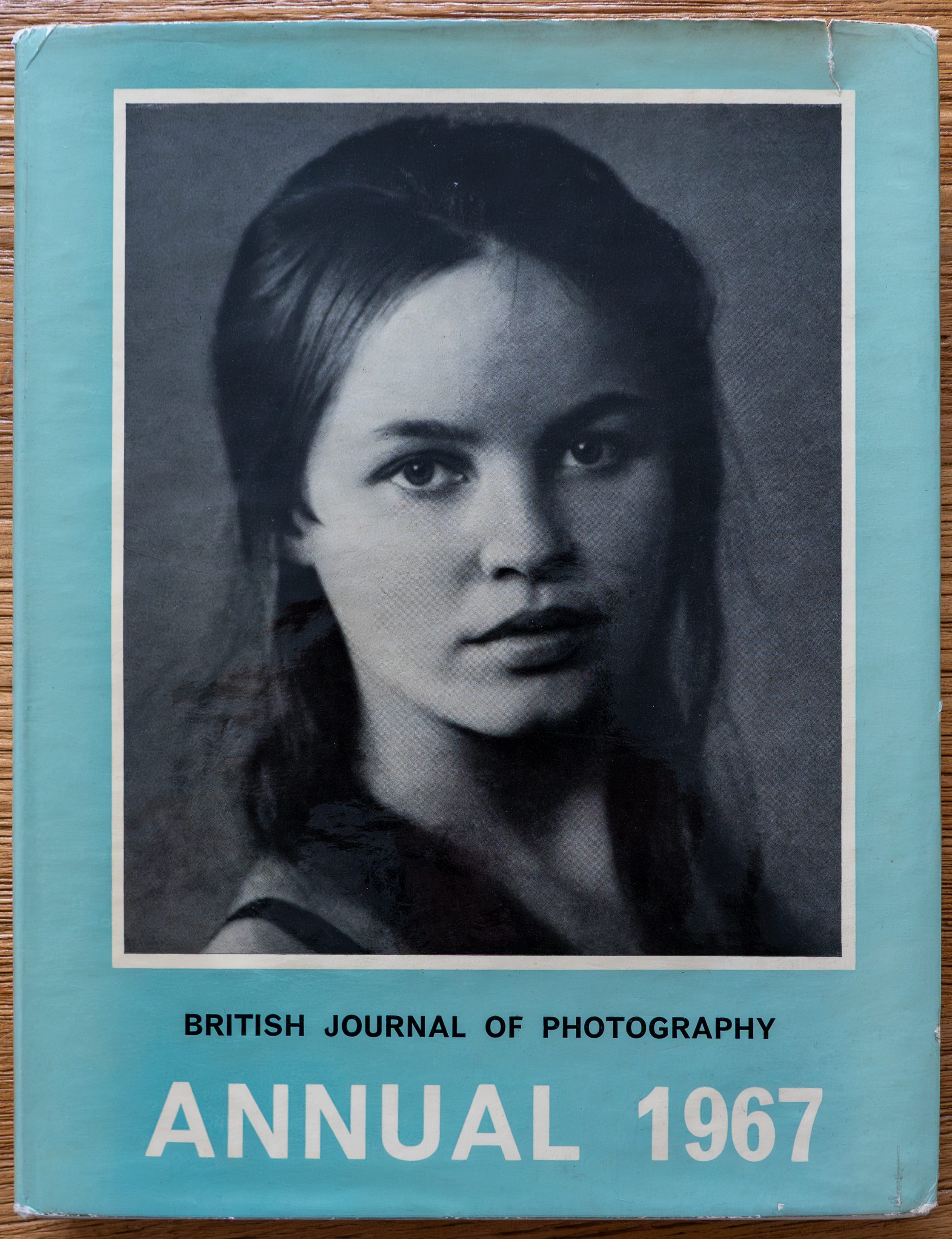
British Journal of Photography Annual 1967
It’s Saturday morning. I’m sitting at our dining table, listening to Ludovico Einaudi’s Summer Portraits, reading the most recent edition of the world’s oldest photography title, the British Journal of Photography.
Mrs G is grinning as she walks into the room.
“Would you like your birthday present?”
My birthday is weeks away, but she’s as bad at holding on to a surprise as I am at resisting one.
“Of course!”
Somehow, she has managed to track down a 1967 edition of the BJP annual. I am delighted.
(Yes, 1967 was an excellent year. To misquote Oliver Sacks, when I was 11, I could say ‘I am sodium’ – Element 11, and now, at 59, I am praseodymium – Element 59. Praseodymium is a rare-earth metal. It is soft and silvery, valued for its magnetic properties. The parallels are uncanny. Praseodymium is also unstable and develops a green oxide coating when exposed to air – but I’m rejecting those characteristics.)
I make a coffee, open the annual, and spend the next two hours travelling back in time, immersed in the stories and images that defined 1967. Those were two hours well spent.
Photo Essays
The BJP Annual includes a feature commemorating the life and work of Dorothea Lange, showing not only her most famous “Migrant Mother” picture but also several photos that I’ve not seen before.
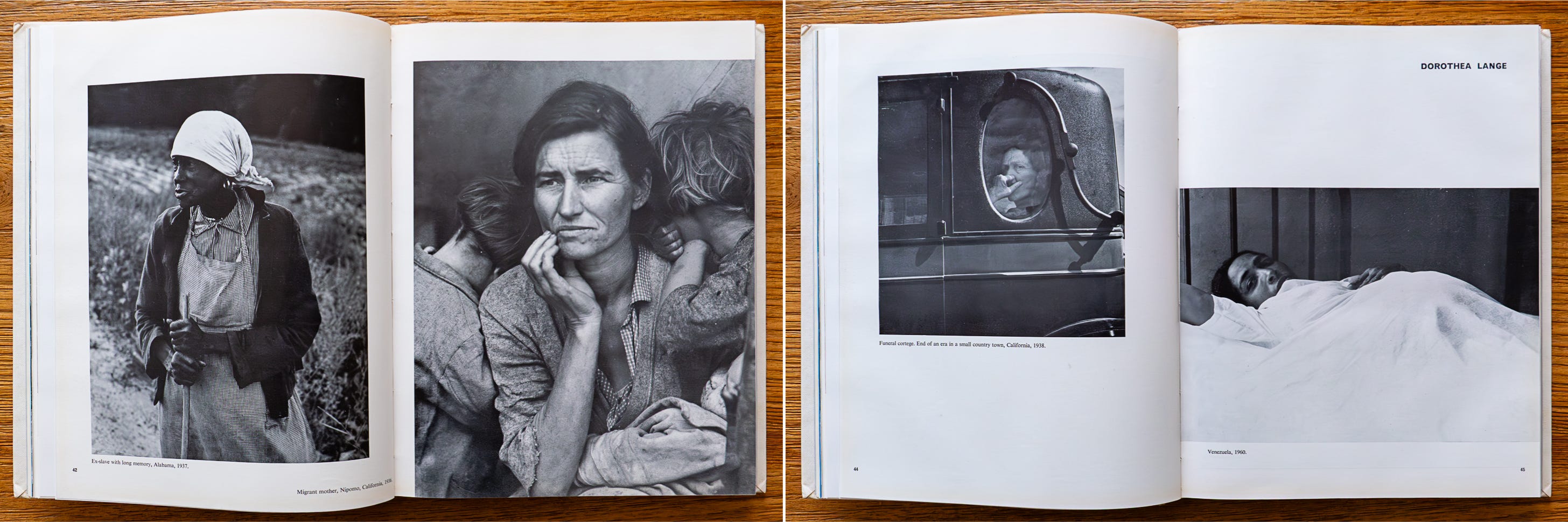
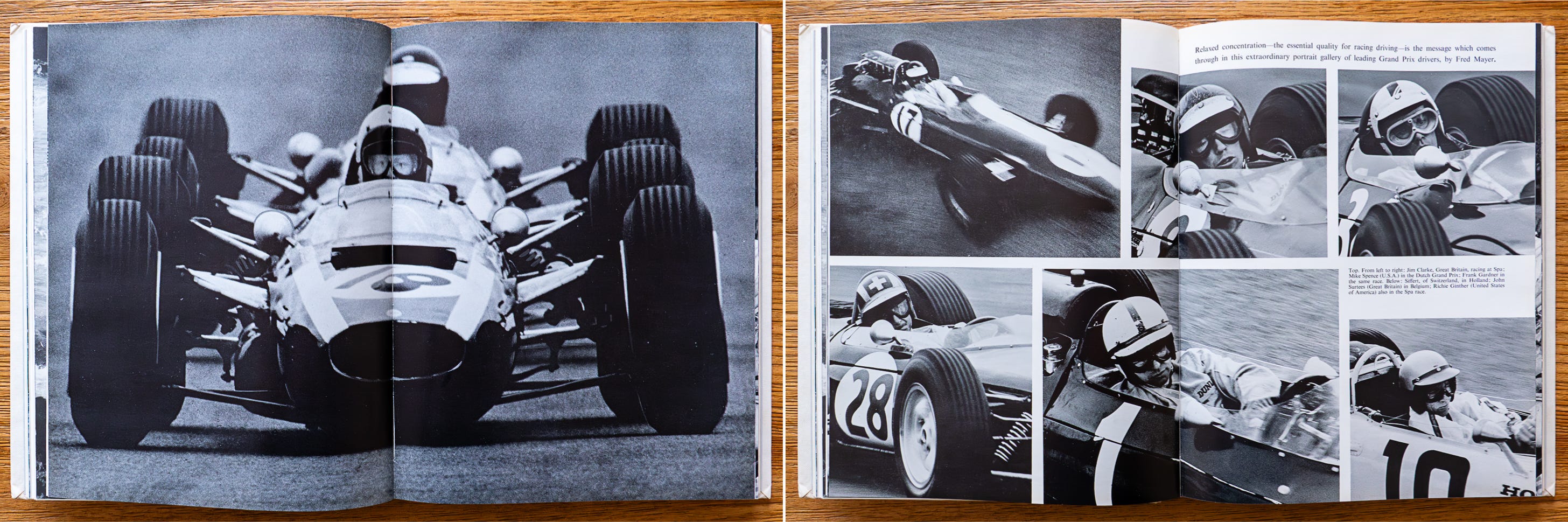
A dozen pages are devoted to pictures of Grand Prix made by Swiss photographer Fred Mayer. The introductory text describes the 1,000mm telephoto lens Mayer used to photograph the action at Silverstone.
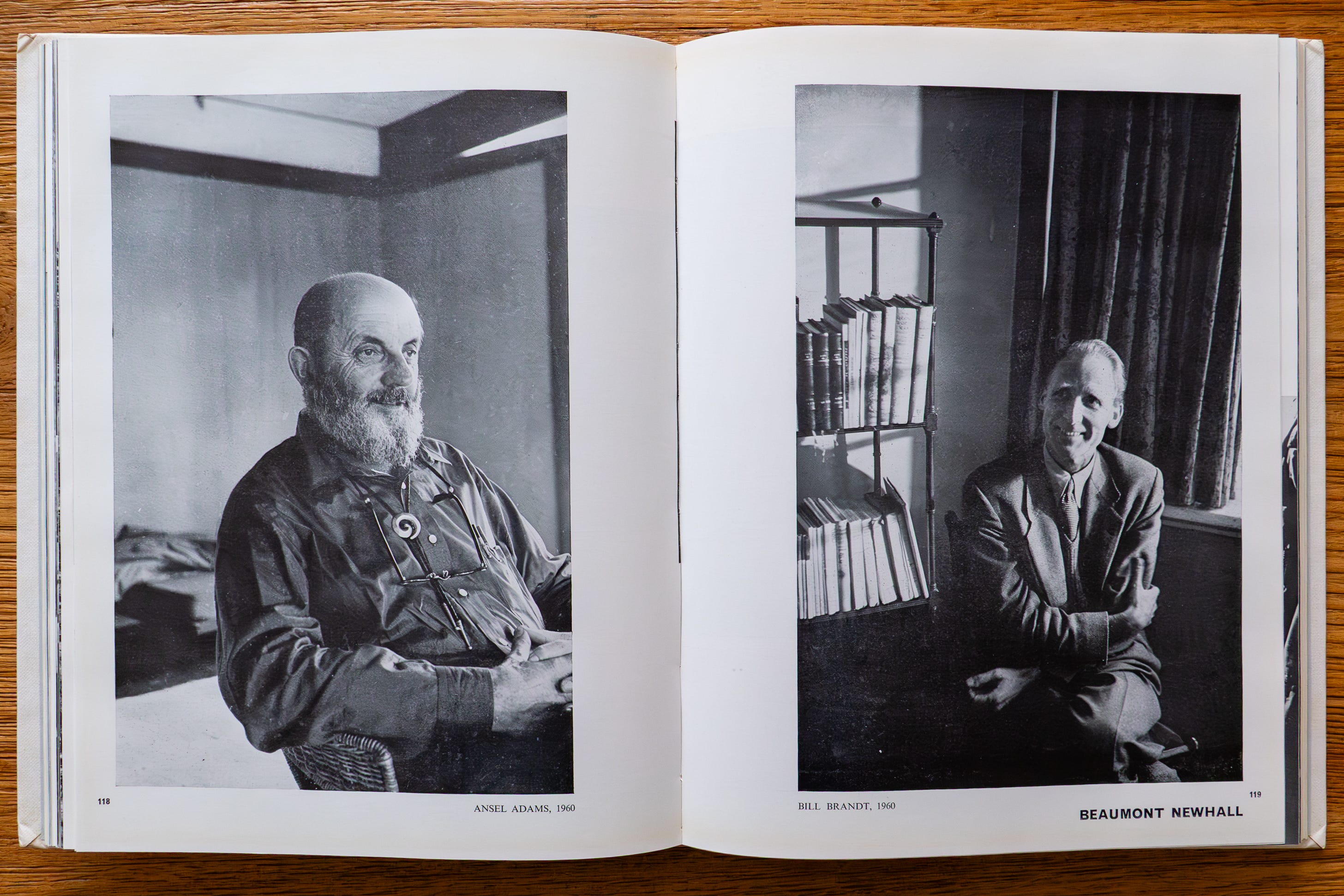
I was intrigued by a collection of portraits of famous photographers made by Beaumont Newhall, director of the George Eastman Museum in Rochester, New York. Like me, you might be familiar with photos and video footage of Henri Cartier-Bresson in his later years. I would not have recognised him, aged 38 in this portrait, without the caption.
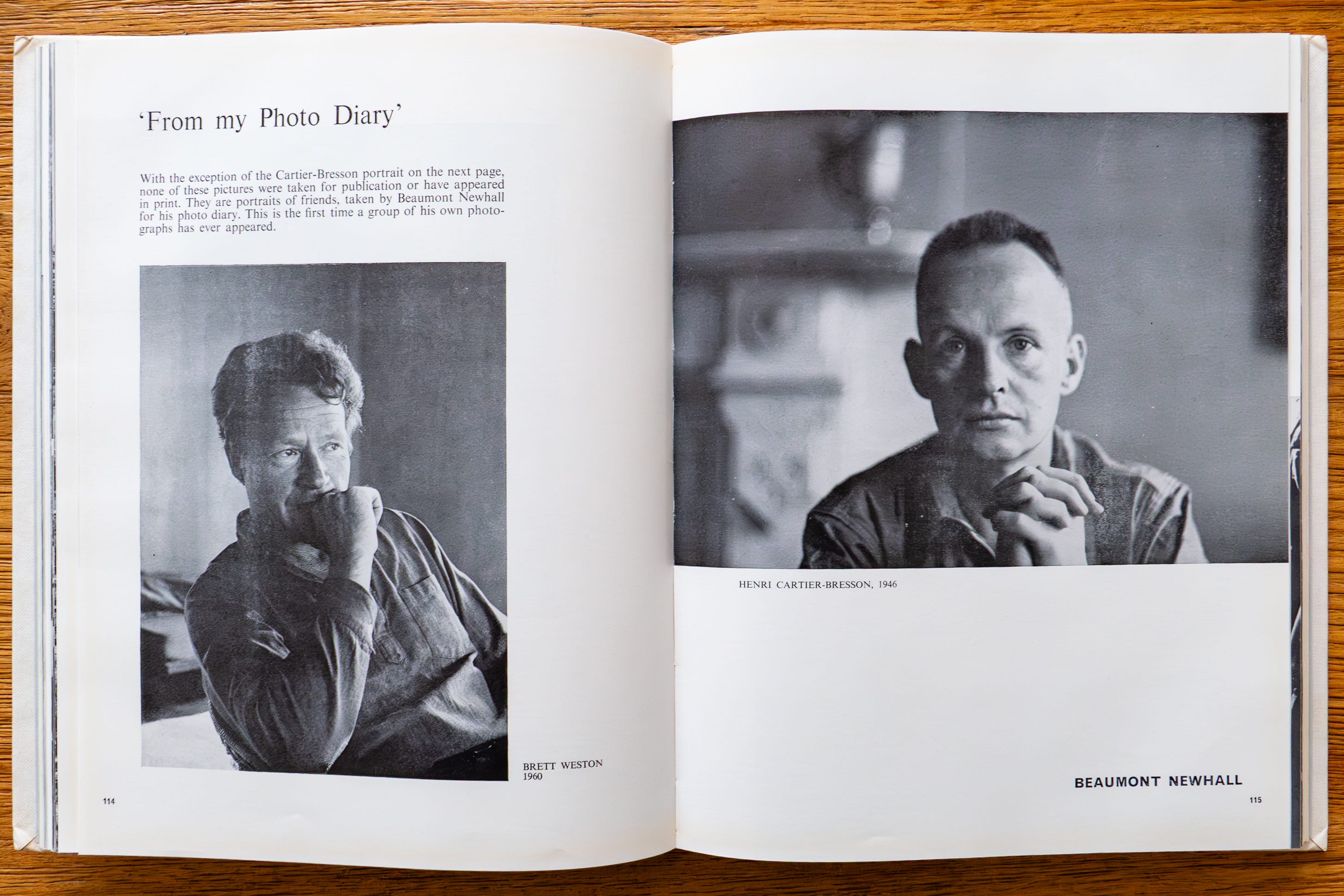
There are also portraits of Ansel Adams and Bill Brandt, smiling at us from across the years.
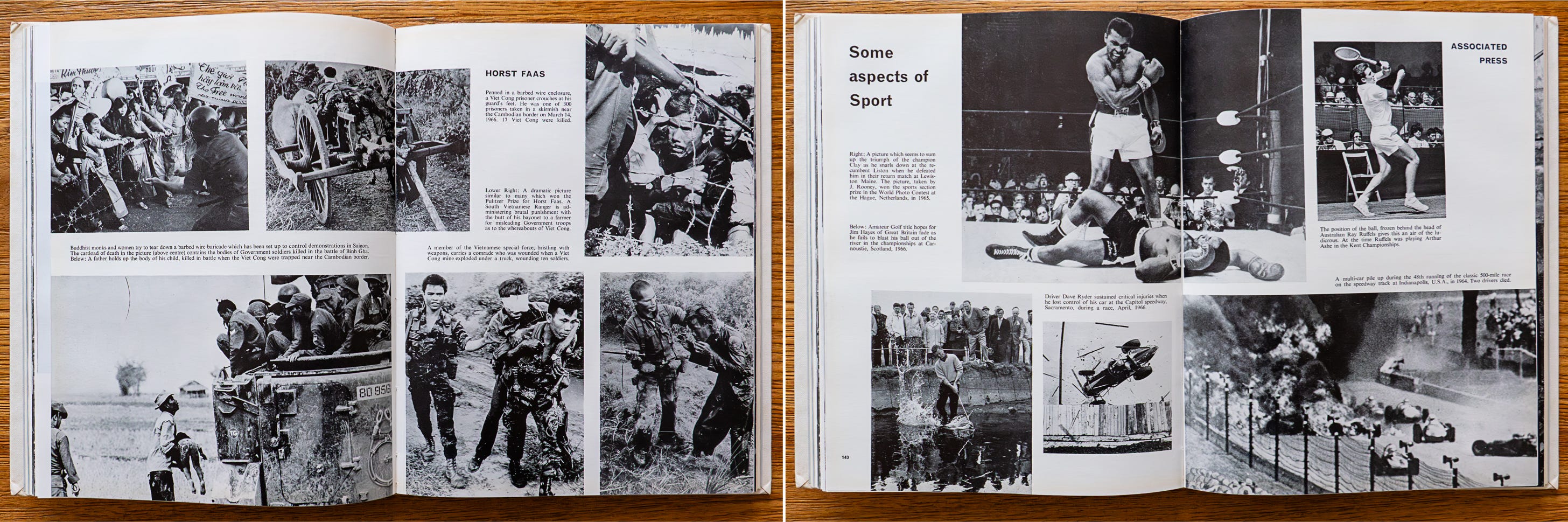
There’s a collection of Horst Faas’s photographs from the Vietnam War. Faas was Photo Editor for Associated Press in Saigon when Nick Ut submitted his famous Terror of War photograph. I’ve written about Nick Ut’s photo – often referred to as The Napalm Girl – in Beyond the Frame 54/. It was Faas’s decision to place Nick’s photo on the wire service, ensuring that it was published around the world – an act that arguably hardened anti-war sentiment in the United States.
Another section shows sporting photographs, including one that would go on to become one of the defining images of Muhammad Ali’s career. Made by photographer John Rooney, the picture shows Ali standing over Sonny Liston. The image won the World Press Photo Sports category in 1965.
Looking through the BJP Annual, with Einaudi’s hypnotic piano chords playing in the background, led me into a reverie. Who are the people in these pictures? What happened to them after the photo was made? What were their lives like? How might they have felt, knowing that somebody would still be looking at their image in another century – another millennium? I was not even born when these pictures were made.
I wonder about the mother and child photographed in a New Orleans slum. I wonder about their lives beyond the cracked glass. I wonder about the fate of the homeless man. The caption reads, “He seemed more than merely a subject for photography. He seemed, instead, to make a wordless demand for the observer to attempt to grasp the meaning of a broken life.” Sixty years on and I am the observer. The power of his wordless demand has not been diminished by the intervening years.
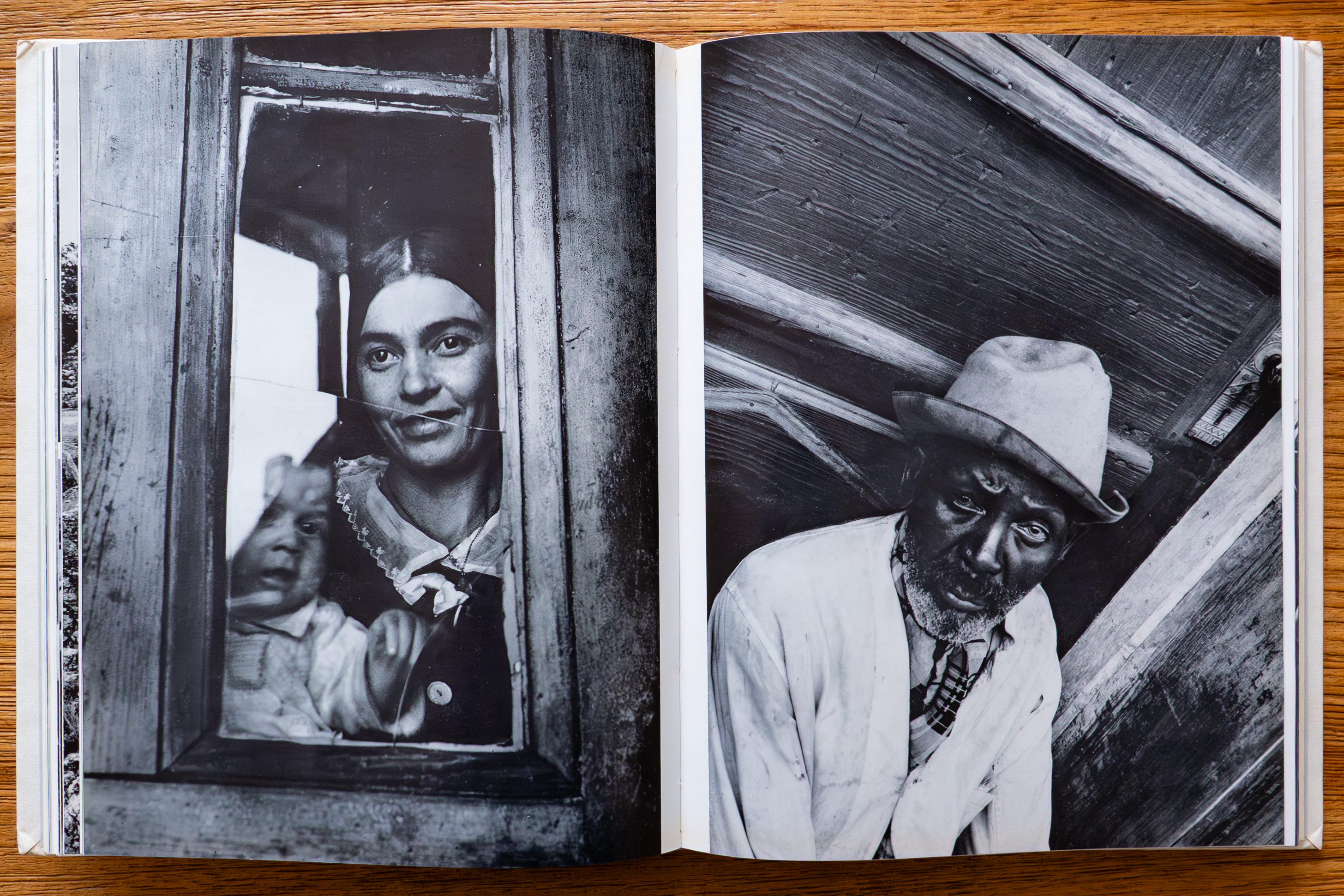
The people inside the frames are probably gone but the photographs carried them all the way to my dining table on a sunny Saturday morning decades later.
In the very first edition of Beyond the Frame, I posed a question: Why do we make art and how do we decide what value to attach to artistic endeavours?
The simple response I gave then was offered by another musician, Tracey Thorn.
“I suppose the answer is the same as it ever was: that some of us simply feel compelled. Which has always been the only good reason to make art.”
After 100 editions of Beyond the Frame, I’m edging closer to an evolution of Tracey’s definition.
We make art in order to remember. And in that act, we build a vessel for other people’s memories.
Paintings on a villa wall in Elba were made in order to cement family memories. Those same paintings sparked Ludovico Einaudi’s childhood reflections, which flowered into musical compositions that make me nostalgic for my own childhood summers. Fred Mayer’s Grand Prix photos have me reminiscing about days with friends at Silverstone and Goodwood. Newhall’s portraits of photographers prompt me to wonder what somebody might think of my own portrait decades after I’ve gone.
The value of our artistic endeavours isn’t decided today, it’s endowed by time and by the people who might discover it inside an unexpected birthday gift in 60 years.
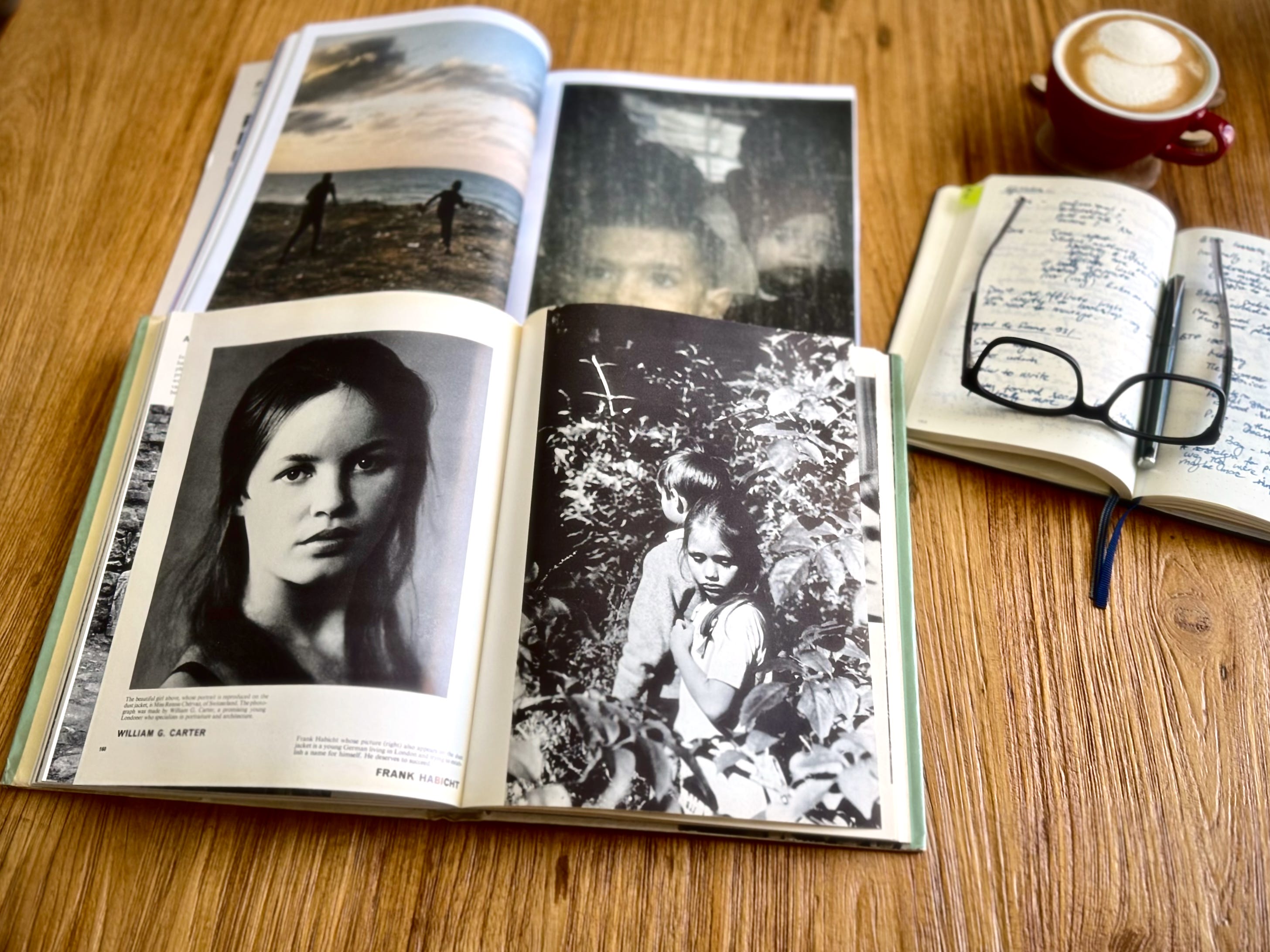
The BJP annual’s cover photo also appears inside. The caption reads, “The beautiful girl above is Miss Rennie Chèrvaz of Switzerland. The photograph was made by William G. Carter, a promising young Londoner who specialises in portraiture and architecture.”
It’s a long shot, I know, but if you happen to know any members of the Chèrvaz family in Switzerland or William Carter in London, please let me know. Finding the woman on the cover of the 1967 annual would be a marvellous story.
“My photography has always been about trying to stave off loss: of people, places, experience, memory. Nowadays it’s also my form of safe sex. It’s a way for me to show people the admiration and love I feel for them.”
– Nan Goldin
The Wider Angle
Beyond the Frame has evolved over 100 editions. I’ve written 210,000 words, shared over 1,000 photos and featured 121 photographers from 30 nations.
When I published the first edition, I wasn’t entirely sure what direction the newsletter would take. I knew that I wanted to write about things that move me. Often, that’s photography, but sometimes it’s music or a book or an episode of a podcast. The defining factor is that if something means enough for me to write about it, the chances are it will mean enough for at least one other person to read.
I’m not a writer. That much will be clear by now. I’m a photographer, pure and simple. But I do love the process of learning about the photographers who share my passion. I’ve learned a great deal writing this newsletter. And that is part of the reward.
A Manifesto
Two years ago, I wrote a short manifesto for the newsletter.
The work is the point
The newsletter exists because curiosity needs an outlet and discipline needs a deadline.Don’t measure the statistics
‘Likes’ and comment counts measure Substack’s priorities, not mine. My measures are different: Did I learn something? Did I go somewhere new? Did I see something I would otherwise have missed?Discovery is the engine
Every edition is a reason to look further. To find the photographer working quietly at the edges of recognition. To understand the project that deserves more attention. To follow a thread of curiosity wherever it leads.Depth over reach
Write for the person willing to slow down.Photography illuminates the human condition
A single image, properly attended to, can make visible what words struggle to reach – grief, dignity, resilience, joy, the particular texture of a life lived.Be selective
Writing about what genuinely interests me is not a limitation. It is the only approach worth taking.
Subscriber benefits
I began Beyond the Frame with all of Substack’s monetisation devices turned on by default. Paid editions, paywalls, Leader Boards for recommendations… To the best of my knowledge, all of those features are now turned off.
Beyond the Frame is free to read and nothing lives behind a paywall. It’s arguably not the most profitable approach, but I sleep more soundly with that arrangement.
Having said that, readers who take out a paid subscription provide the foundation for the newsletter. Even though I enjoy the process of researching, writing and editing, I can only do those things consistently with the time that subscriptions provide.
If you are in a position to take out a subscription, there are benefits that I hope will give you something extra in return.
Paid subscribers receive a 25% discount code for products on my website – e.g. Kodachrome presets – plus entry to competitions. Founding members receive 100% discount on products plus a six-month subscription to the Darkroom Rumour, a handpicked collection of photography documentaries.
Subscriptions are appreciated but, honestly, I know what it’s like to accumulate subscriptions to this service and that platform. They all add up. So I’m just as grateful if you find time to leave a comment or click the Share button.
The previous paragraph will not meet with the approval of my accountant or my editor. I’m repeatedly told to include a CTA (Call to Action) in my newsletter, to include questions to prompt “engagement” but I tried that and I’m still washing the taste out of my mouth. We’re all grown ups so I figure we can skip all the smoke and mirrors malarkey.
This is the deal: I’ll keep writing for as long as it’s enjoyable and I hope you’ll continue reading on the same basis. Here’s to the next 100 editions.
And finally…
All the photo essays in the 1967 BJP annual are black and white. In 1967, black and white photographs were considered appropriate for “serious” photography. Colour photography was just a gimmick suitable only for advertising.
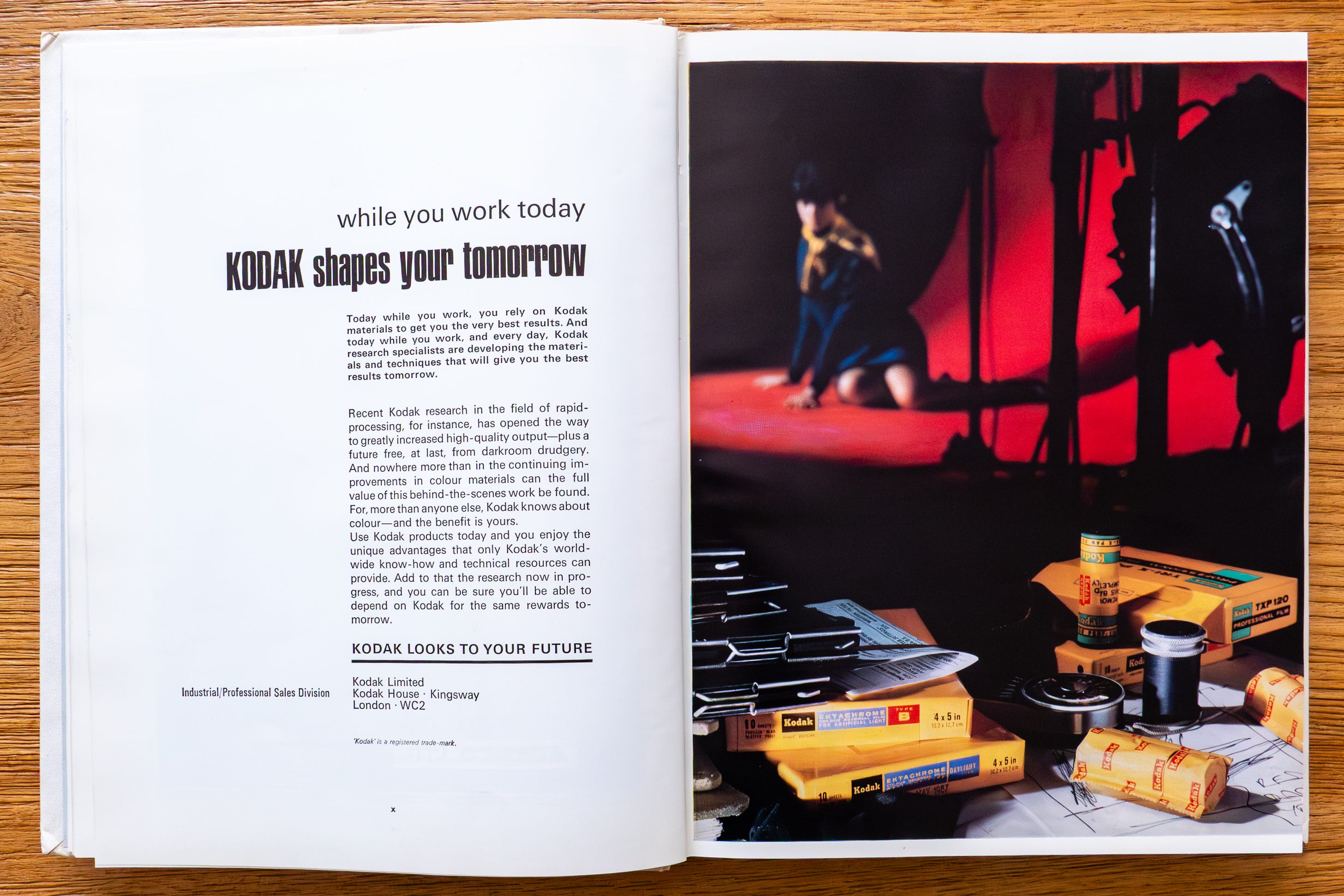
That was before the colour revolution led by photographers such as Joel Meyerowitz, William Albert Allard, Sam Abell and Saul Leiter.
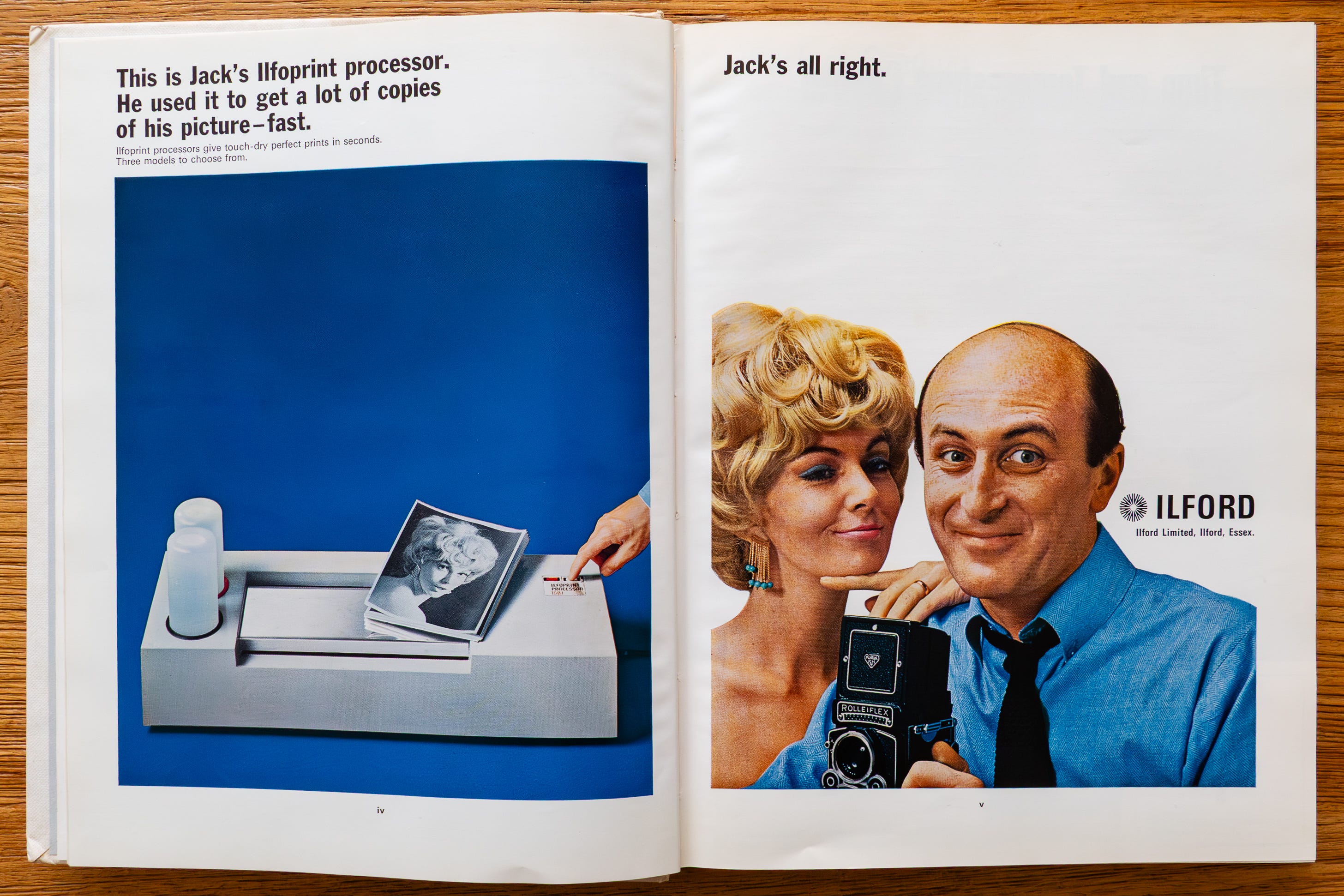
But back in the 1960s, the only colour photographs you’d find in a serious journal were the adverts. Looking at them now, 60 years later, they have become fascinating in their own right.
I wonder if big hair and blue eye shadow will ever come back into fashion. It really was quite a look. I was also pleased to read that “Jack’s all right.”
I hope this reaches you on a memorable day. Whether you’re making photos, listening to music, or enjoying a quiet reverie, I hope you are doing so with your usual panache.
Go well.

✤ Creative Inspiration
Lateral-thinking prompts, inspired by Brian Eno’s Oblique Strategies, designed with photographers in mind.

Read more and learn how to use my Oblique Strategies for Photographers.

Congratulations on 100 editions. The latest one is superb. You clearly are a writer! Thanks for all the hard work you put into each edition. I am looking forward to the next 100!
I join Kamolmas (yes, I know) in congratulating you on your 100th. I keep promising myself to go back to #1 and catch up with everything in between, but my life is full of good intentions...
When I saw the title of the 100th edition, I thought FOR SURE it was going to visit the link I post below. I keep that link on my Speed Dial link on the browser because I don't EVER want to be parted from it. It arouses the same kind of trance-like rumination you mentioned in the beginning of this issue. It's called "We Were Once Alive". A phrase I may use for my grave marker...
https://www.theguardian.com/artanddesign/gallery/2021/aug/04/we-were-once-alive-100-year-old-portraits-from-rural-sweden-in-pictures-john-alinder